Authentic Koto Era O-Tanto for Sale - Sukesada | Tozando
A new, pre-authenticated long dagger with an inscribed signature and a dated inscription has arrived.
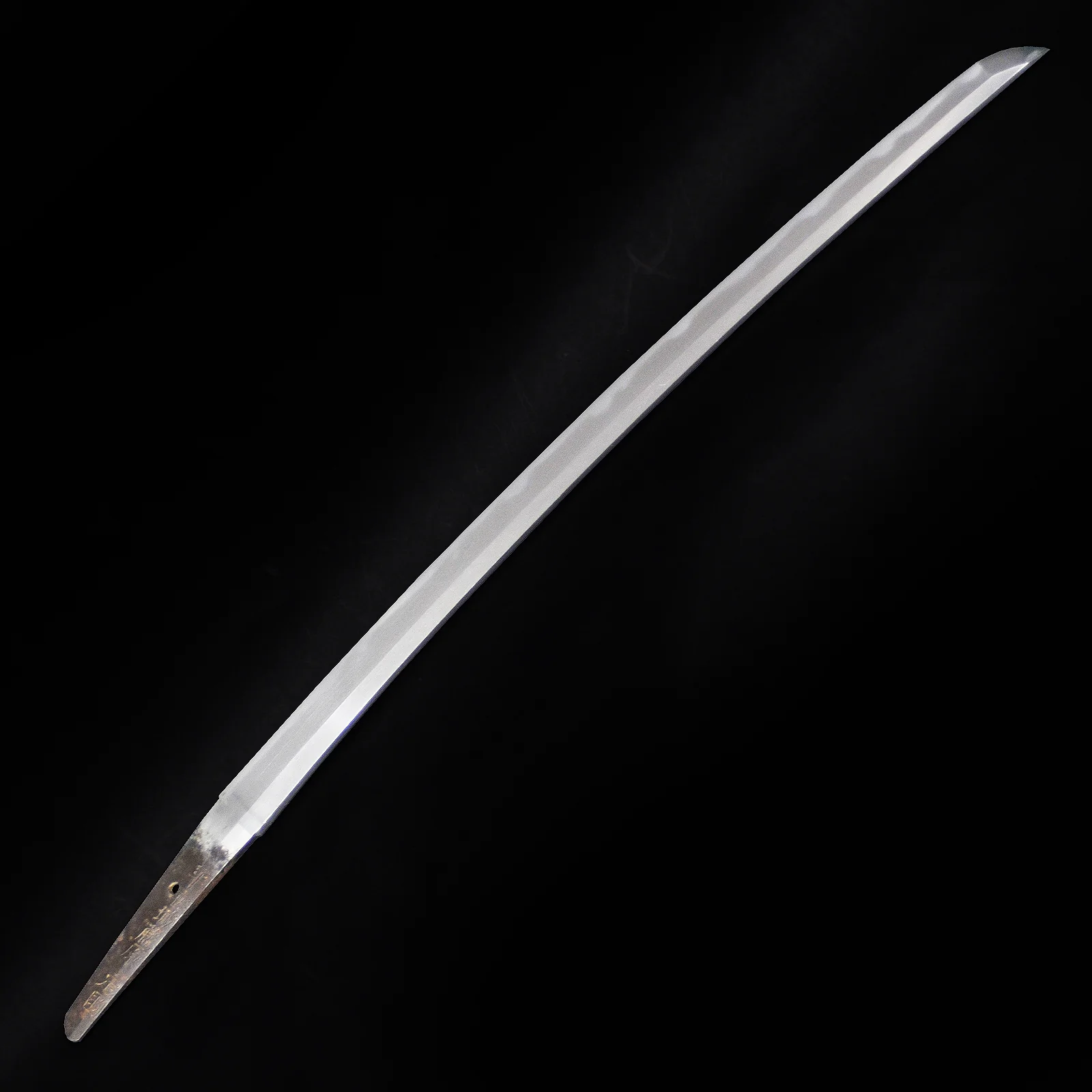
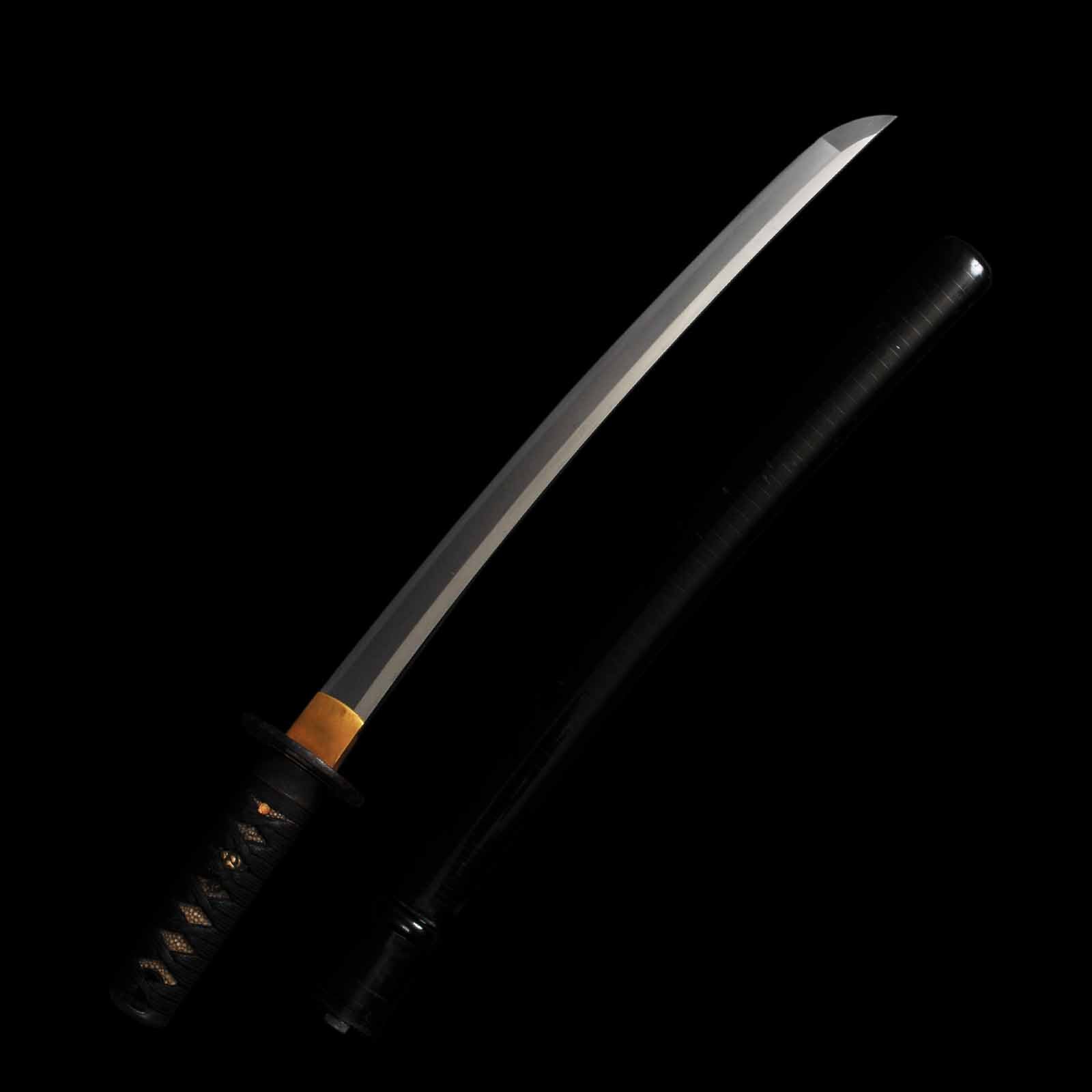
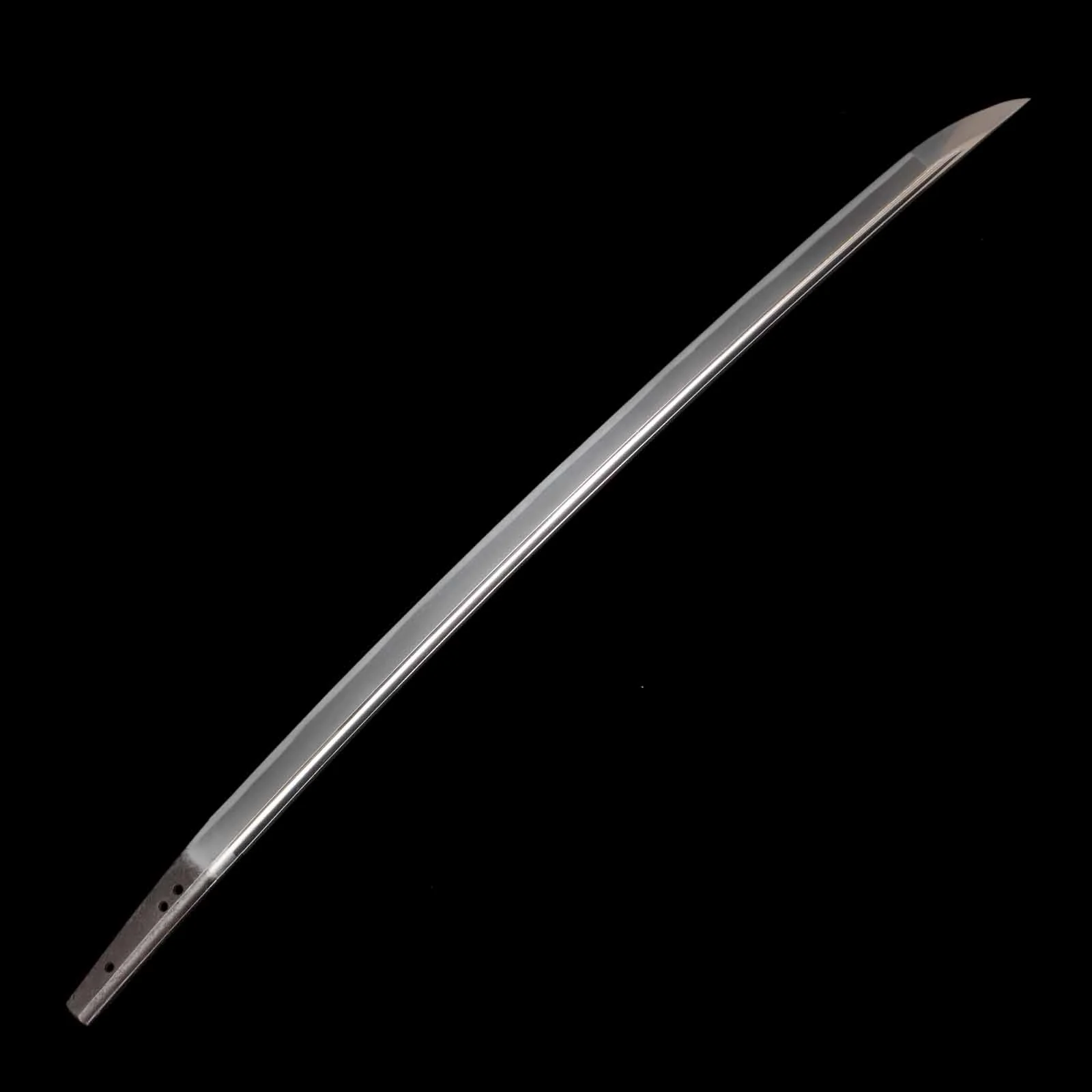
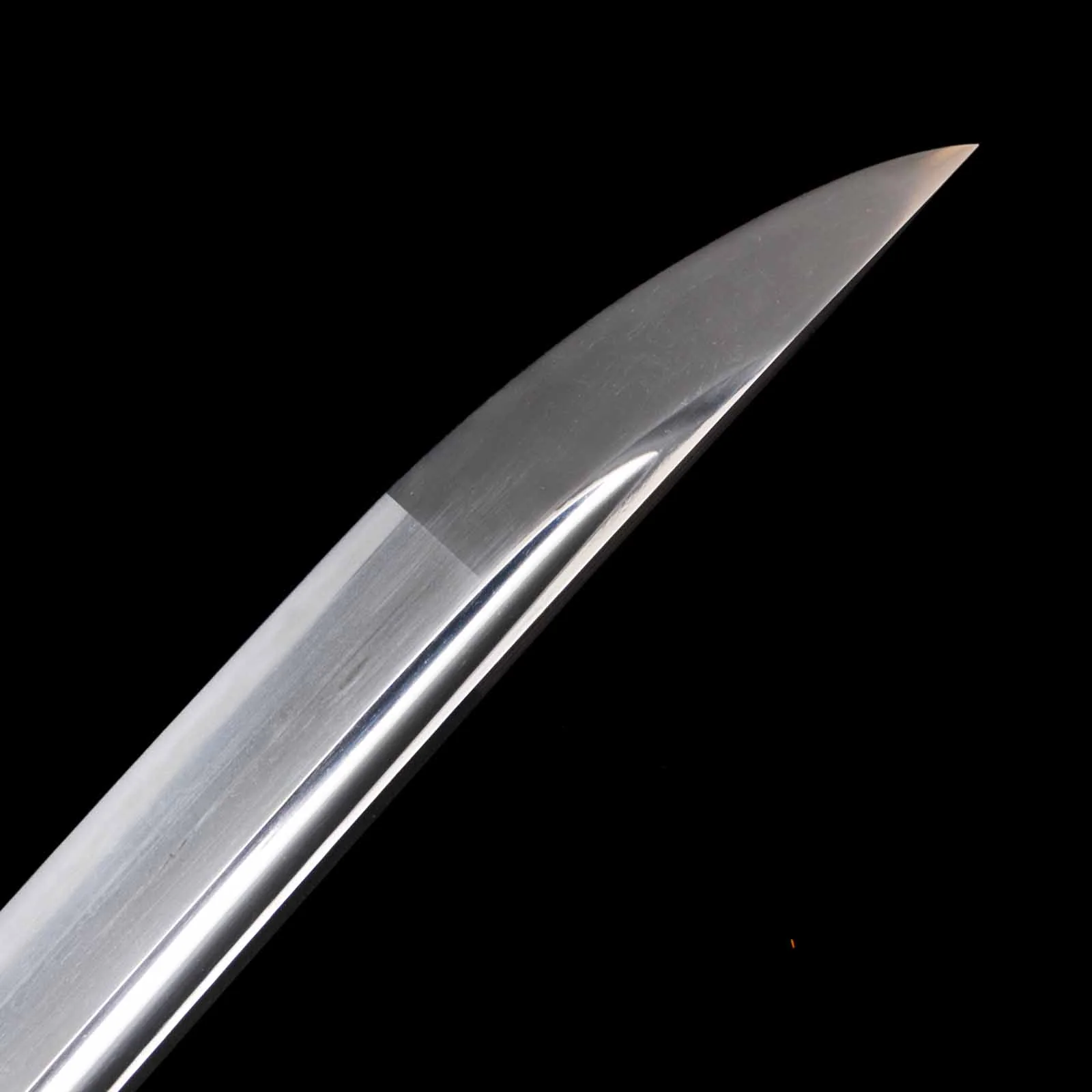
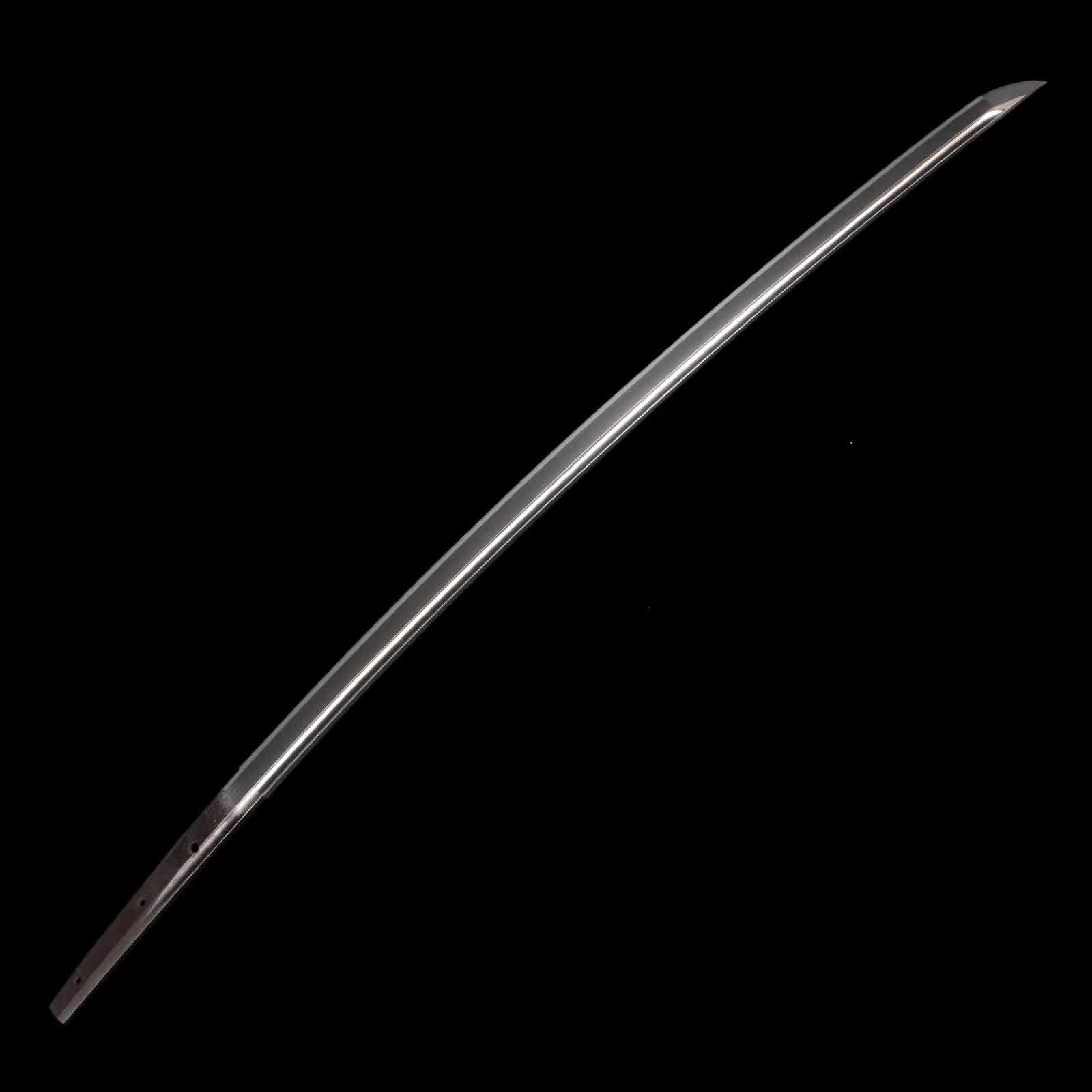
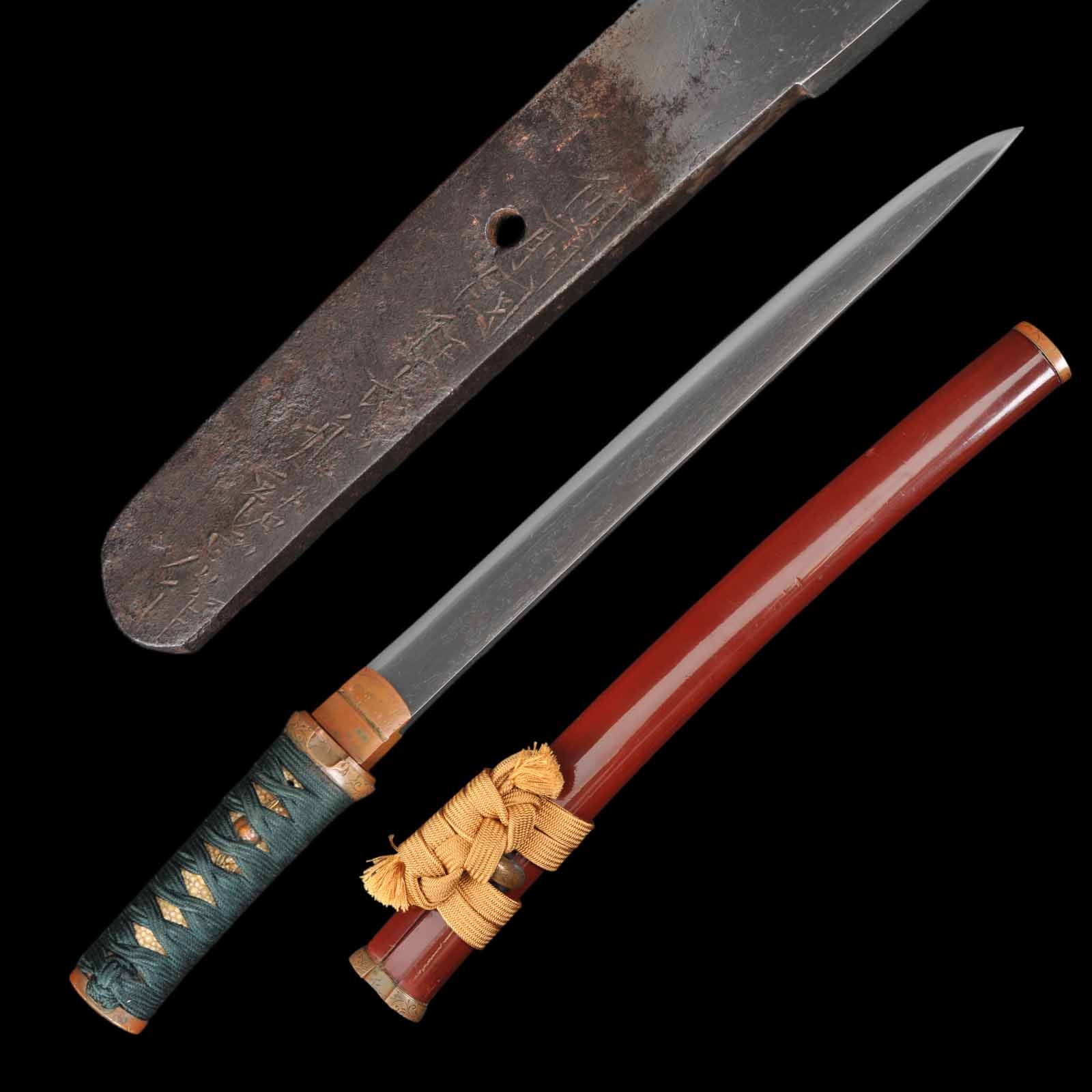
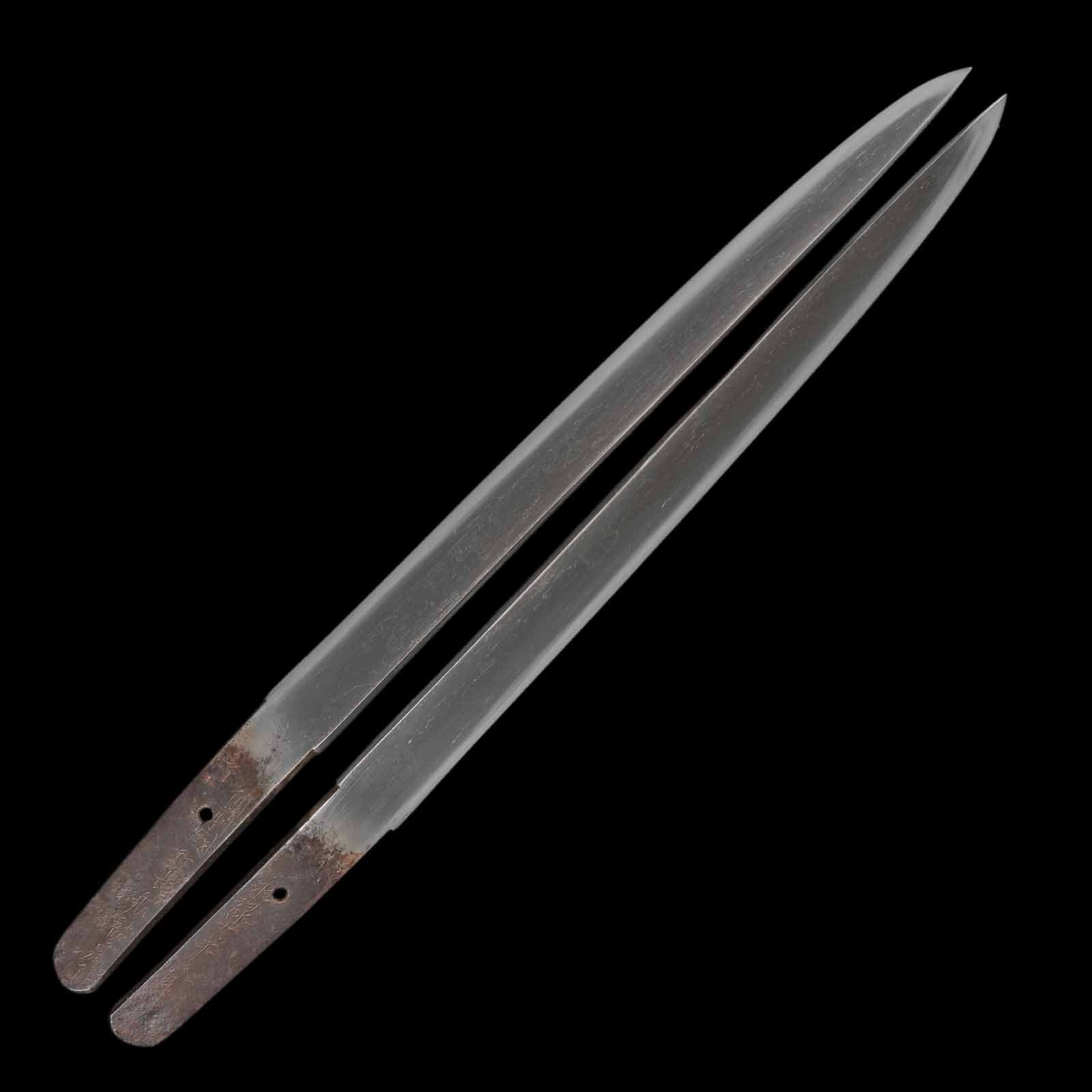
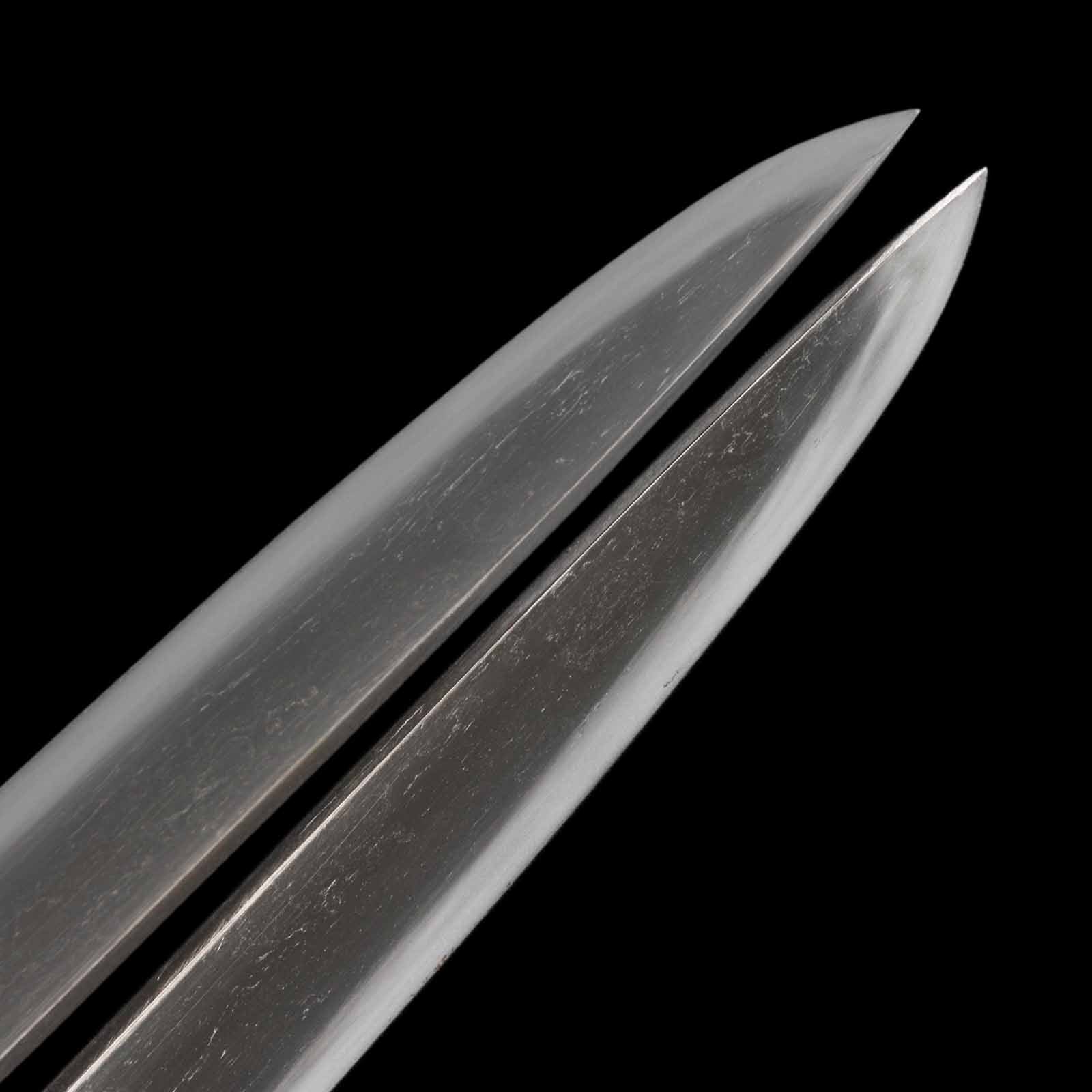
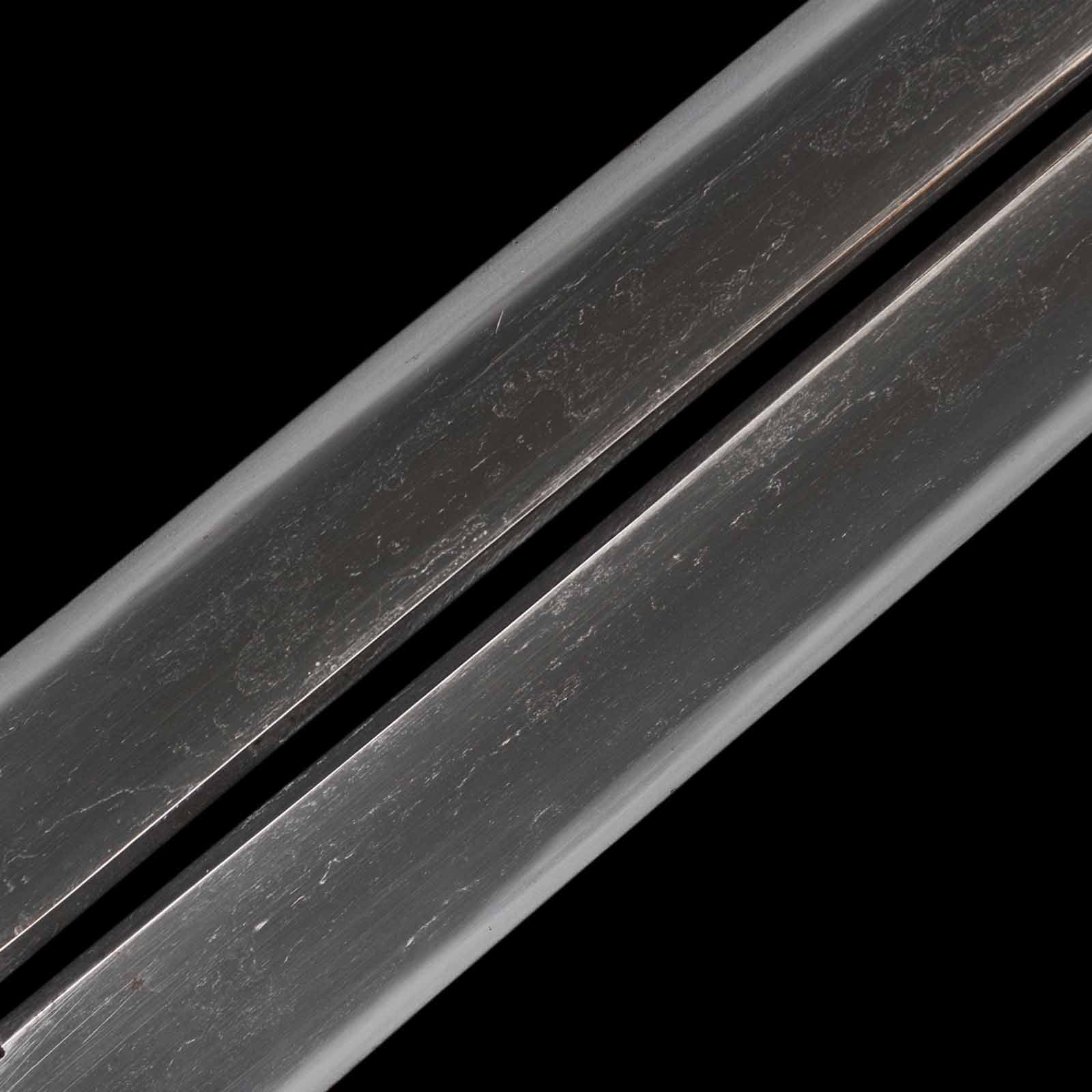
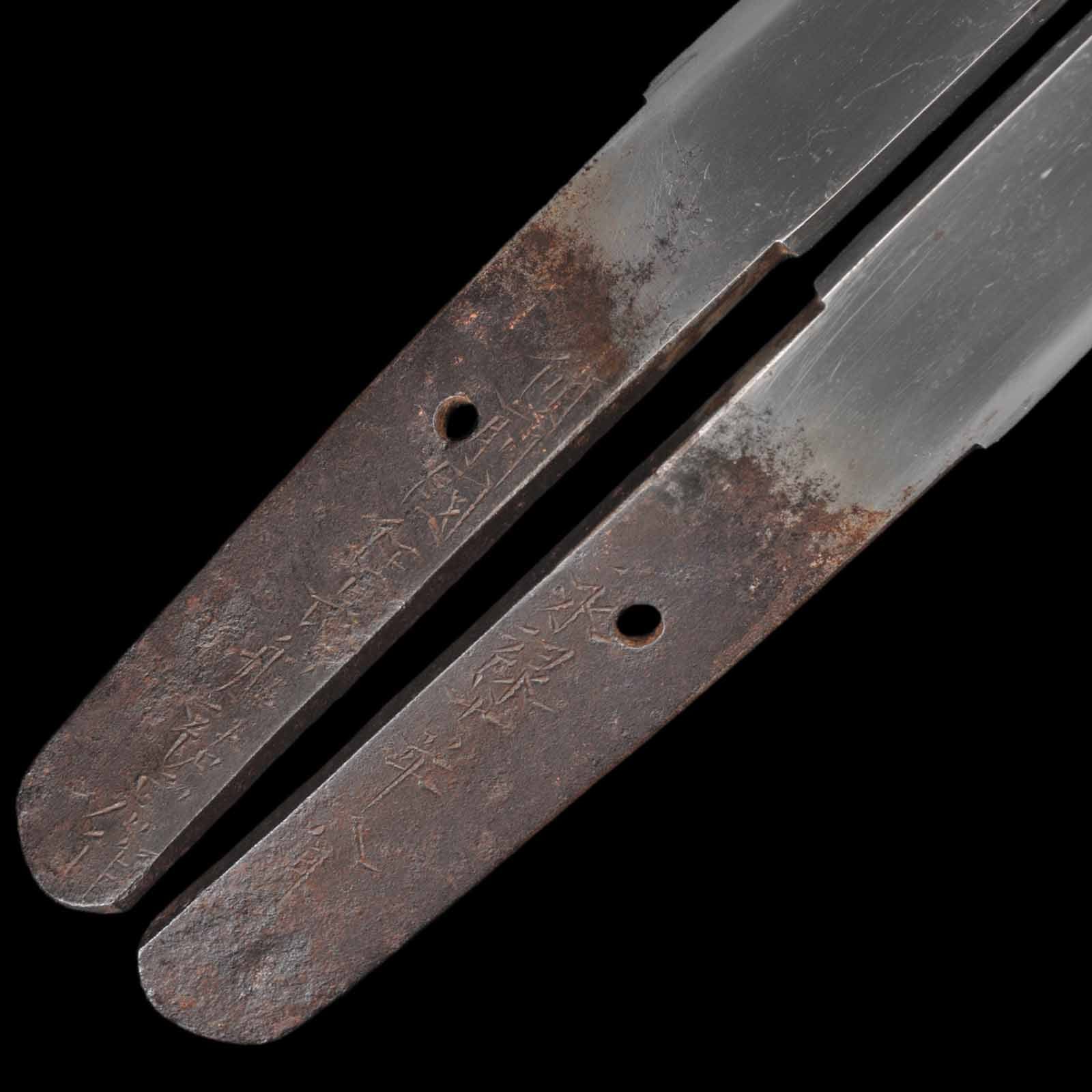
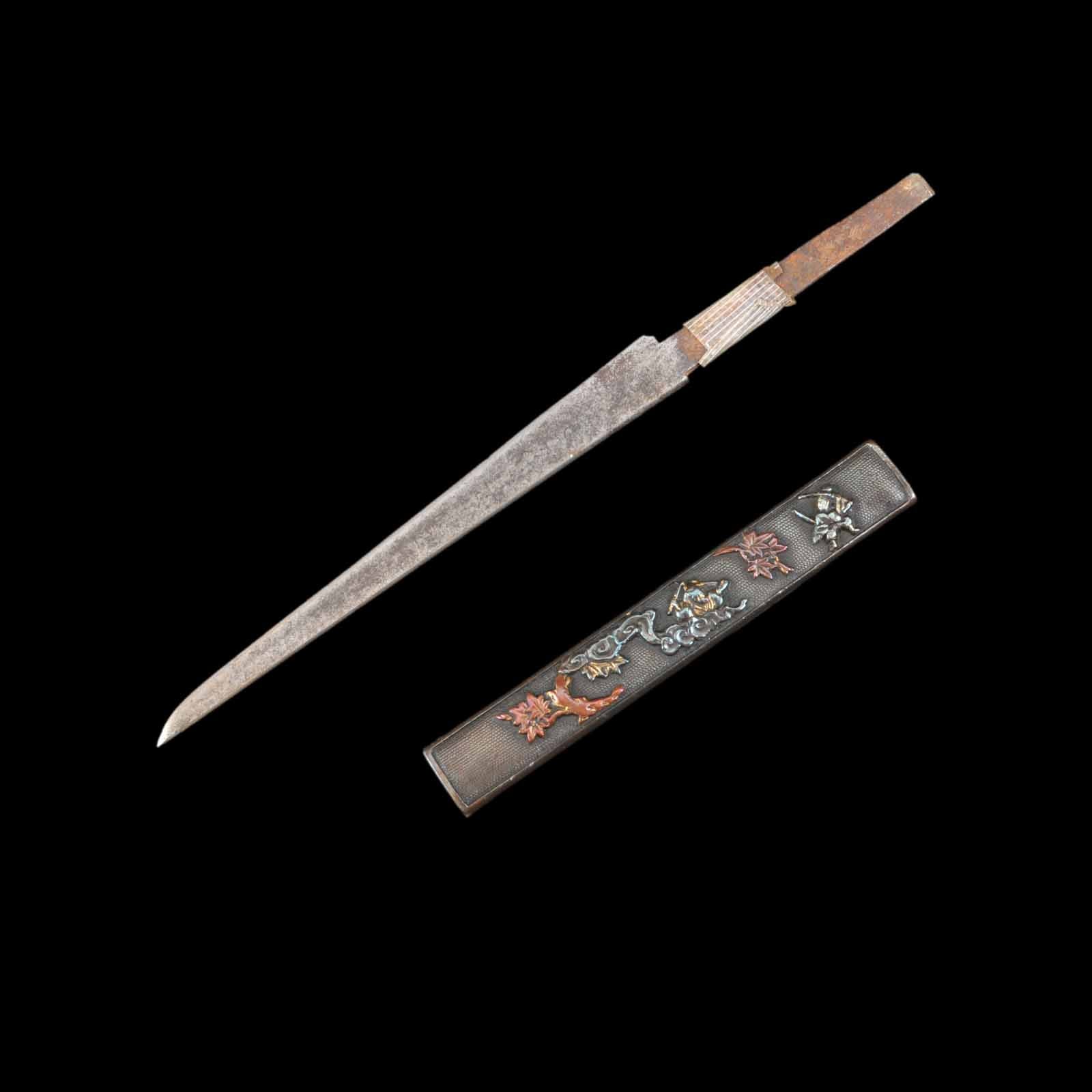
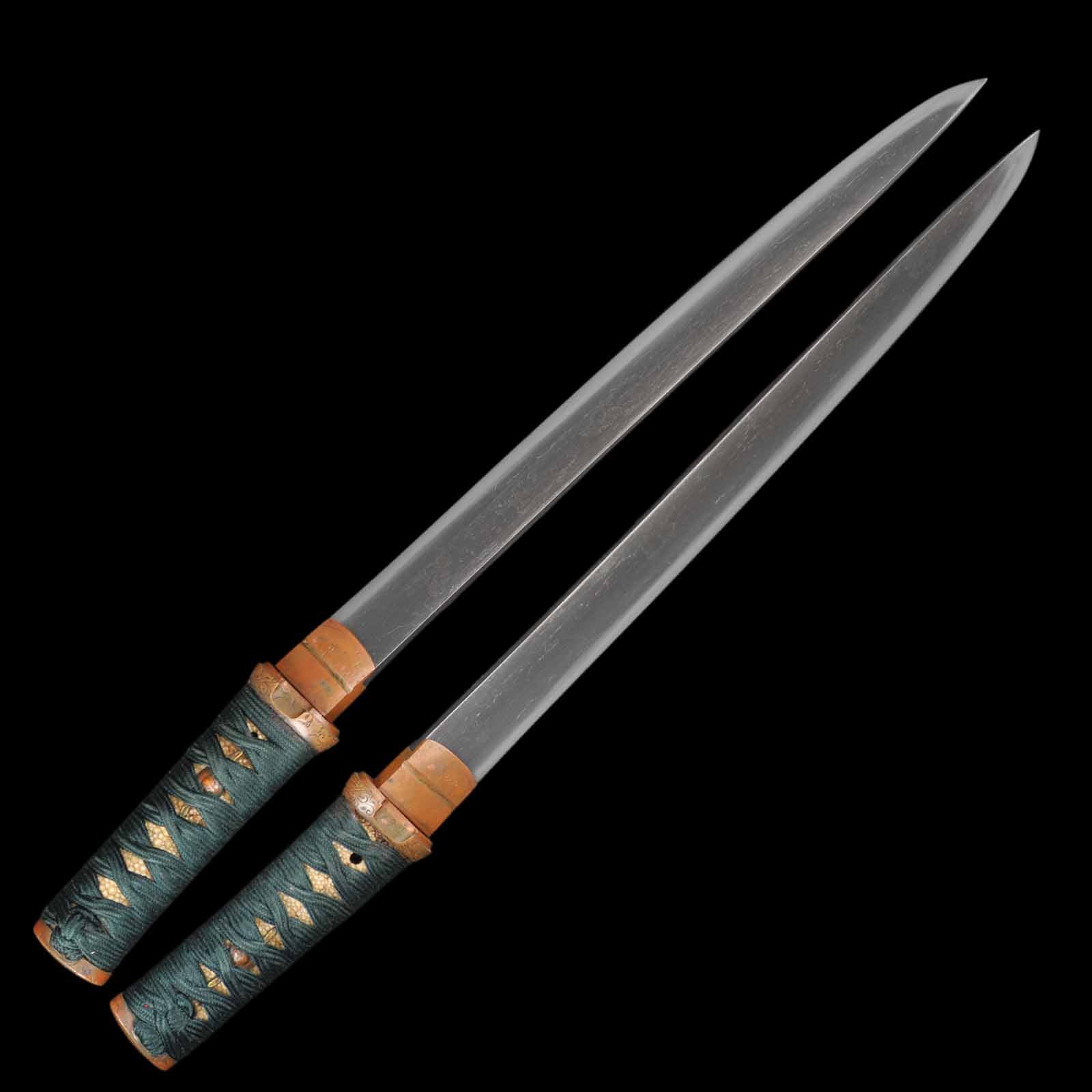
Although the blade has not yet been authenticated, it is a very well-made piece with a dated inscription. The entire blade has been traditionally polished, and it is in excellent condition with virtually no flaws. The jigane features a typical Koto-hada pattern with a mixture of mokume and itame, and it is well-patinated. The hamon is a practical, fine suguha and the niioikuchi is moist. The nakago is inscribed with “Bizen Koku Ju Osafune Sukesada Saku” on the sashiomote side and “Eiroku Ju Nen Hachigatsu” on the sashiura side. This indicates that Osafune Sukesada, a resident of Bizen Province, forged this blade in August of the 10th year of the Eiroku era (1567).
In the 10th year of Eiroku (1567), Oda Nobunaga subdued Mino Province (present-day Gifu Prefecture), moved his base from Komakiyama Castle to Inabayama Castle, and renamed it “Gifu.” Furthermore, this year is known as a major turning point in Japanese history toward national unification, marked by events such as Matsudaira Ieyasu (later Tokugawa Ieyasu) obtaining imperial permission to change his surname from “Matsudaira” to “Tokugawa,” and the fierce territorial battles and pincer movements between Uesugi Kenshin of Echigo and Takeda Shingen of Kai in the Kanto and Shinano regions.
Sukesada was a swordsmith of the Osafune school, which flourished in Bizen Province (present-day Okayama Prefecture). From the early to the late Muromachi period, several swordsmiths went by the name “Sukesada” and produced swords. Among these many Sukesada, Yosozaemon-no-jo Sukesada, who was active in the late Muromachi period, is considered the greatest master.
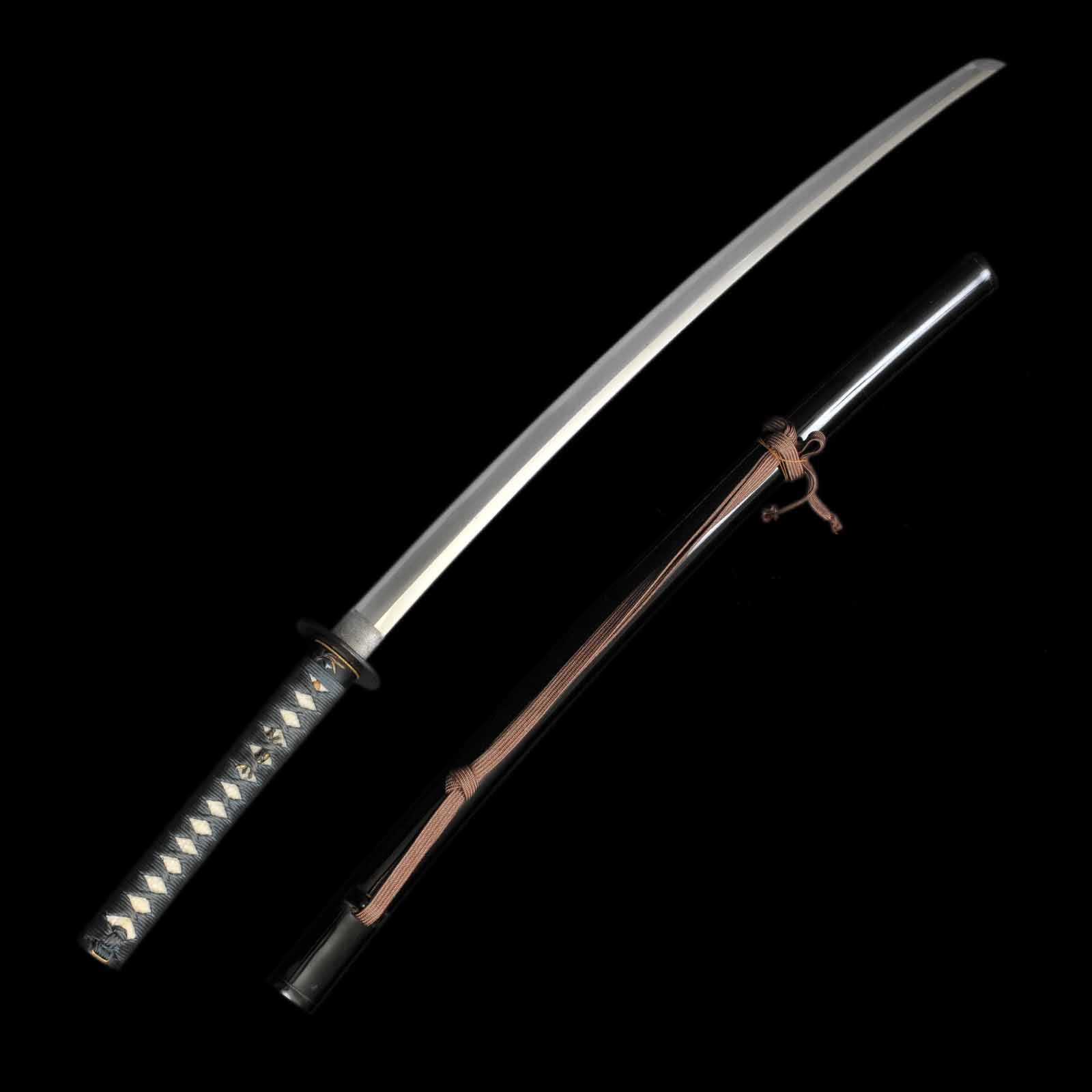
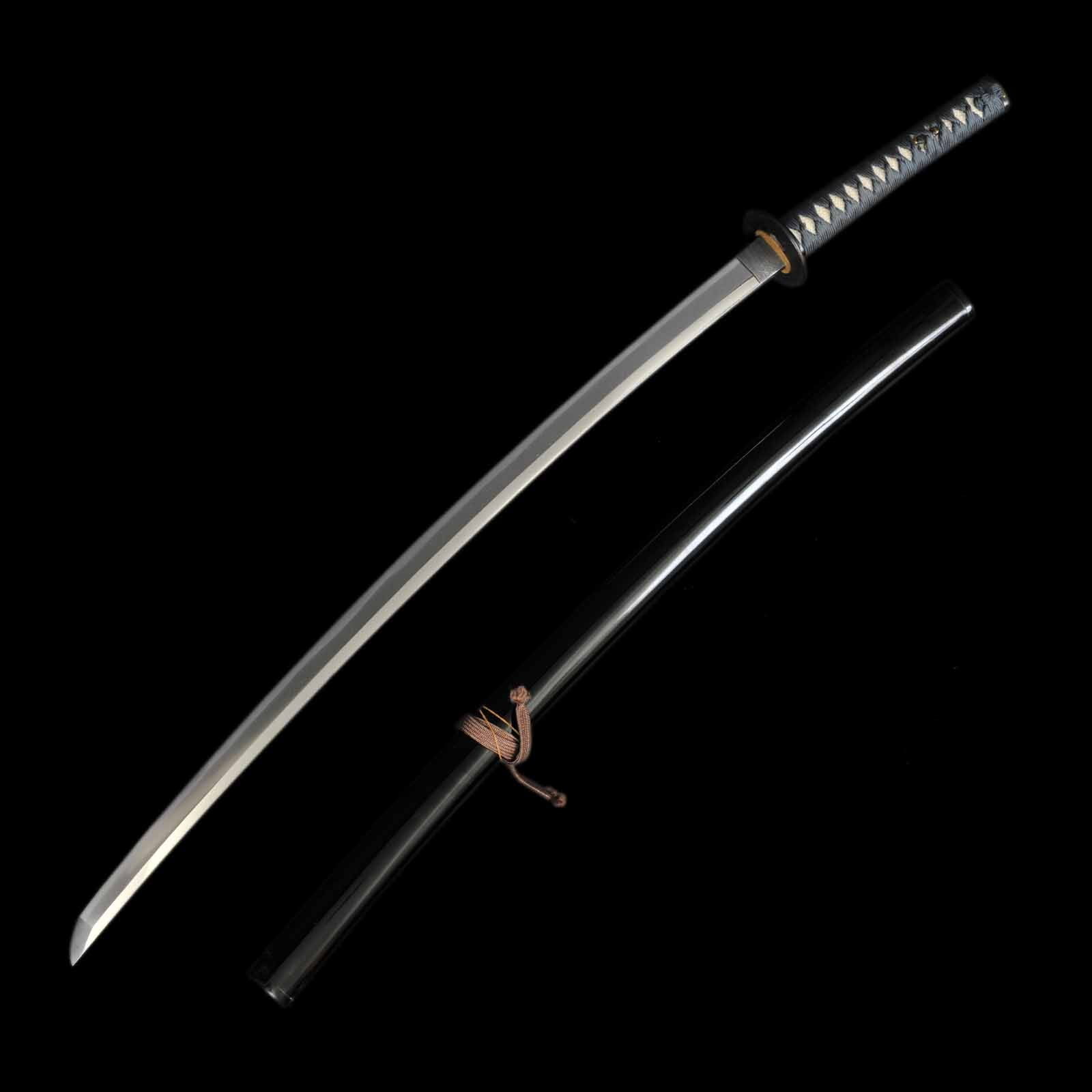
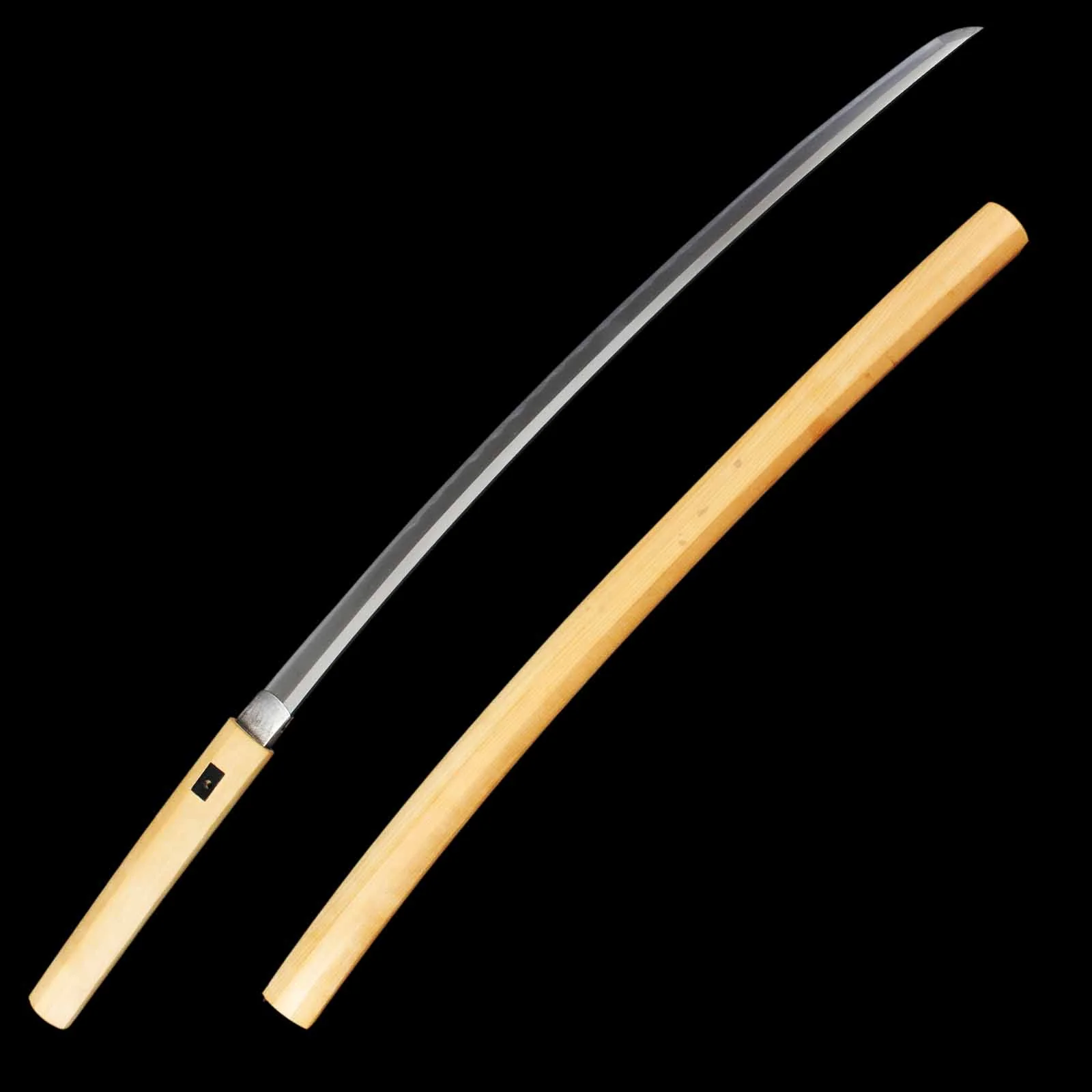
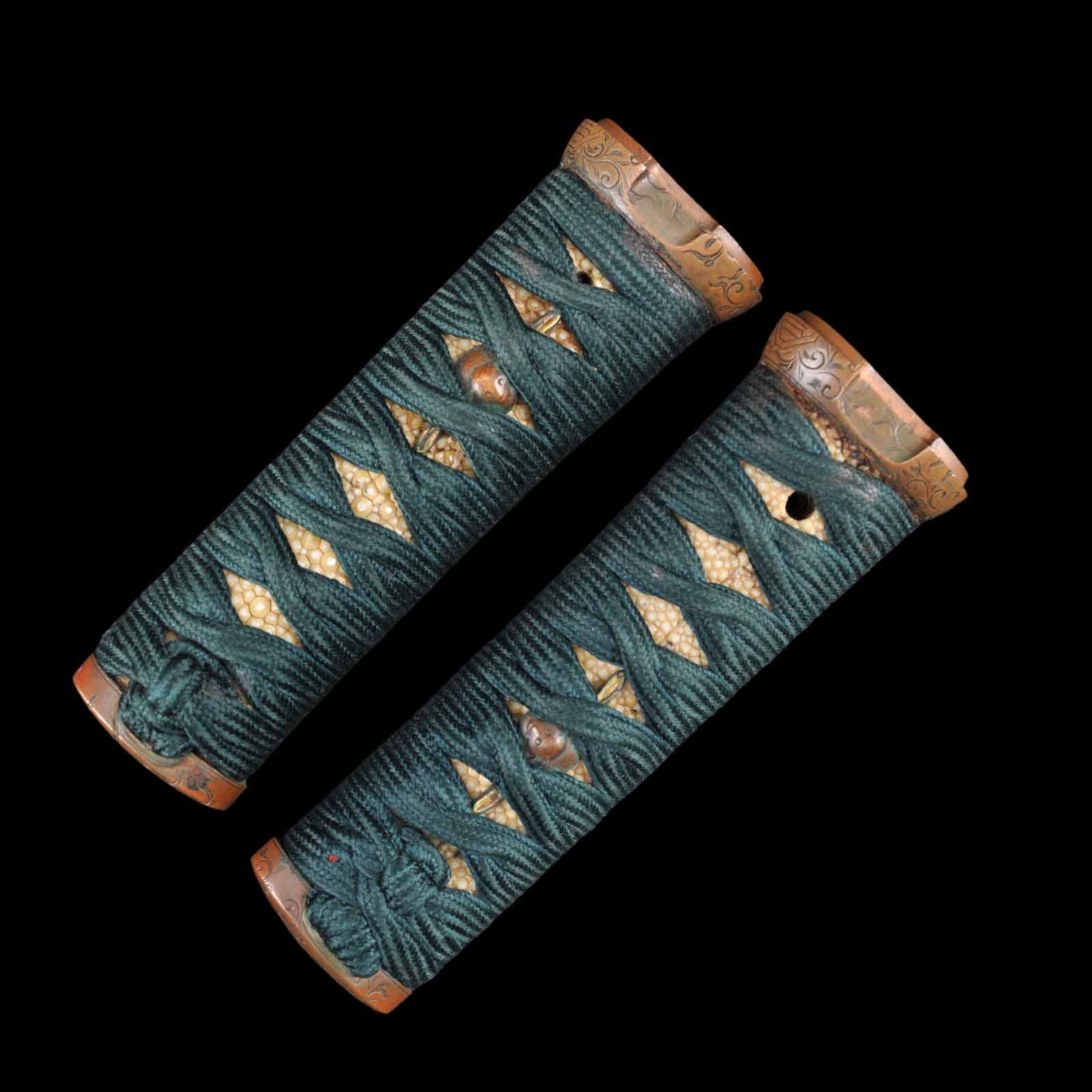
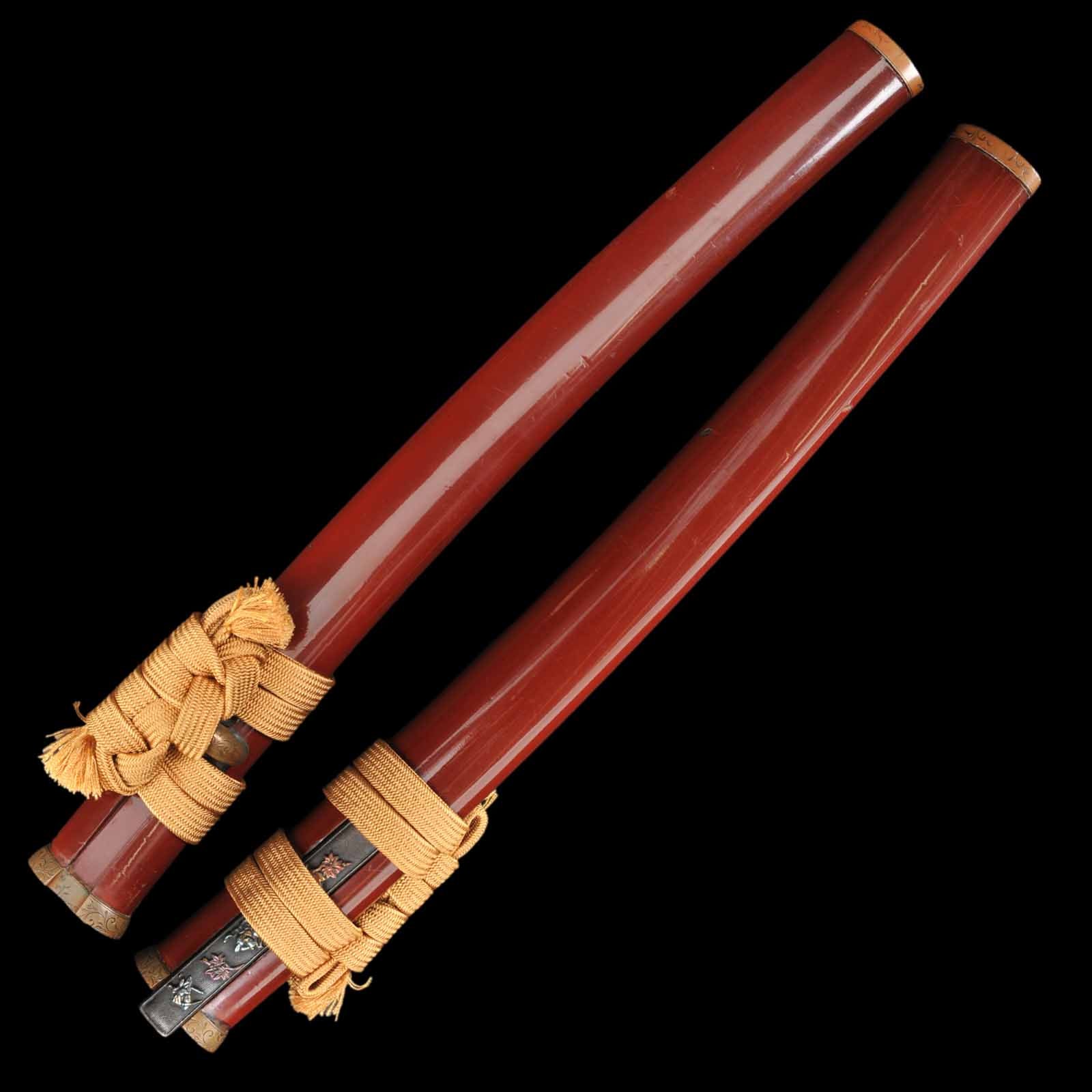
This piece features an Aikuchi koshirae and is missing its kogai, but it is in excellent condition. This large, signed tanto of superb craftsmanship is a must-have addition to your collection.
- Blade length: 31.3 cm
- Curvature: Inward curvature
- Number of Mekugi hole: 1
- Motohaba: 27.2 mm
- Motokasane: 6.3 mm
- Signature: No signature
- Era: Koto
- Structure: Hira-zukuri, Iori-mune
- Jigane: Itame with Mokume
- Hamon: Hoso-suguha
- Boshi: Massugu Haitte Togatte Kaeru
- Weight: 260 g(blade only)/370 g(without Saya)
- Nakago: Ubu
- Koshirae: Green silk wrapped Tsuka with Shu-ro-lacquered Saya
- Original Registration No.: Hyogo 127727
Please contact us if the katana you are looking for is not listed here.
Product Information
Product Information
Shipping & Returns
Shipping & Returns
Authentic Koto Era O-Tanto for Sale - Sukesada | Tozando
Authentic Koto Era O-Tanto for Sale - Sukesada | Tozando
A new, pre-authenticated long dagger with an inscribed signature and a dated inscription has arrived.
Although the blade has not yet been authenticated, it is a very well-made piece with a dated inscription. The entire blade has been traditionally polished, and it is in excellent condition with virtually no flaws. The jigane features a typical Koto-hada pattern with a mixture of mokume and itame, and it is well-patinated. The hamon is a practical, fine suguha and the niioikuchi is moist. The nakago is inscribed with “Bizen Koku Ju Osafune Sukesada Saku” on the sashiomote side and “Eiroku Ju Nen Hachigatsu” on the sashiura side. This indicates that Osafune Sukesada, a resident of Bizen Province, forged this blade in August of the 10th year of the Eiroku era (1567).
In the 10th year of Eiroku (1567), Oda Nobunaga subdued Mino Province (present-day Gifu Prefecture), moved his base from Komakiyama Castle to Inabayama Castle, and renamed it “Gifu.” Furthermore, this year is known as a major turning point in Japanese history toward national unification, marked by events such as Matsudaira Ieyasu (later Tokugawa Ieyasu) obtaining imperial permission to change his surname from “Matsudaira” to “Tokugawa,” and the fierce territorial battles and pincer movements between Uesugi Kenshin of Echigo and Takeda Shingen of Kai in the Kanto and Shinano regions.
Sukesada was a swordsmith of the Osafune school, which flourished in Bizen Province (present-day Okayama Prefecture). From the early to the late Muromachi period, several swordsmiths went by the name “Sukesada” and produced swords. Among these many Sukesada, Yosozaemon-no-jo Sukesada, who was active in the late Muromachi period, is considered the greatest master.
This piece features an Aikuchi koshirae and is missing its kogai, but it is in excellent condition. This large, signed tanto of superb craftsmanship is a must-have addition to your collection.
- Blade length: 31.3 cm
- Curvature: Inward curvature
- Number of Mekugi hole: 1
- Motohaba: 27.2 mm
- Motokasane: 6.3 mm
- Signature: No signature
- Era: Koto
- Structure: Hira-zukuri, Iori-mune
- Jigane: Itame with Mokume
- Hamon: Hoso-suguha
- Boshi: Massugu Haitte Togatte Kaeru
- Weight: 260 g(blade only)/370 g(without Saya)
- Nakago: Ubu
- Koshirae: Green silk wrapped Tsuka with Shu-ro-lacquered Saya
- Original Registration No.: Hyogo 127727
Please contact us if the katana you are looking for is not listed here.
Product Information
Product Information
Shipping & Returns
Shipping & Returns
Description
A new, pre-authenticated long dagger with an inscribed signature and a dated inscription has arrived.
Although the blade has not yet been authenticated, it is a very well-made piece with a dated inscription. The entire blade has been traditionally polished, and it is in excellent condition with virtually no flaws. The jigane features a typical Koto-hada pattern with a mixture of mokume and itame, and it is well-patinated. The hamon is a practical, fine suguha and the niioikuchi is moist. The nakago is inscribed with “Bizen Koku Ju Osafune Sukesada Saku” on the sashiomote side and “Eiroku Ju Nen Hachigatsu” on the sashiura side. This indicates that Osafune Sukesada, a resident of Bizen Province, forged this blade in August of the 10th year of the Eiroku era (1567).
In the 10th year of Eiroku (1567), Oda Nobunaga subdued Mino Province (present-day Gifu Prefecture), moved his base from Komakiyama Castle to Inabayama Castle, and renamed it “Gifu.” Furthermore, this year is known as a major turning point in Japanese history toward national unification, marked by events such as Matsudaira Ieyasu (later Tokugawa Ieyasu) obtaining imperial permission to change his surname from “Matsudaira” to “Tokugawa,” and the fierce territorial battles and pincer movements between Uesugi Kenshin of Echigo and Takeda Shingen of Kai in the Kanto and Shinano regions.
Sukesada was a swordsmith of the Osafune school, which flourished in Bizen Province (present-day Okayama Prefecture). From the early to the late Muromachi period, several swordsmiths went by the name “Sukesada” and produced swords. Among these many Sukesada, Yosozaemon-no-jo Sukesada, who was active in the late Muromachi period, is considered the greatest master.
This piece features an Aikuchi koshirae and is missing its kogai, but it is in excellent condition. This large, signed tanto of superb craftsmanship is a must-have addition to your collection.
- Blade length: 31.3 cm
- Curvature: Inward curvature
- Number of Mekugi hole: 1
- Motohaba: 27.2 mm
- Motokasane: 6.3 mm
- Signature: No signature
- Era: Koto
- Structure: Hira-zukuri, Iori-mune
- Jigane: Itame with Mokume
- Hamon: Hoso-suguha
- Boshi: Massugu Haitte Togatte Kaeru
- Weight: 260 g(blade only)/370 g(without Saya)
- Nakago: Ubu
- Koshirae: Green silk wrapped Tsuka with Shu-ro-lacquered Saya
- Original Registration No.: Hyogo 127727
Please contact us if the katana you are looking for is not listed here.