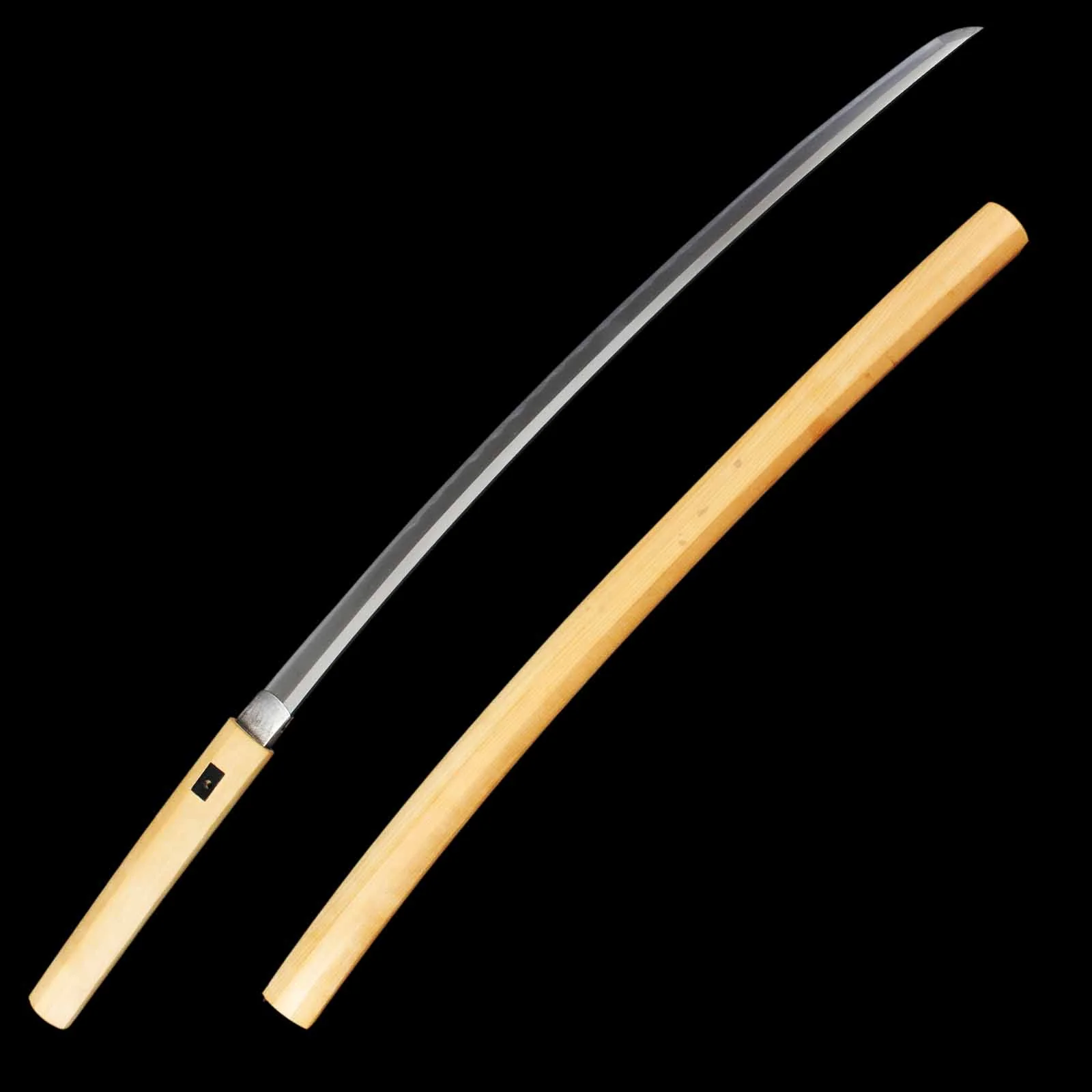
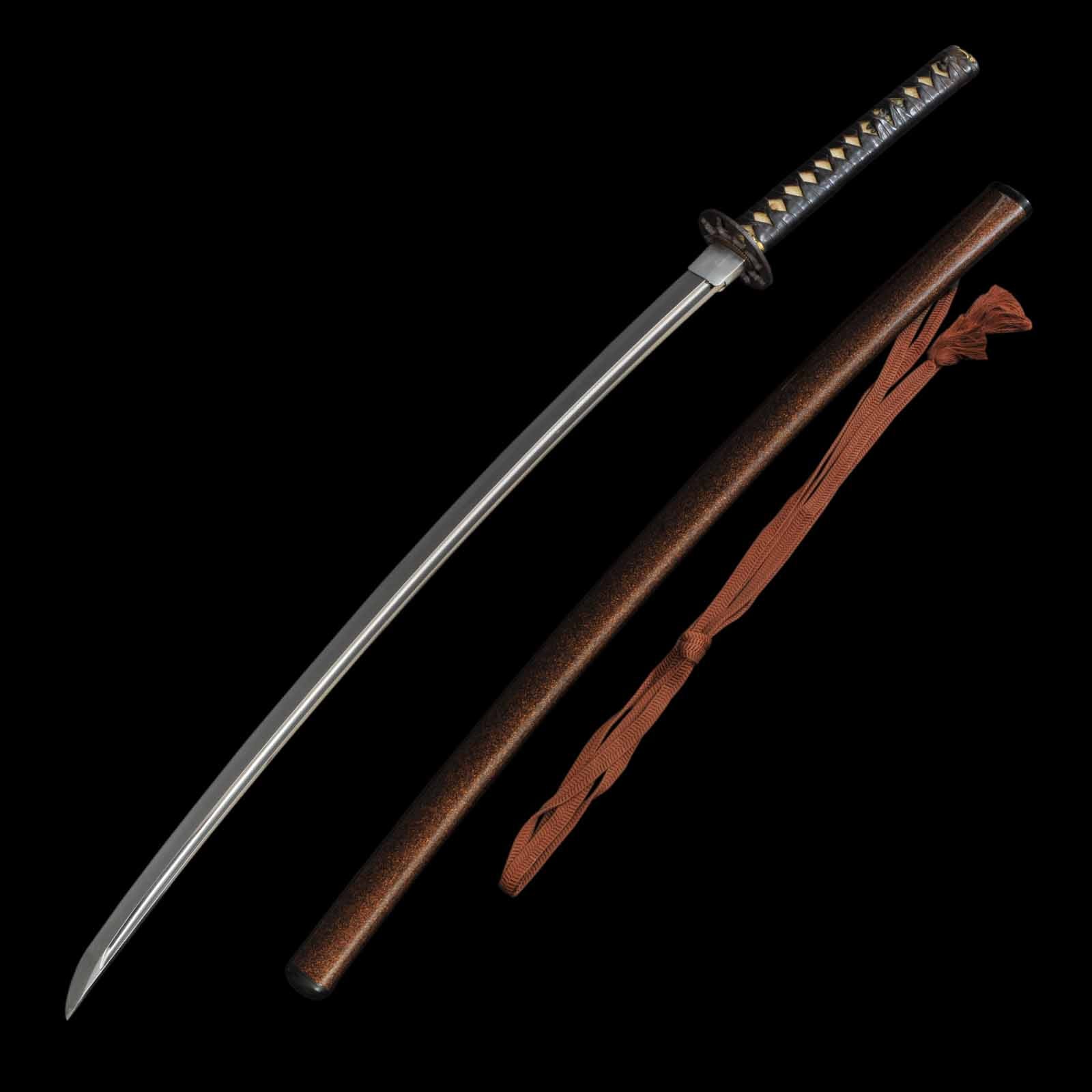
Katana - Mumei(No Signature) - NBTHK Juyo Token Certificate - Uchigatana/Shirasaya Koshirae - Suriage Nakago - Koto Era
The Ko-Mihara was a group of swordsmiths who flourished in the area of Mihara in Bingo Province (present-day eastern Hiroshima Prefecture) from the end of the Kamakura period to the Nanboku period. Mihara was famous for its high-quality steel, and many swordsmiths from Yamato are said to have migrated there.
Well-known swordsmiths active during this period include Masaie and Masahiro. Their descendants made swords during the period leading up to the end of the Muromachi period. Since there were manors of various temples in Yamato Province in this area, the influence of Yamato-den swords, such as the combination of masame hada and suguha hamon, is evident in the style of Mihara swords, which is the focus of Ko-Mihara. Mihara Swords from the late Kamakura period to the Nanbokucho period are called "Ko-Mihara," while those from the Muromachi period onward are called "Sue-Mihara.
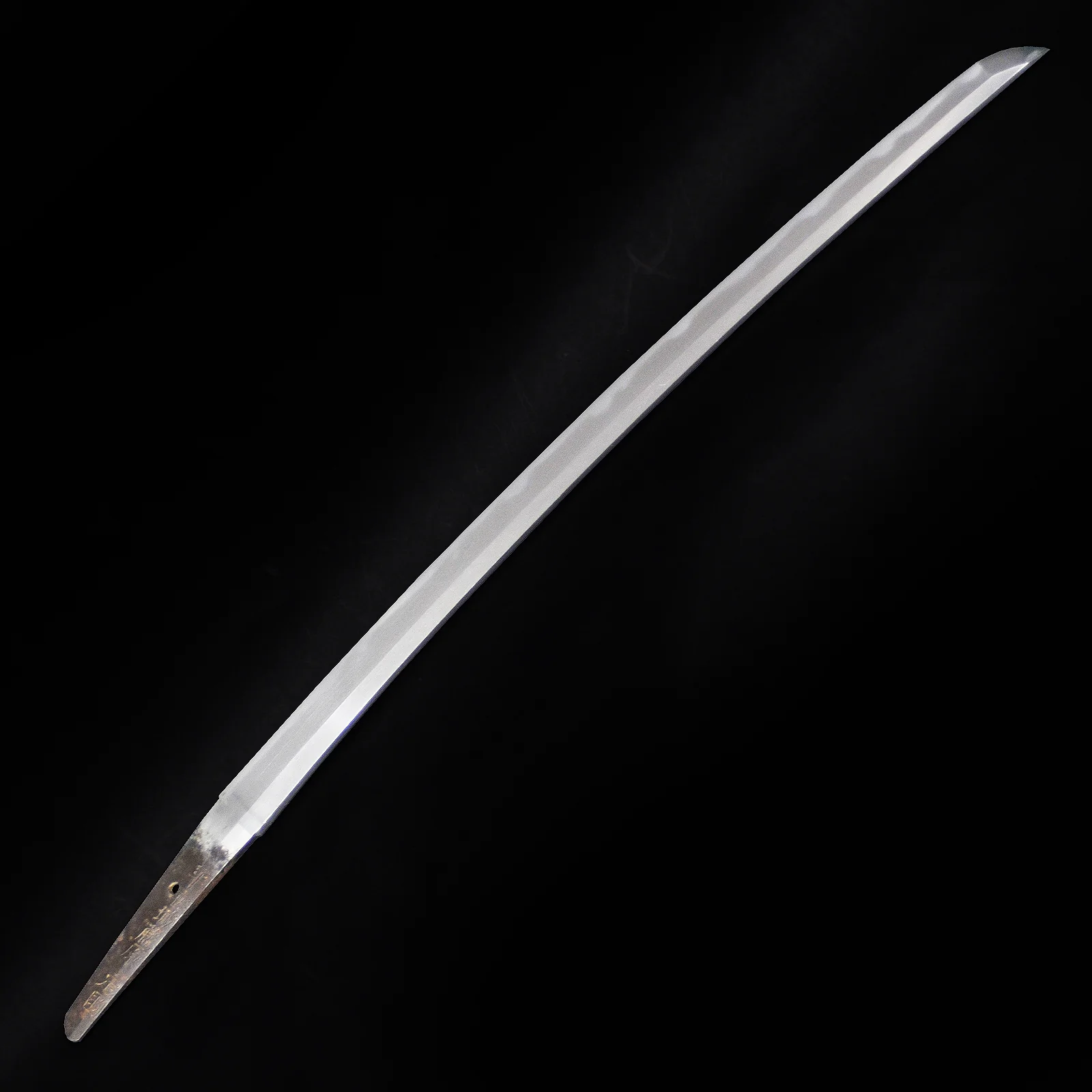
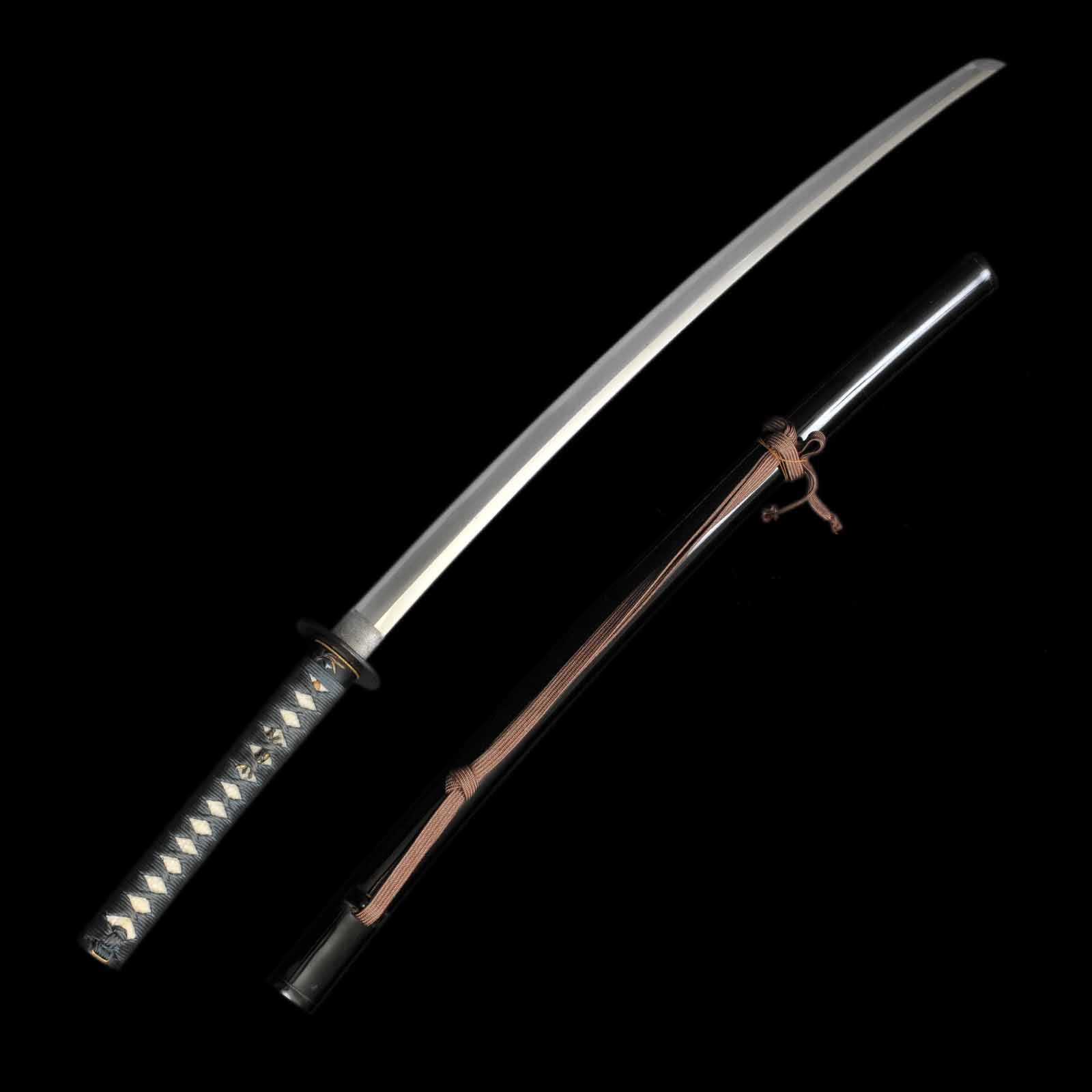
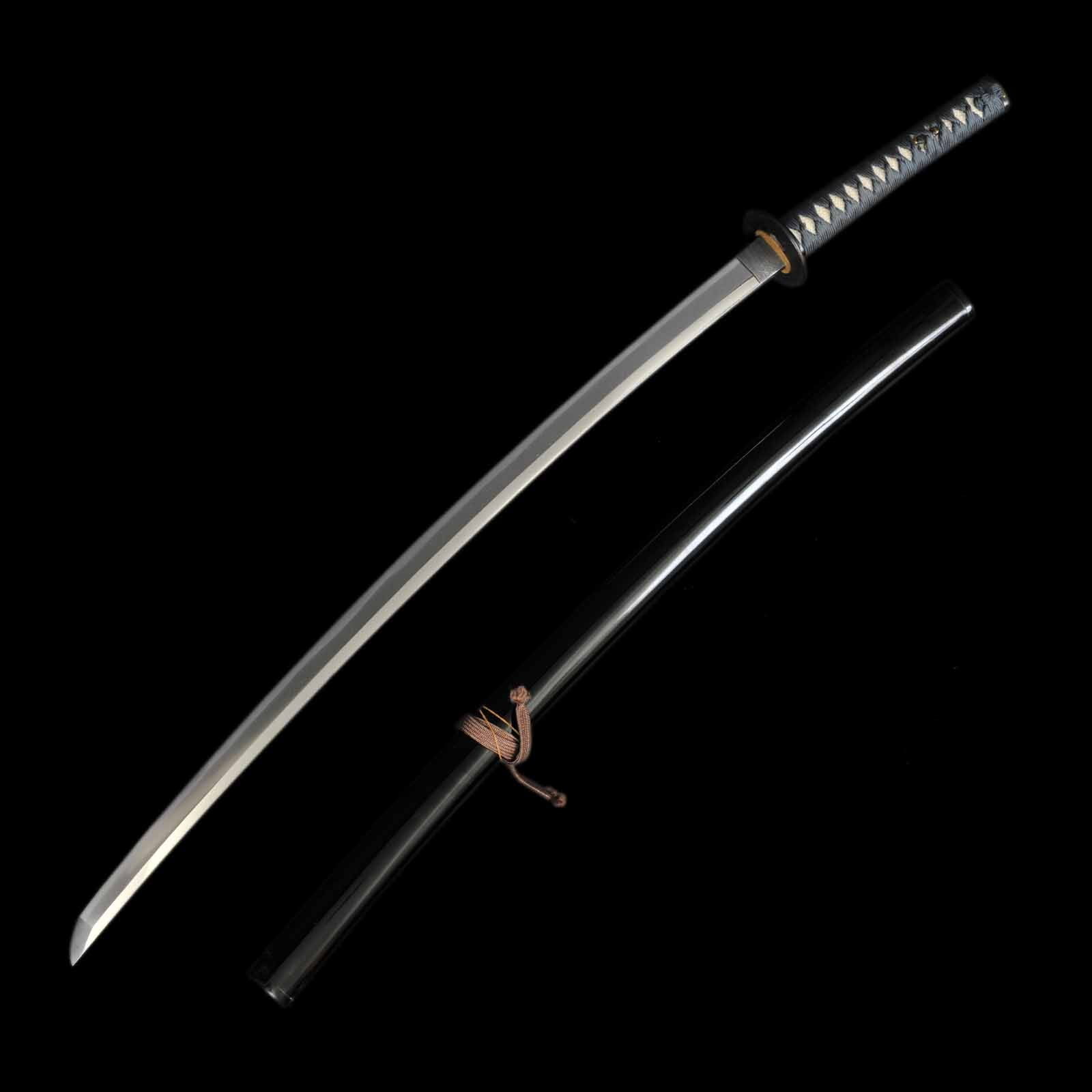
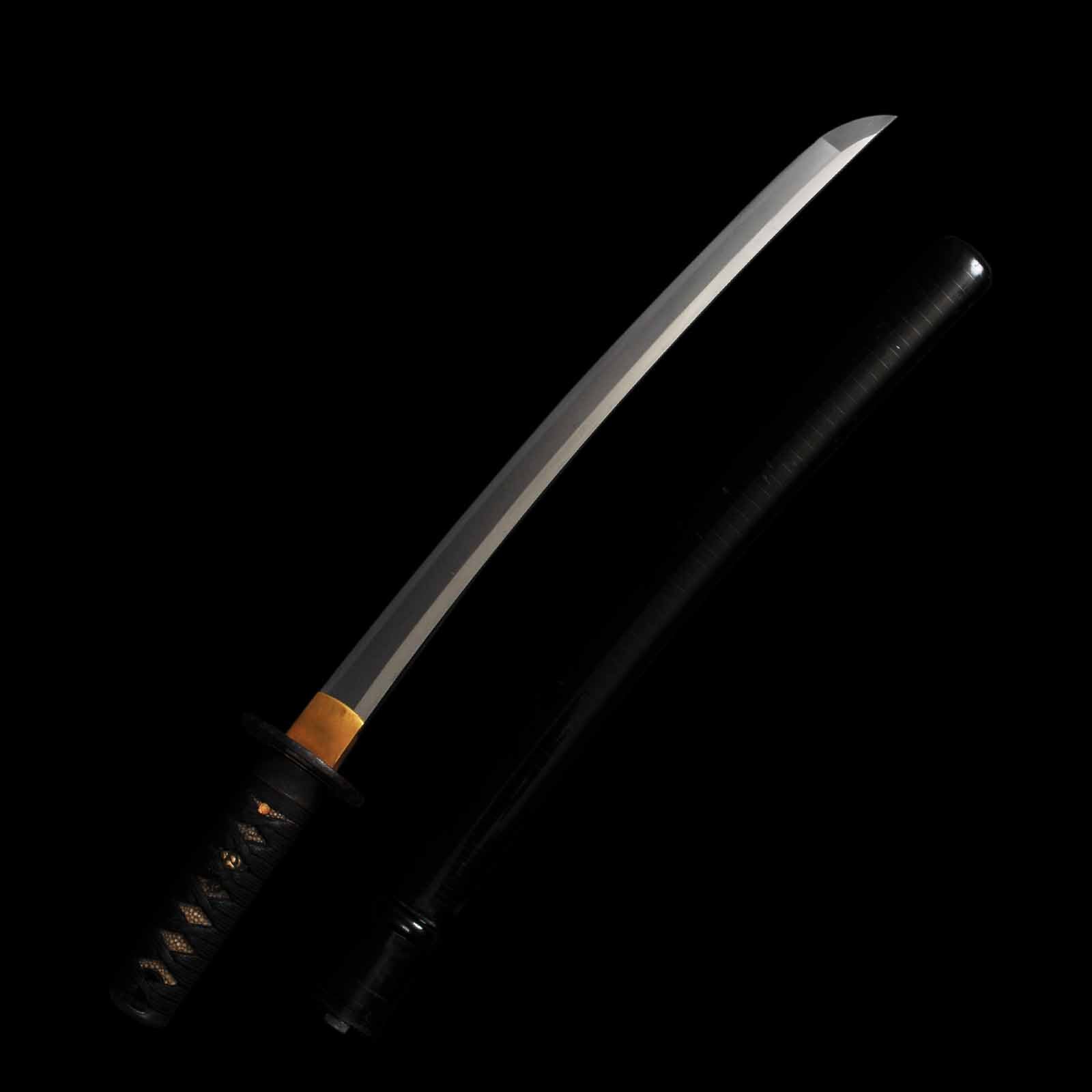
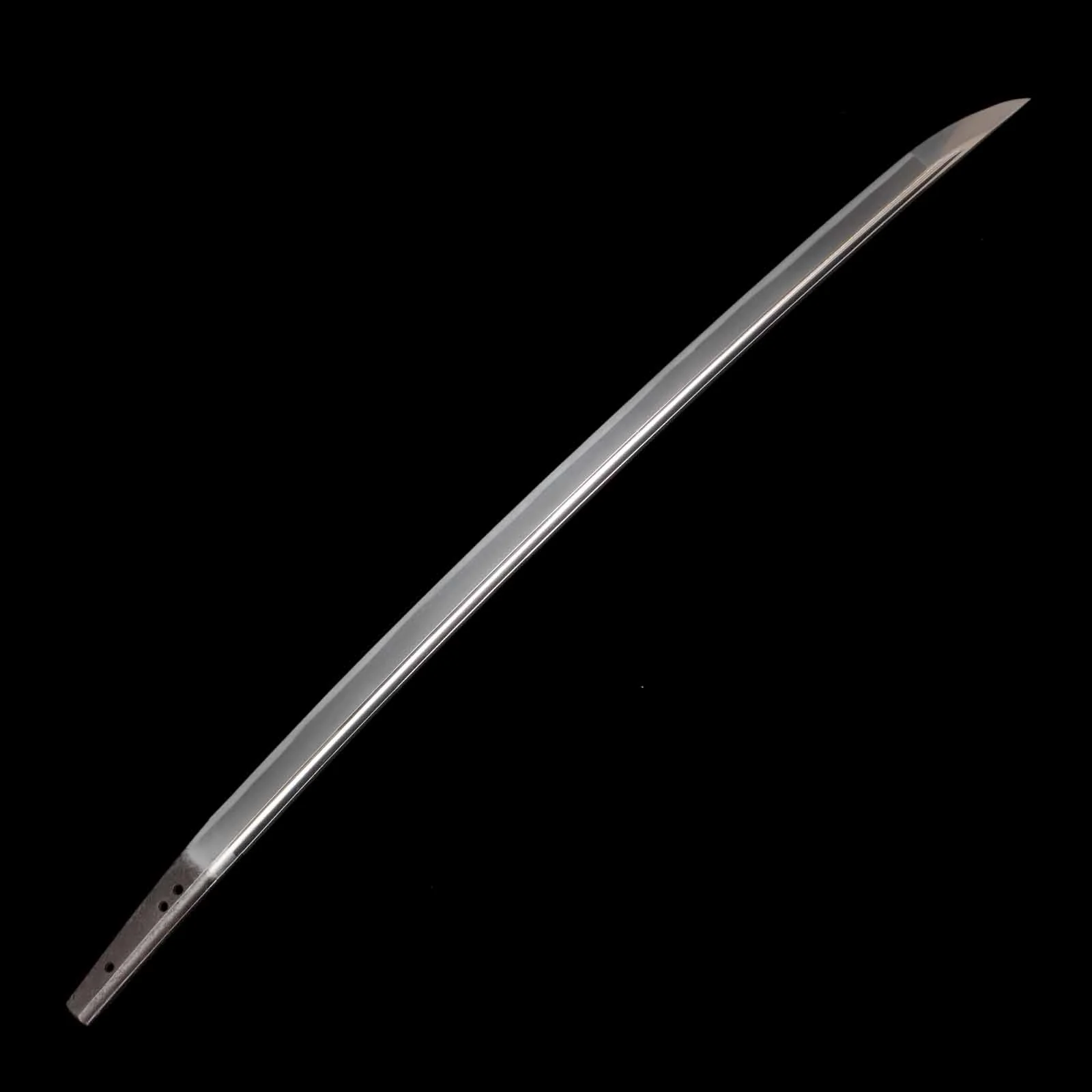
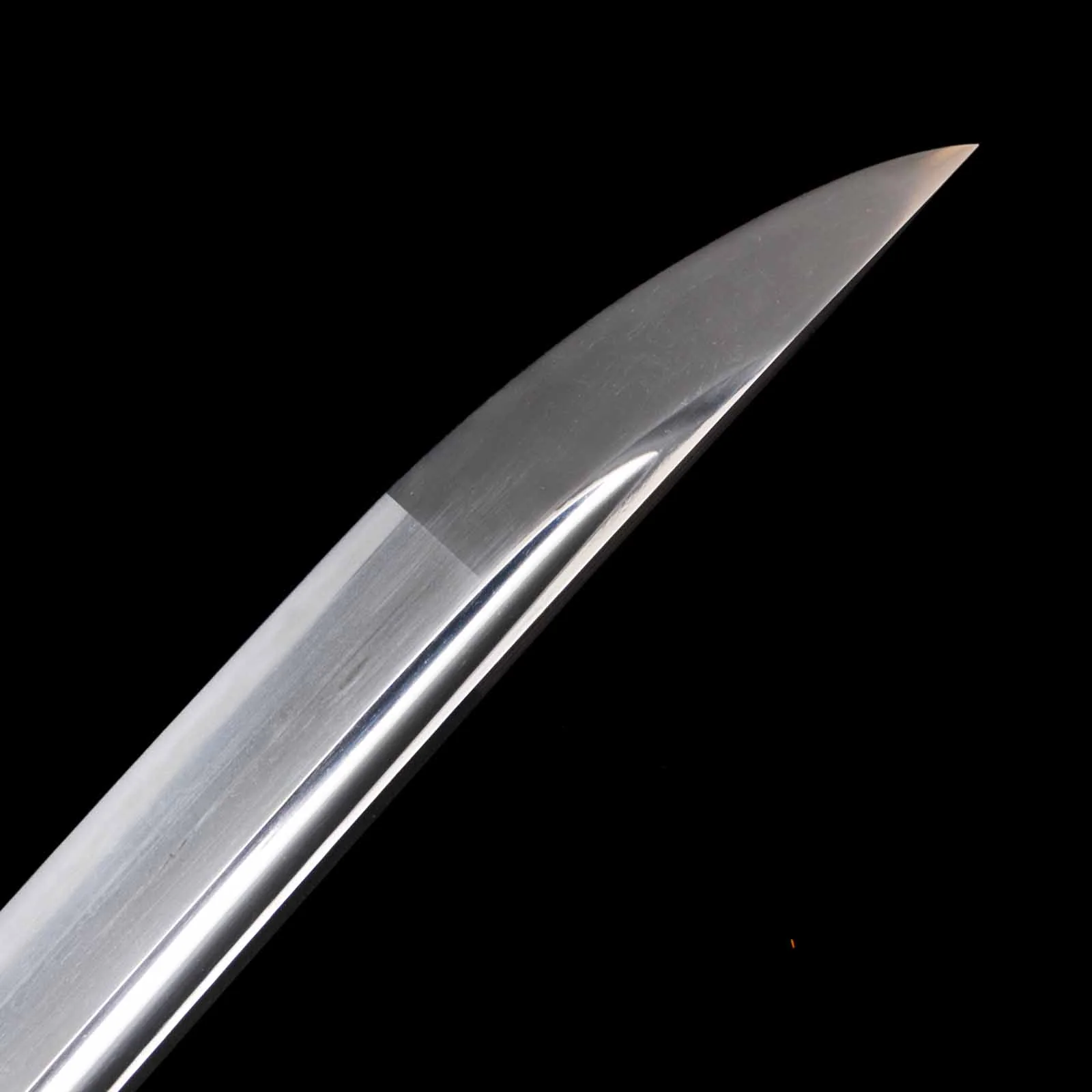
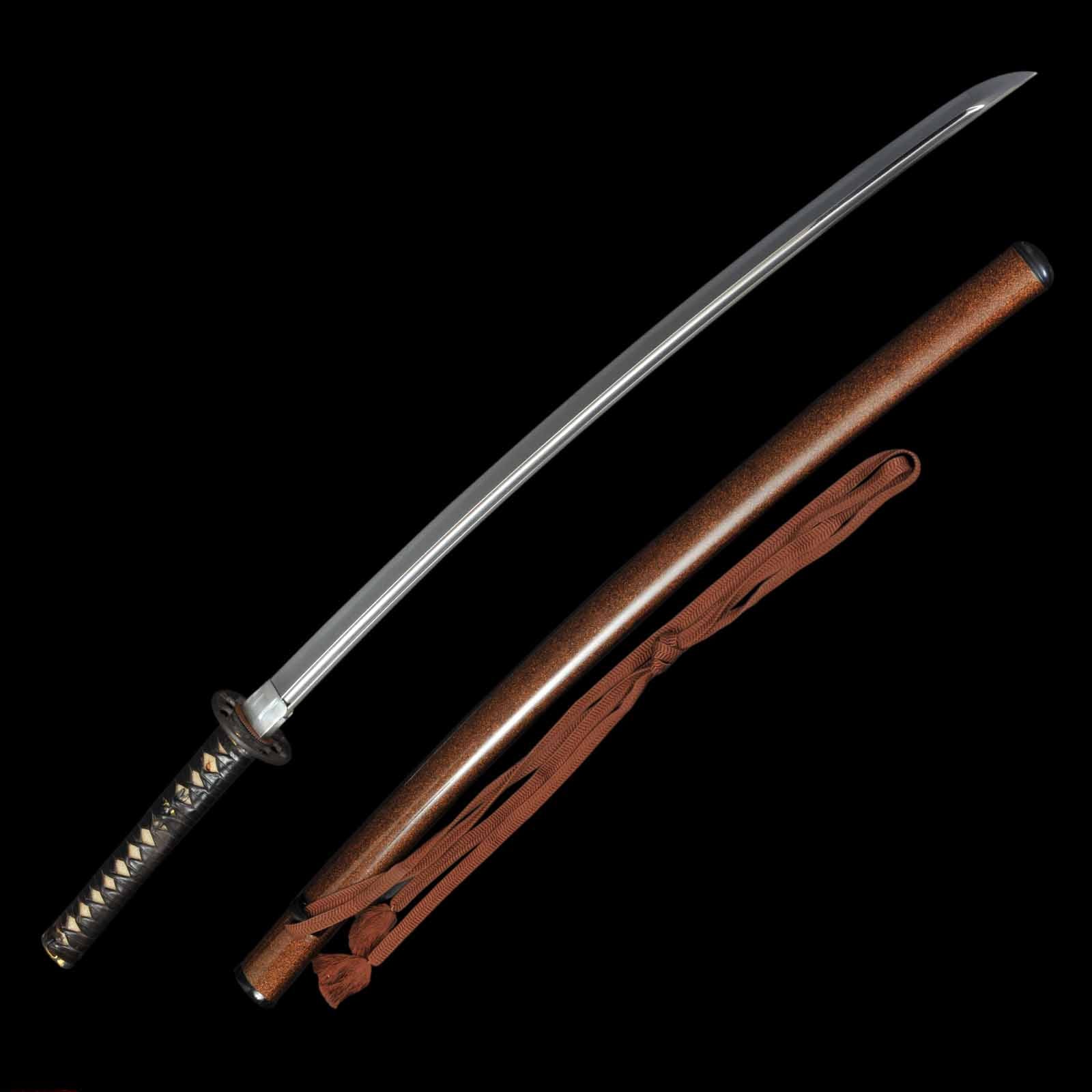
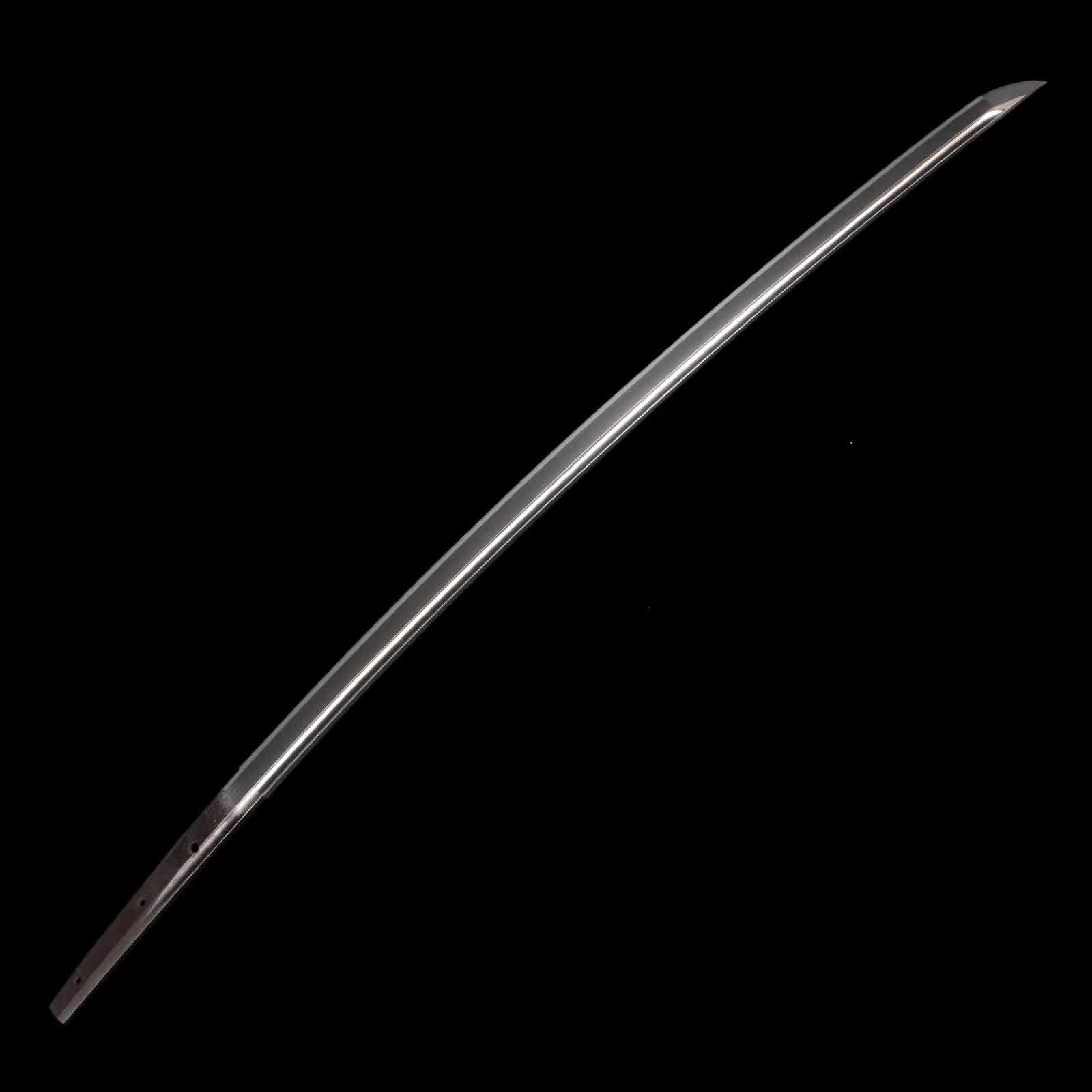
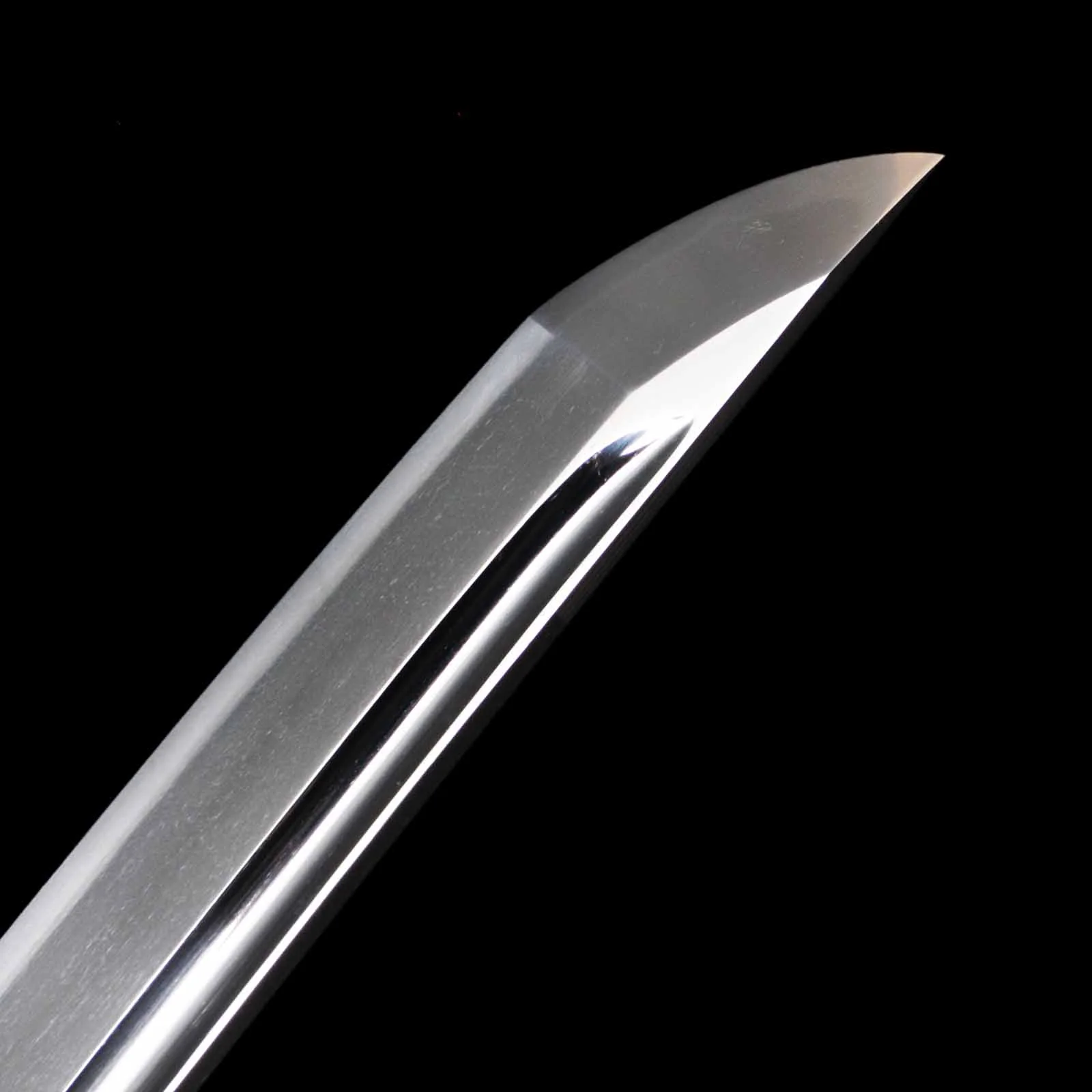
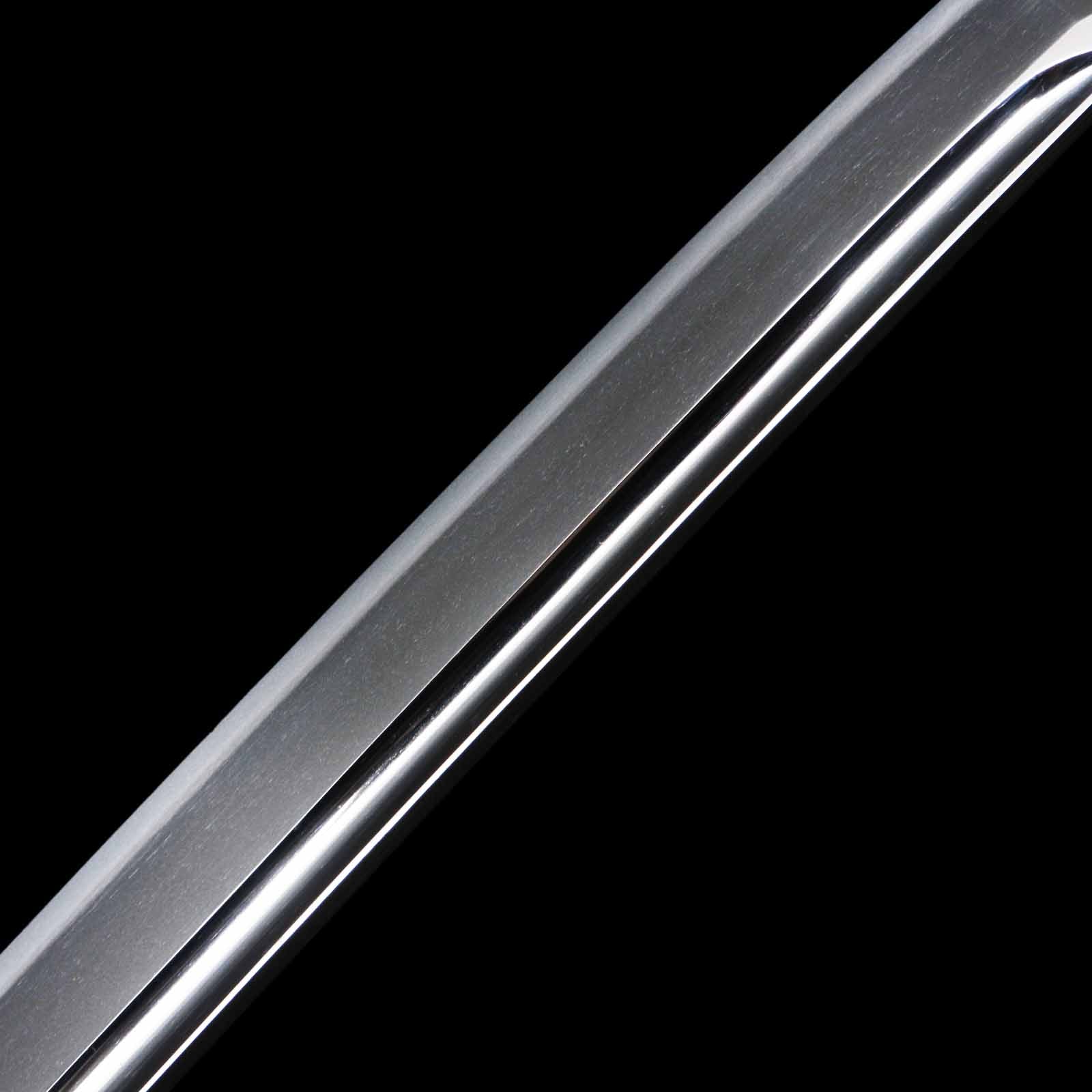
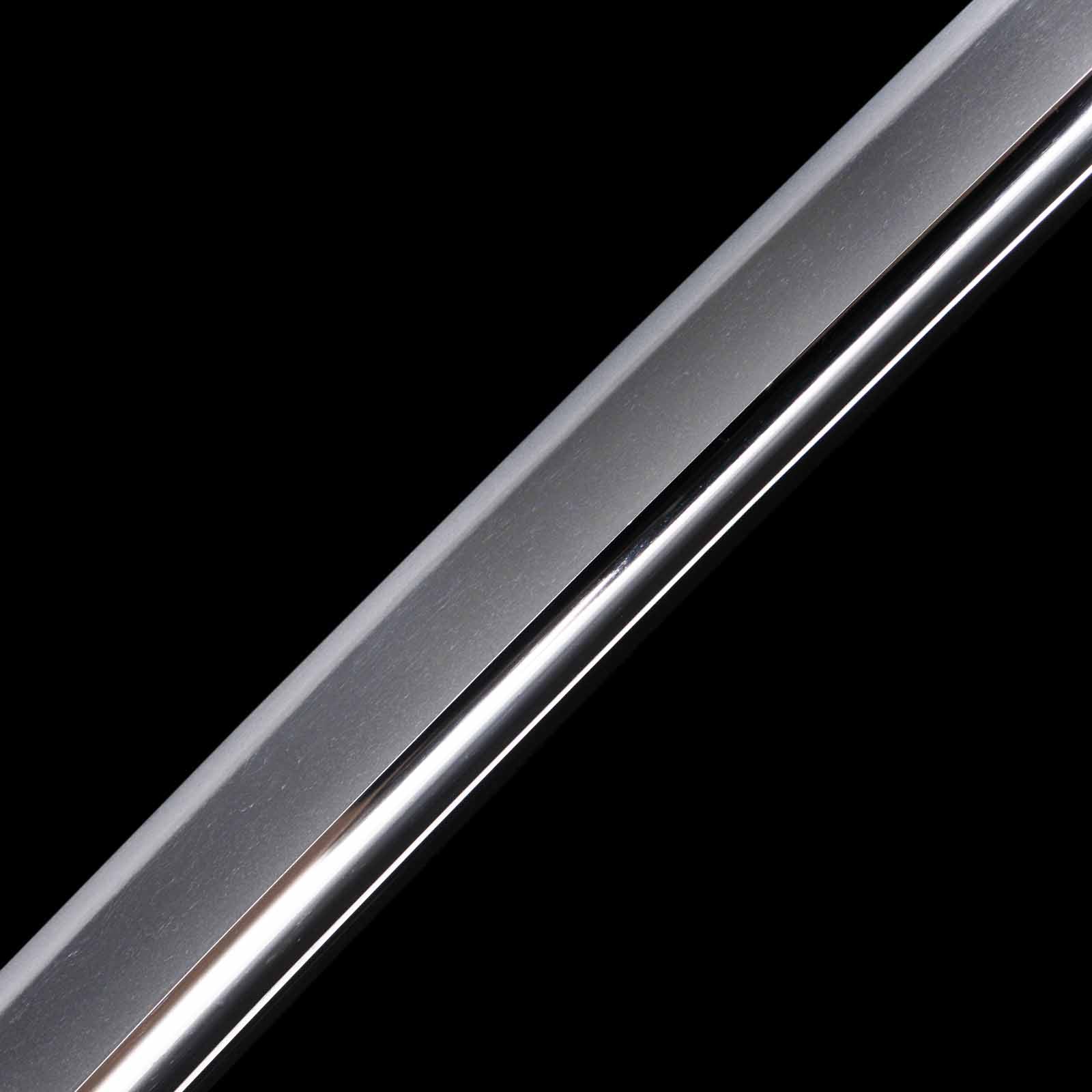
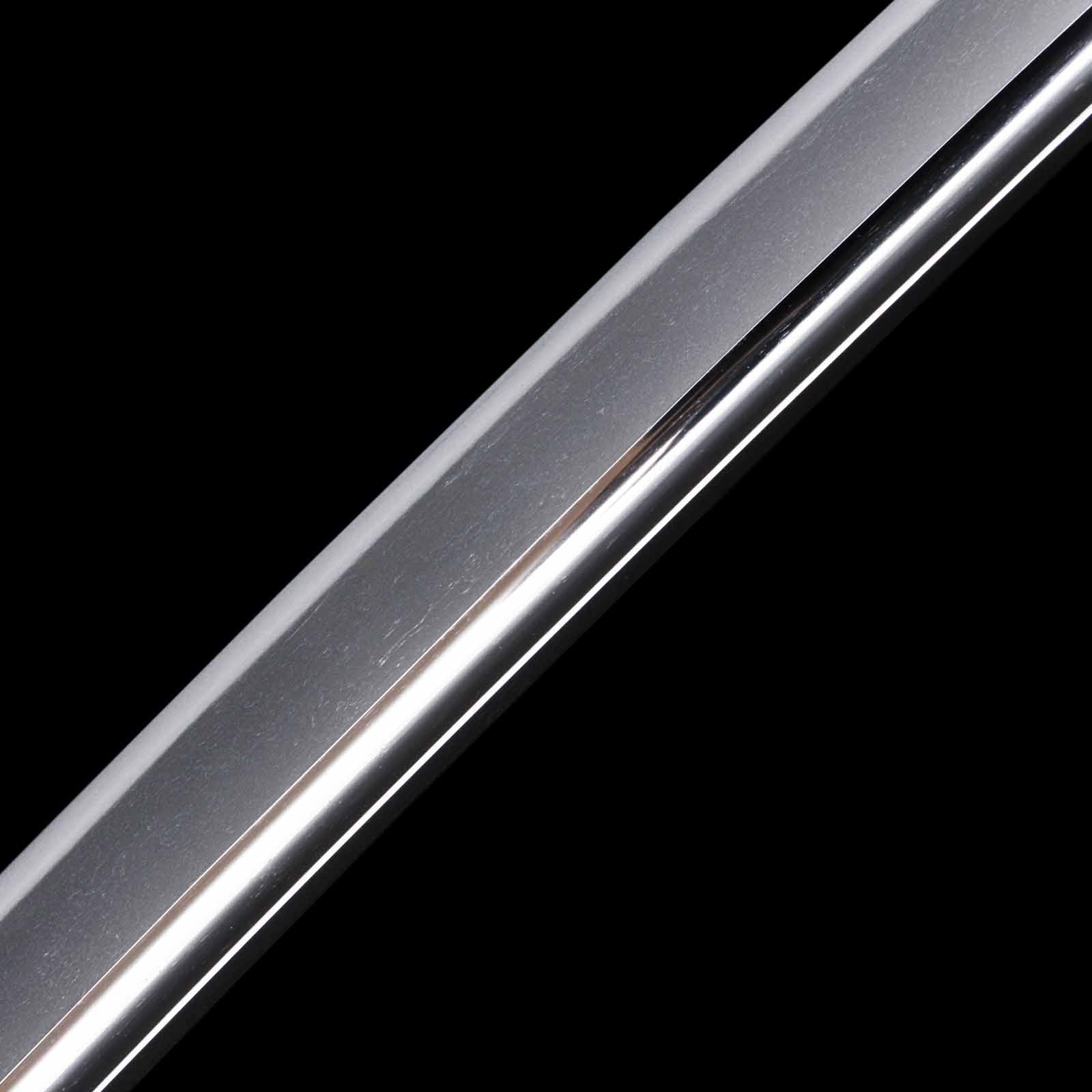
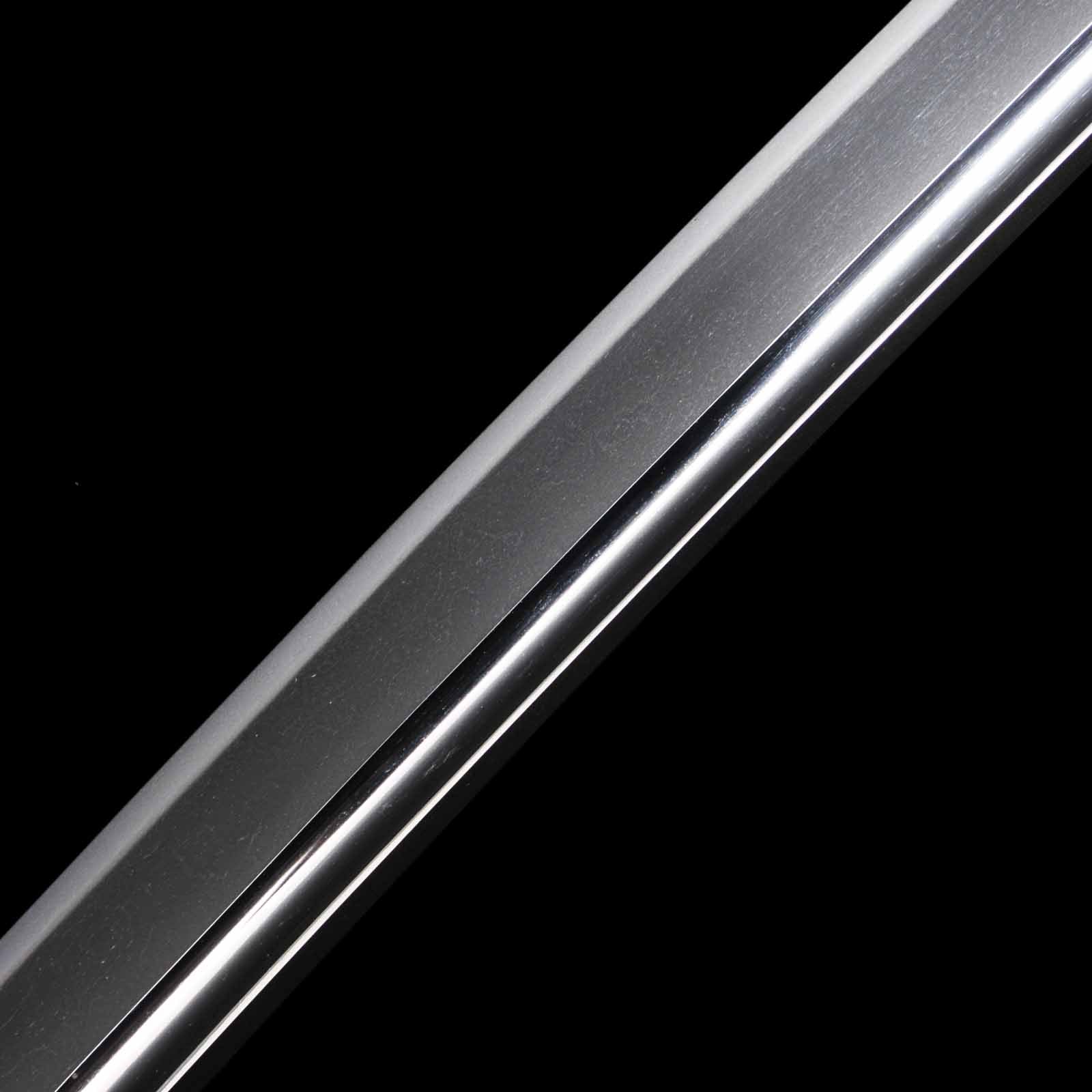
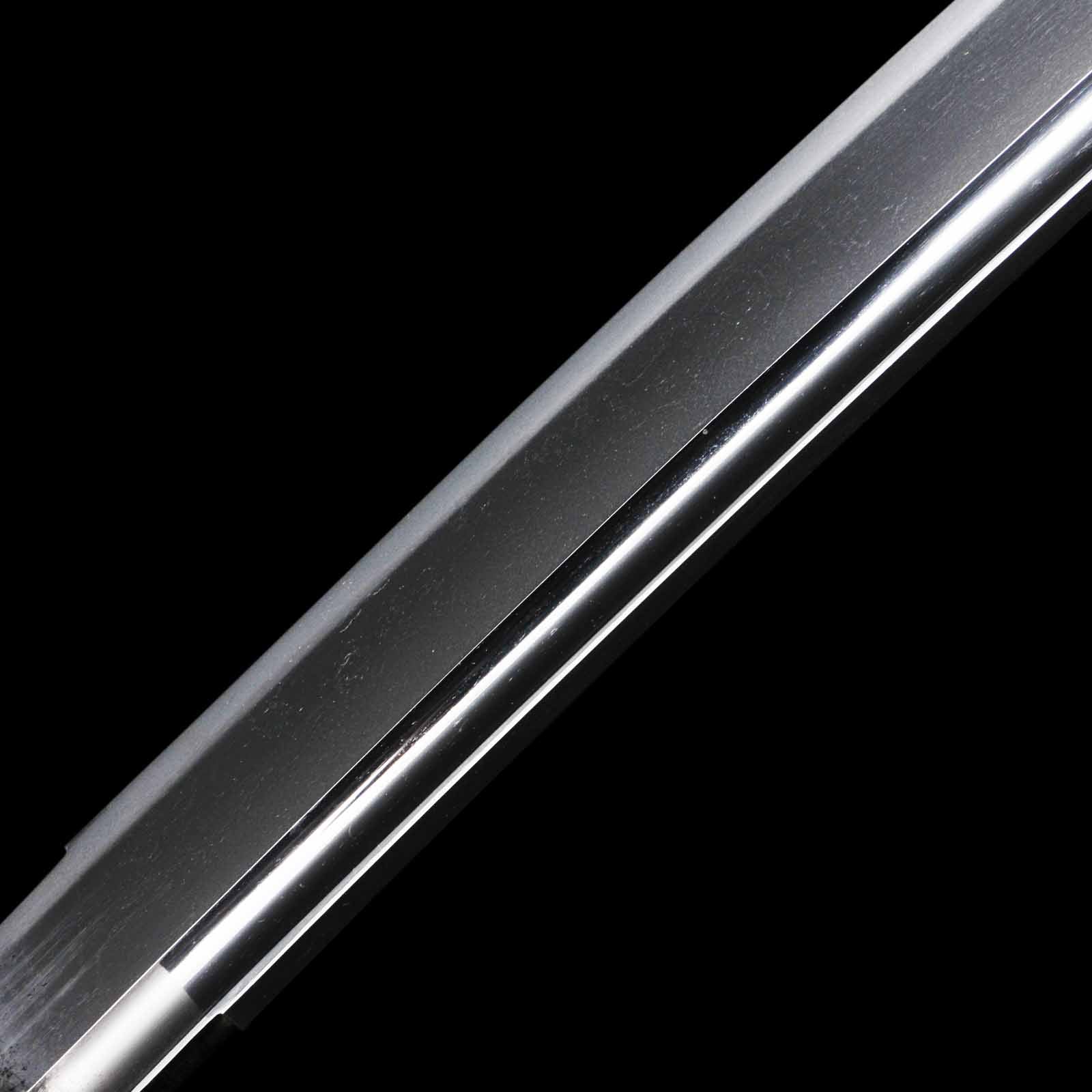
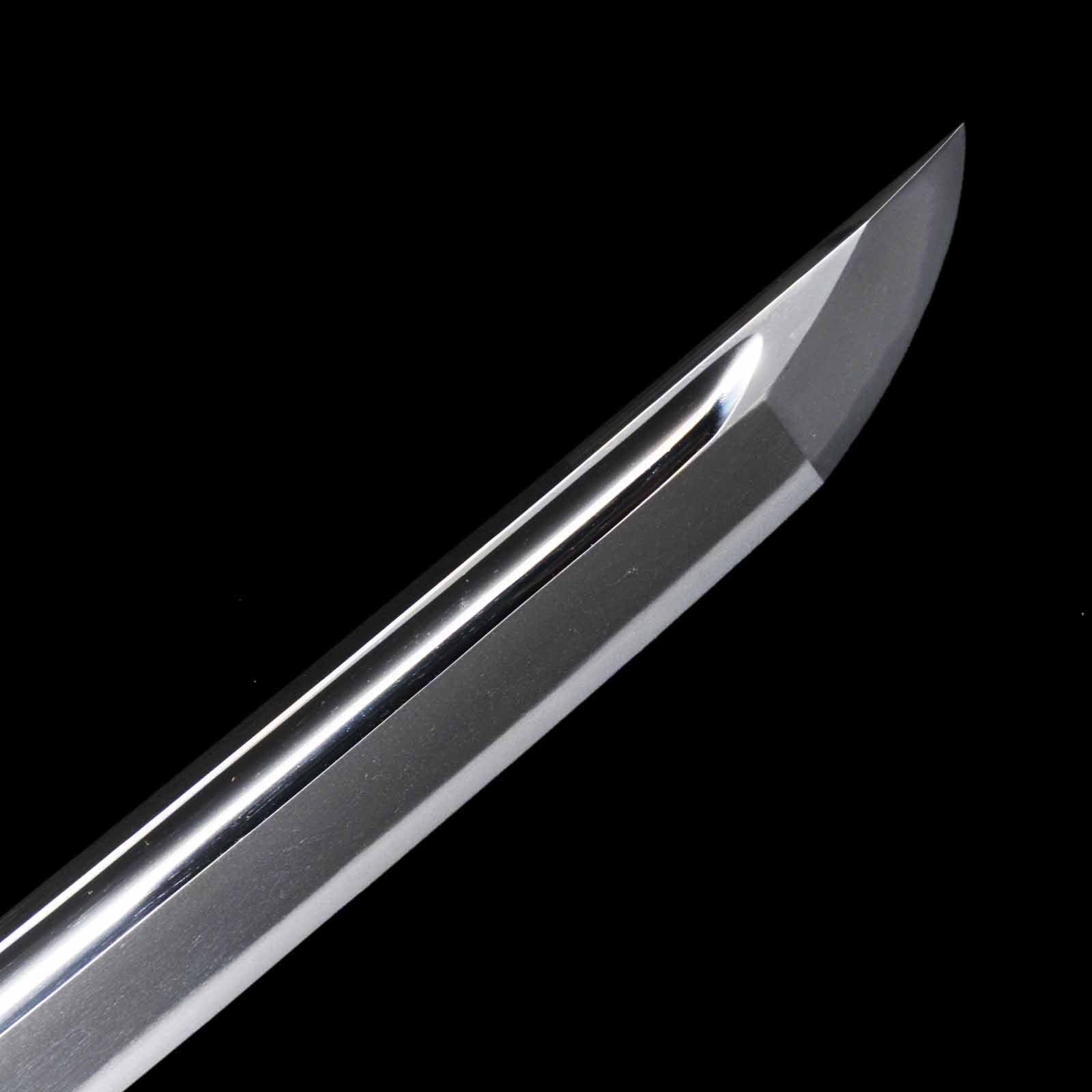
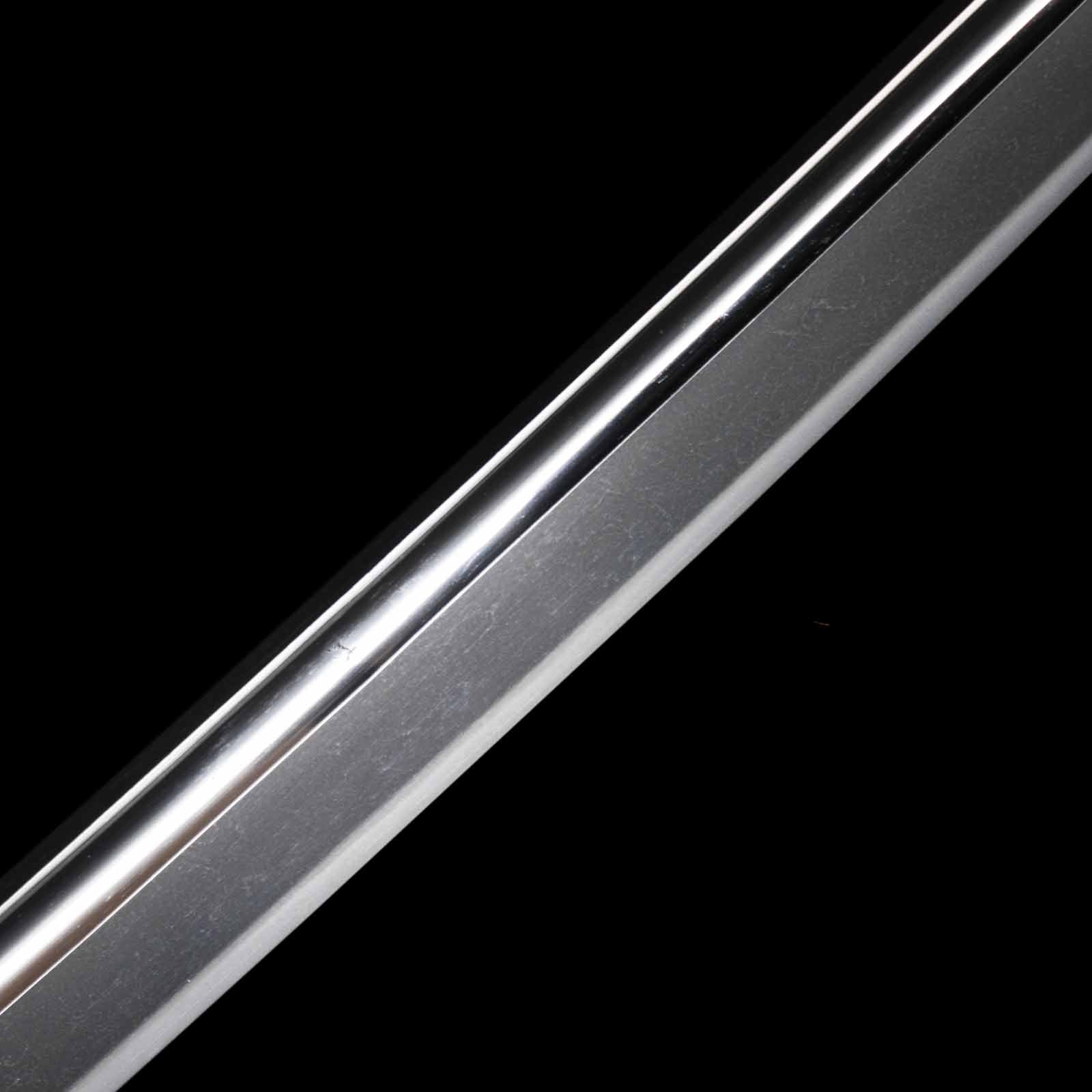
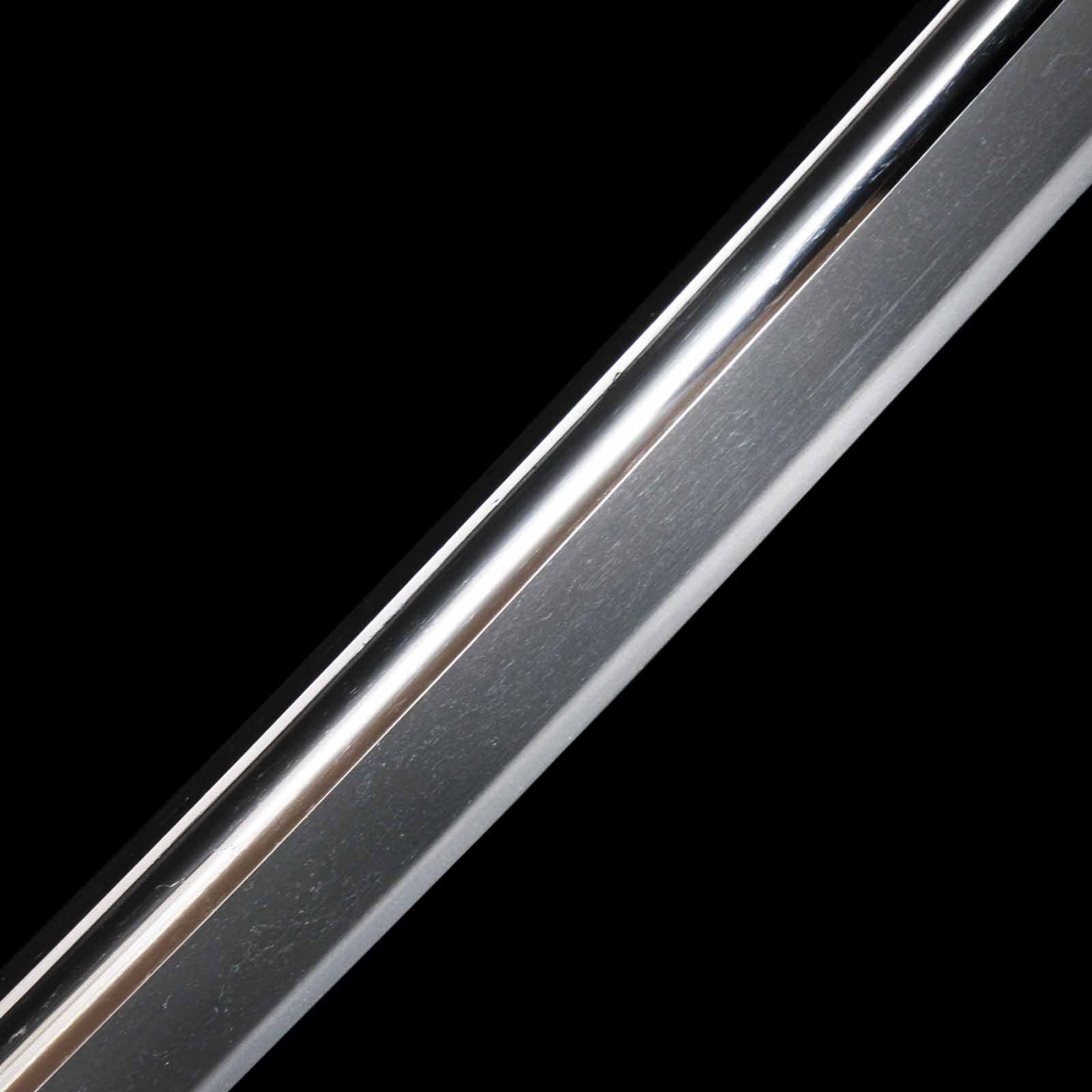
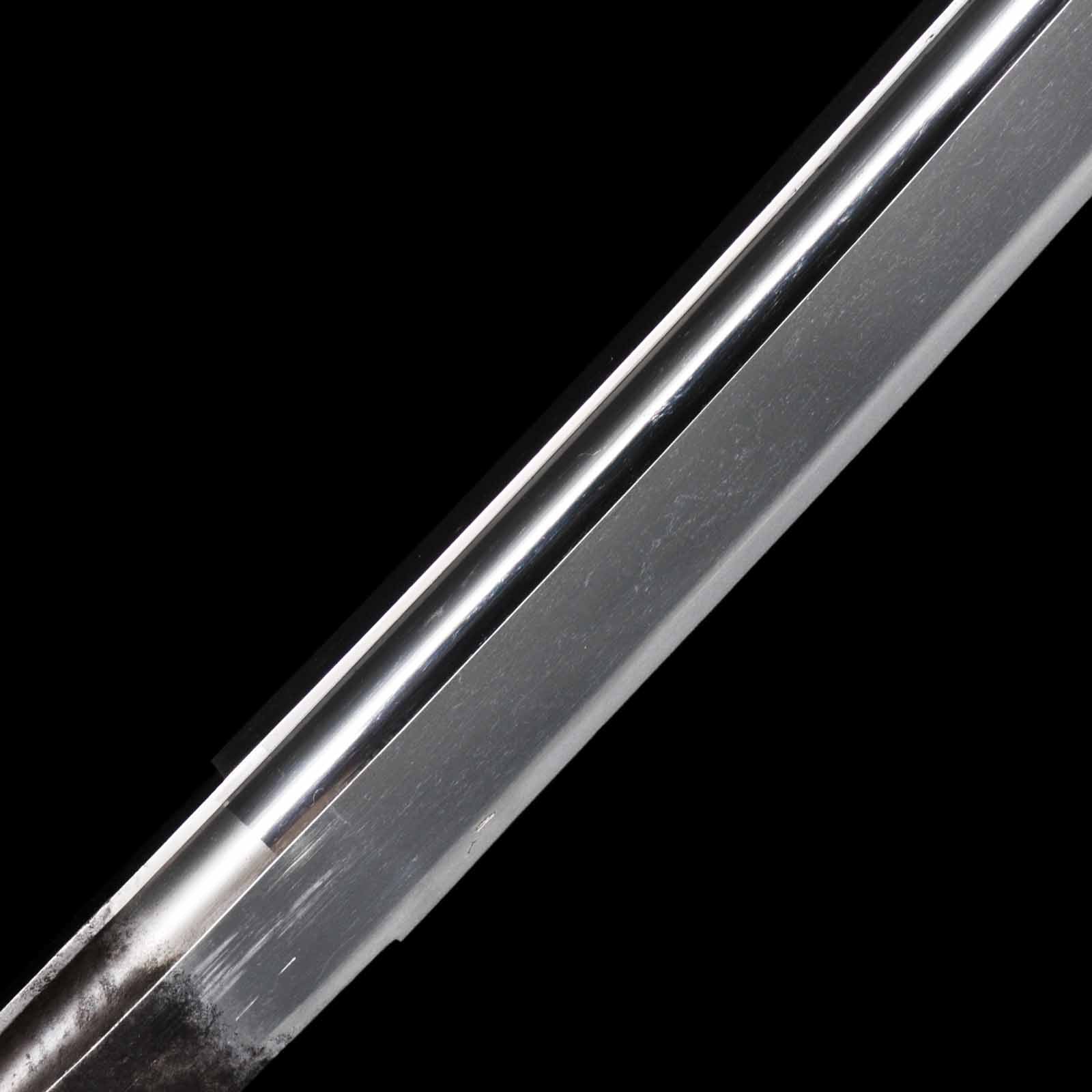
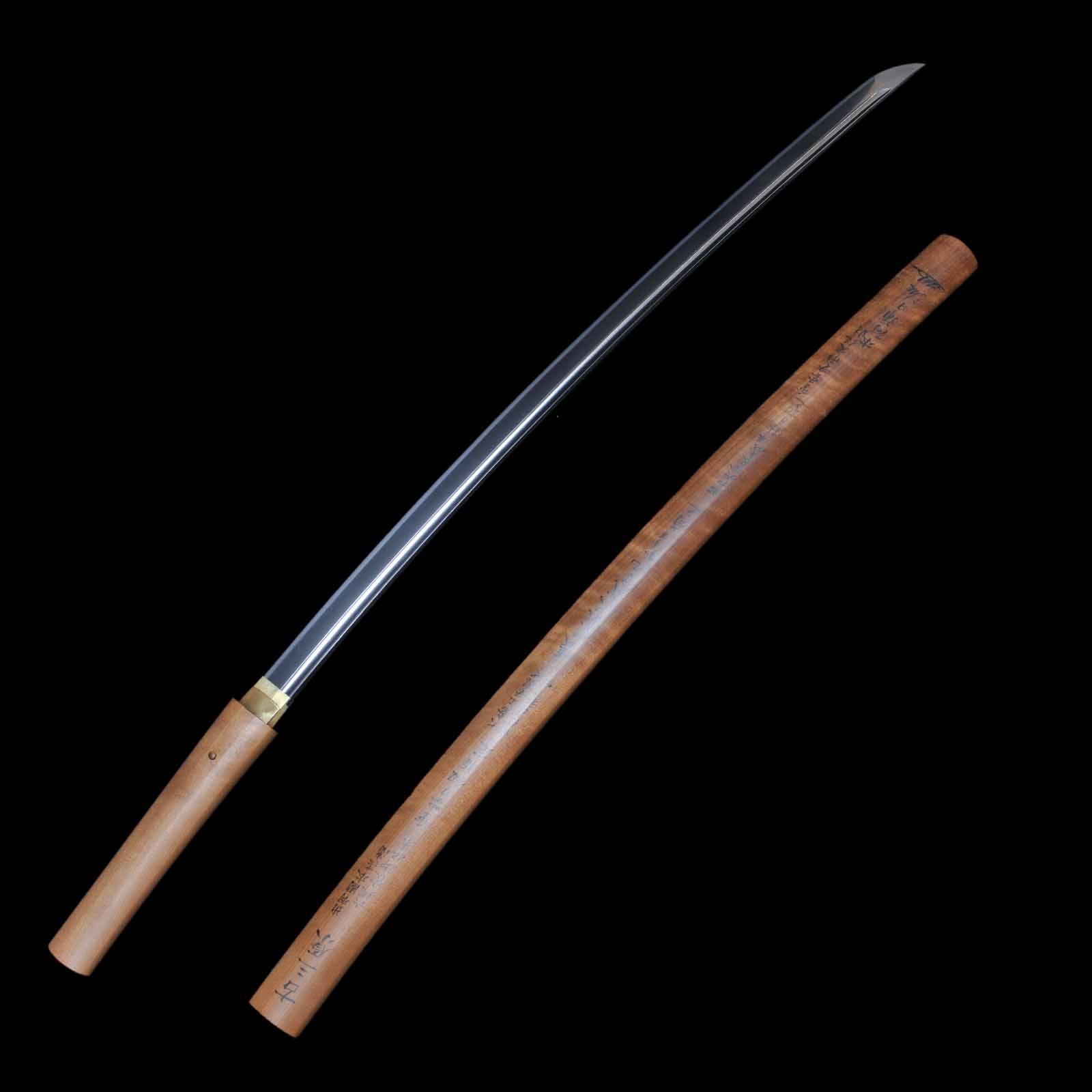
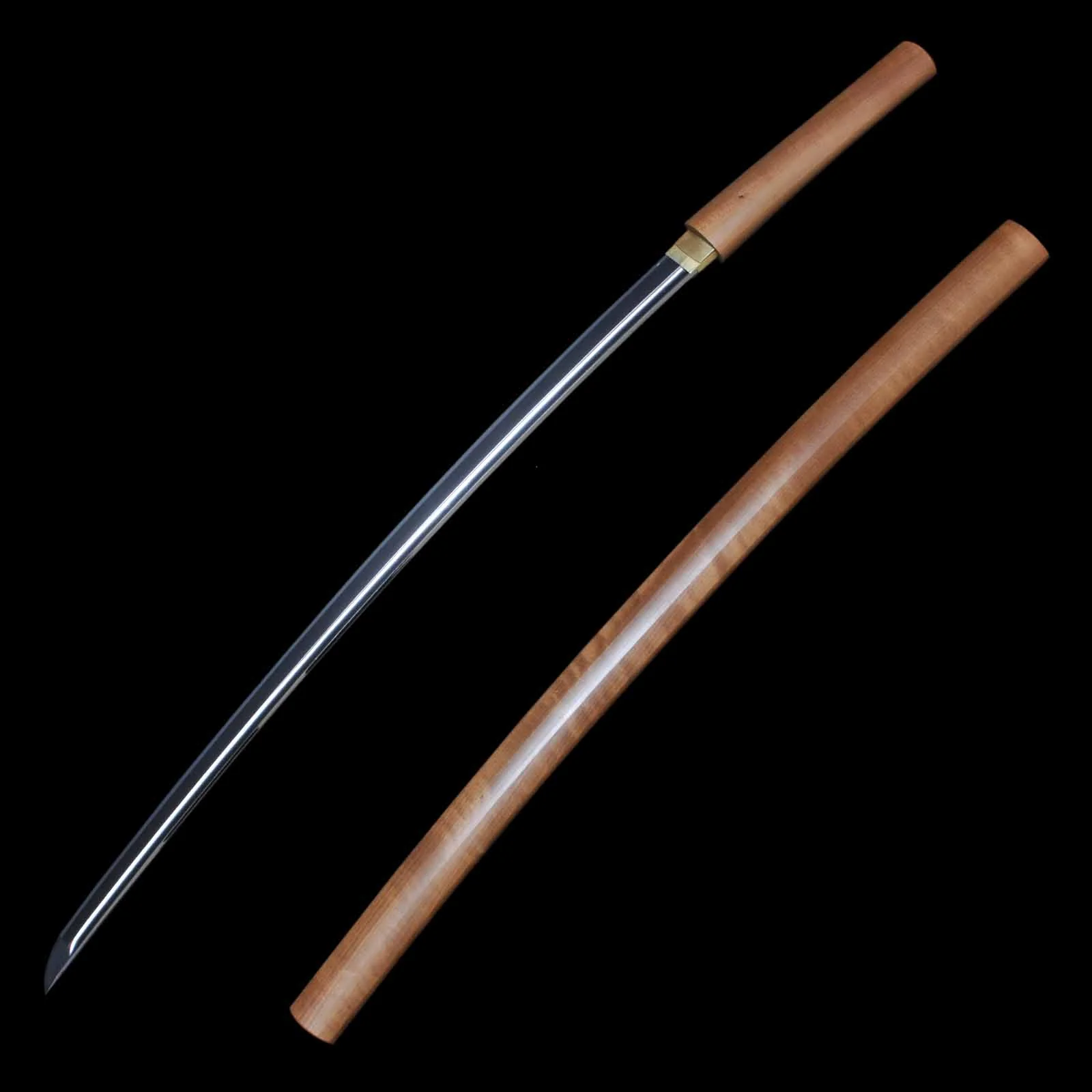
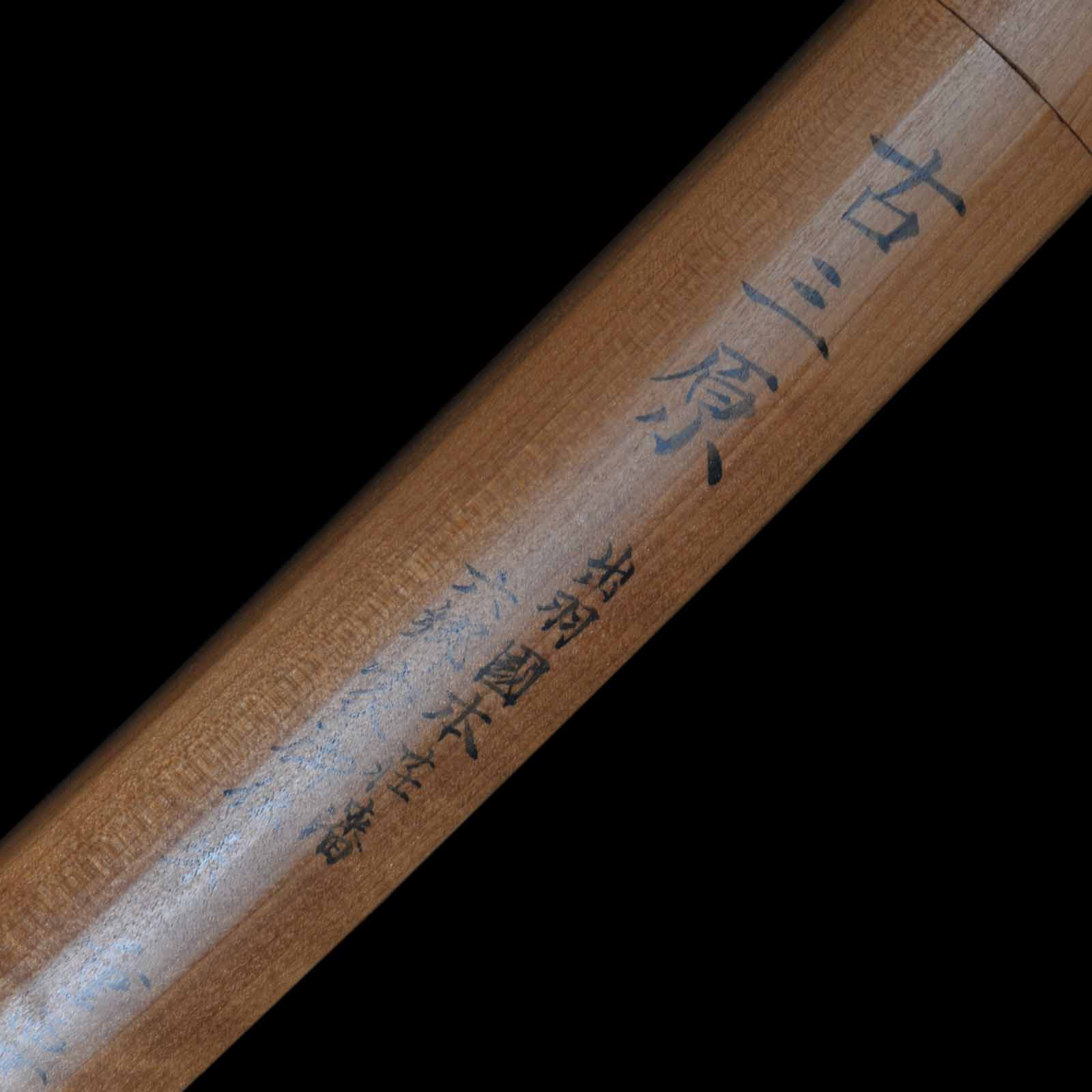
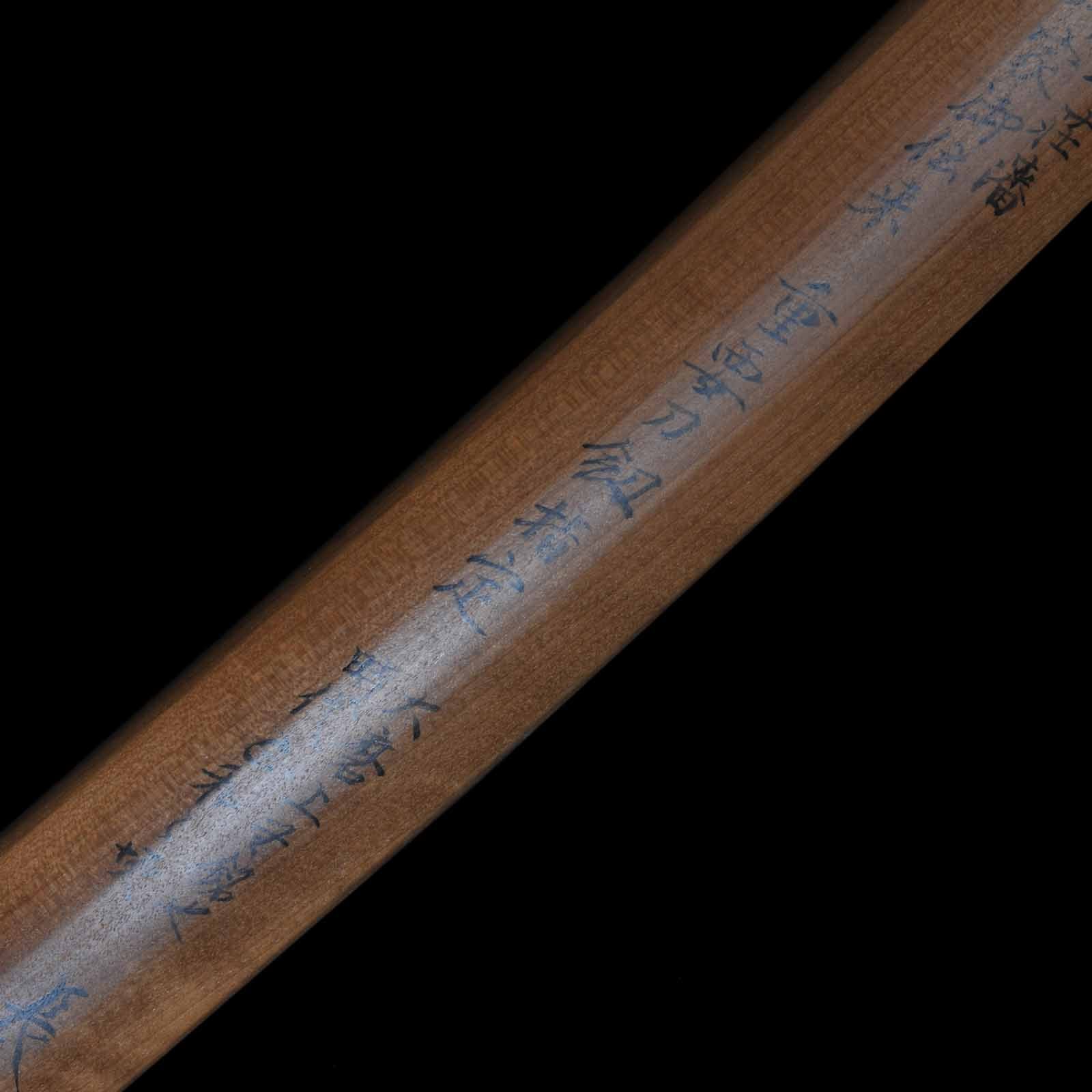
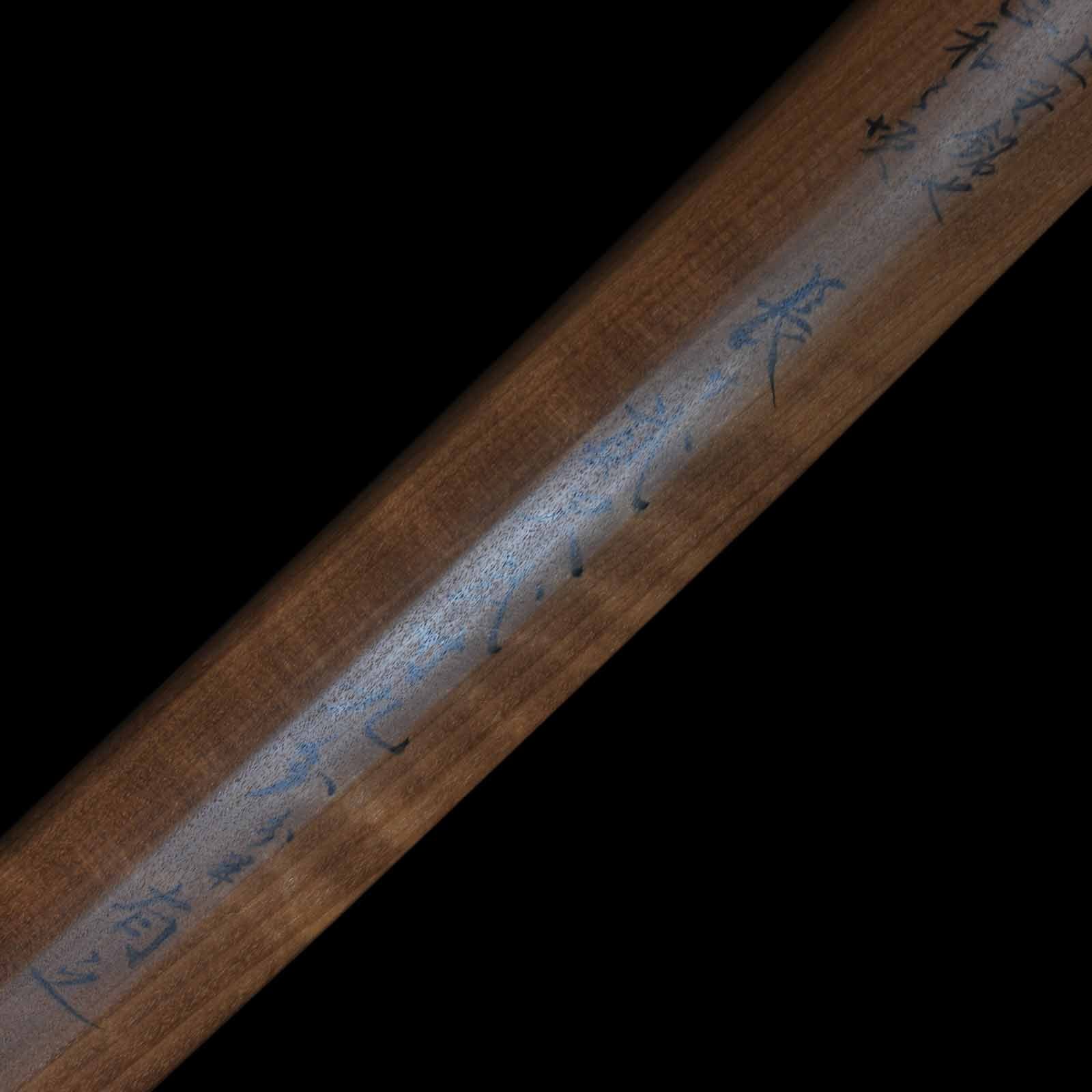
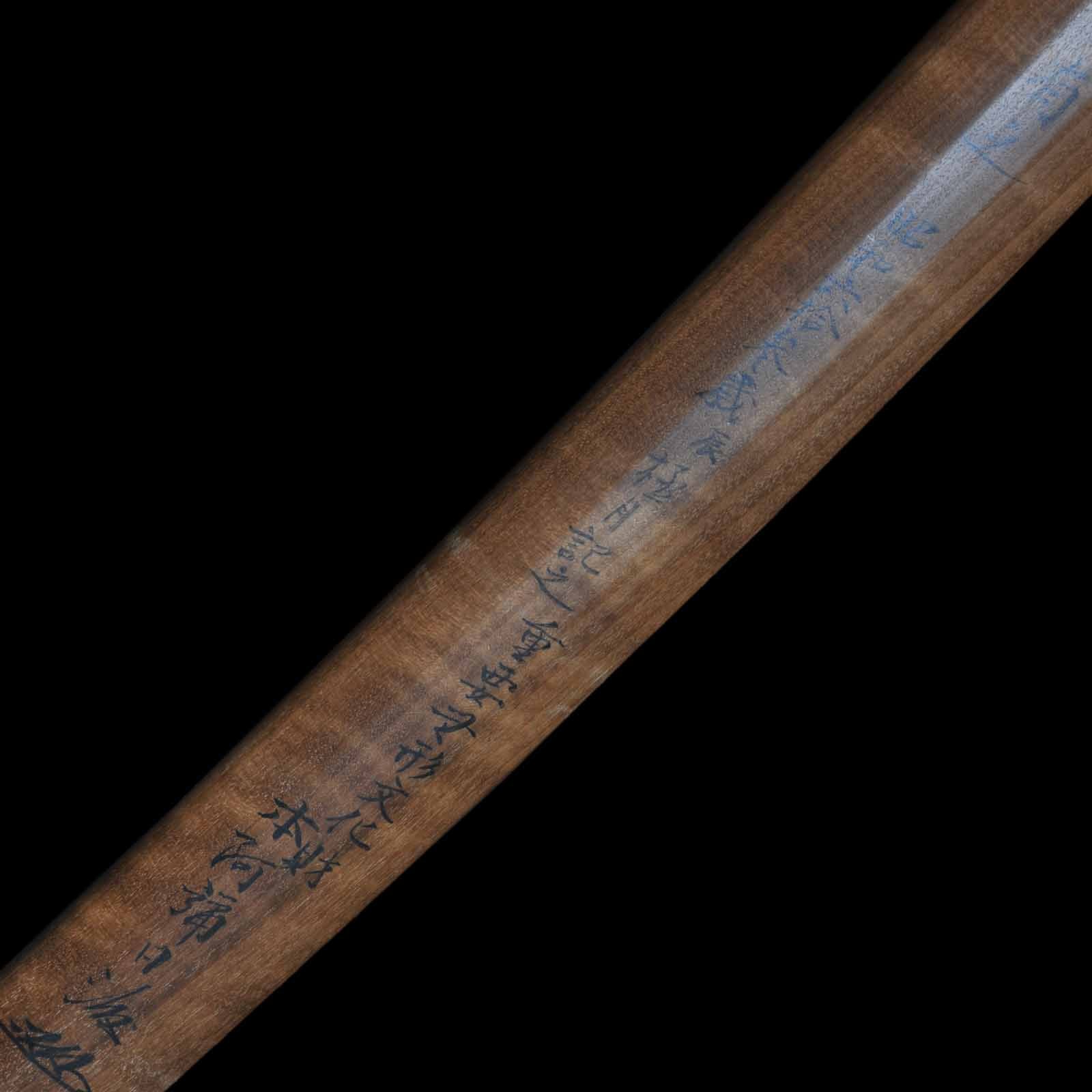
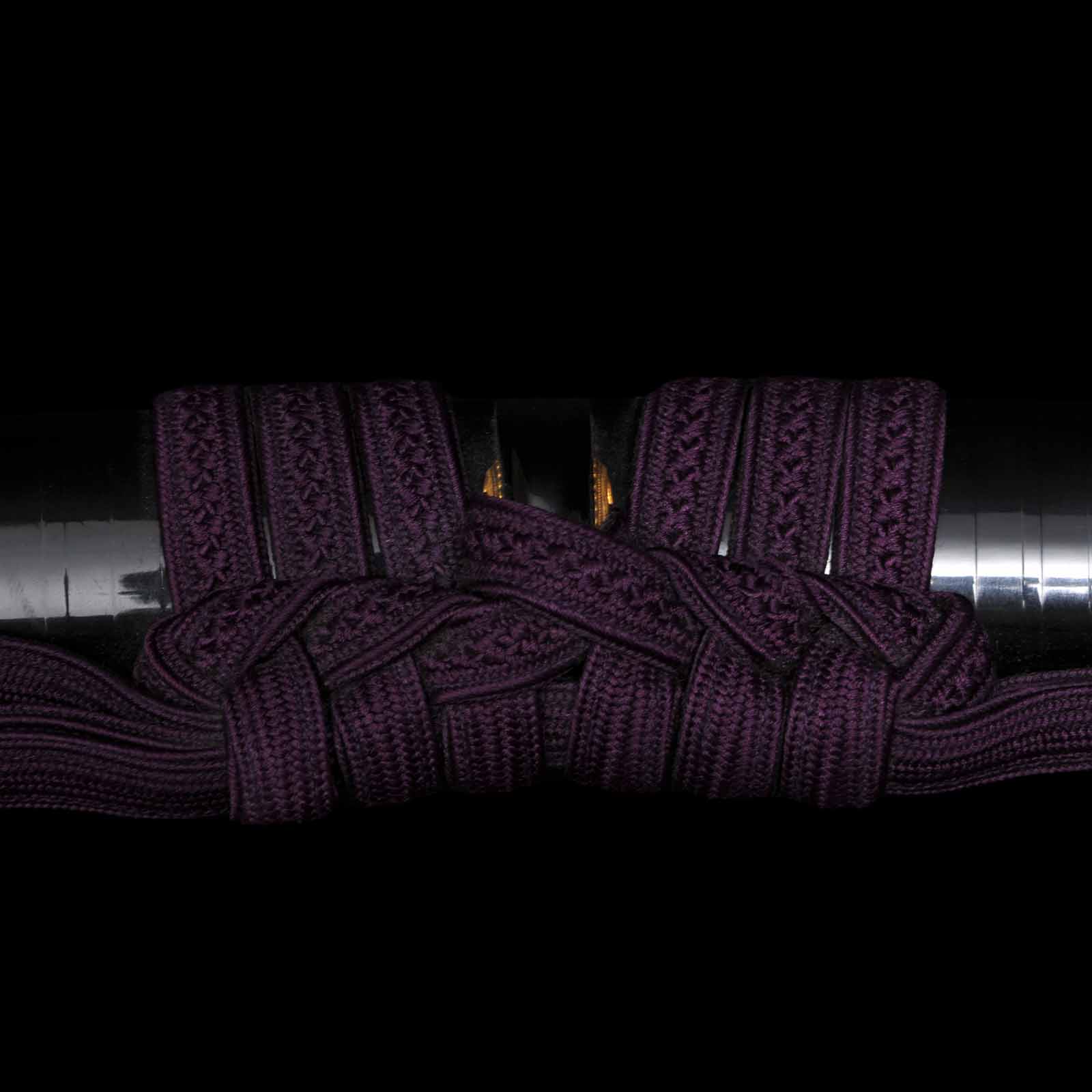
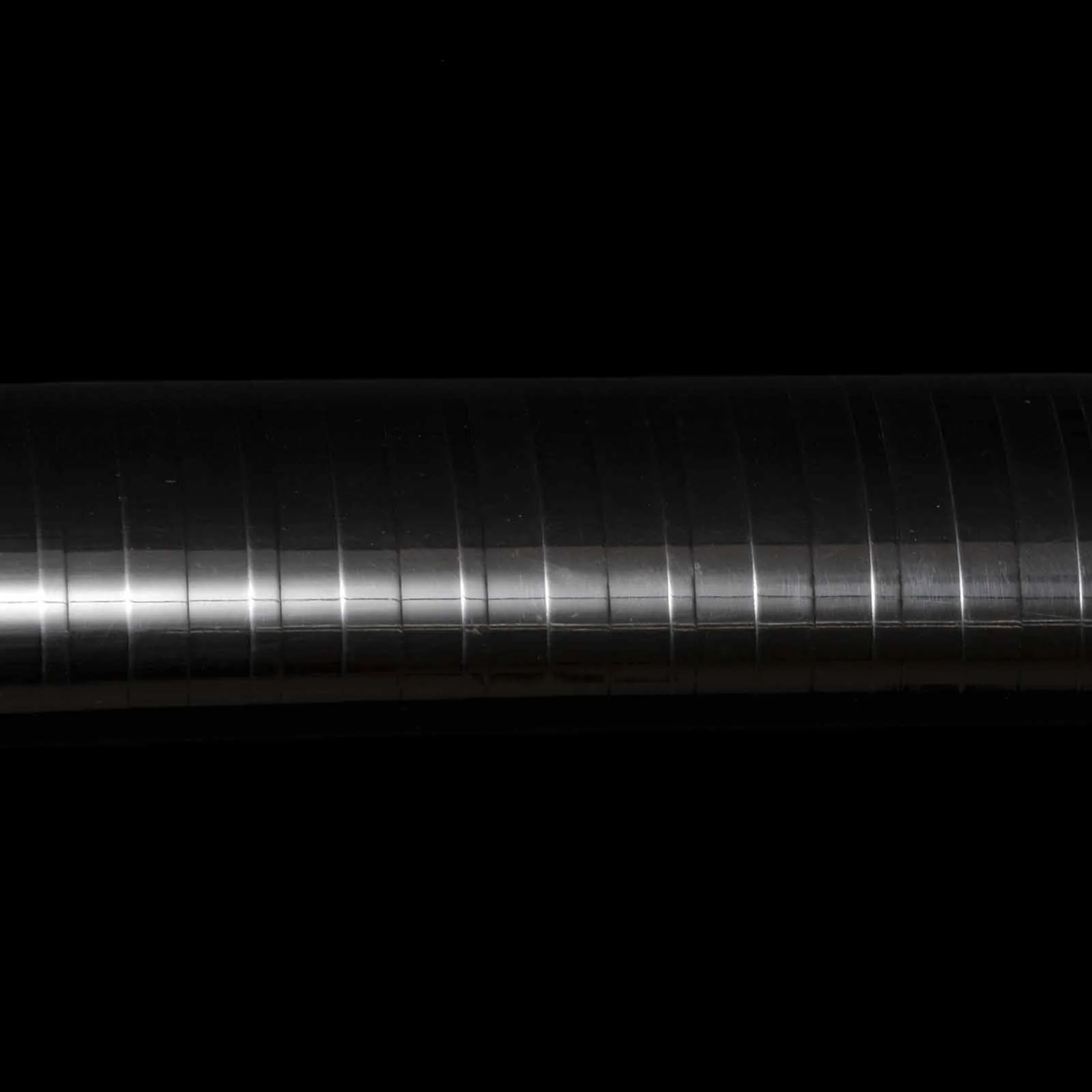
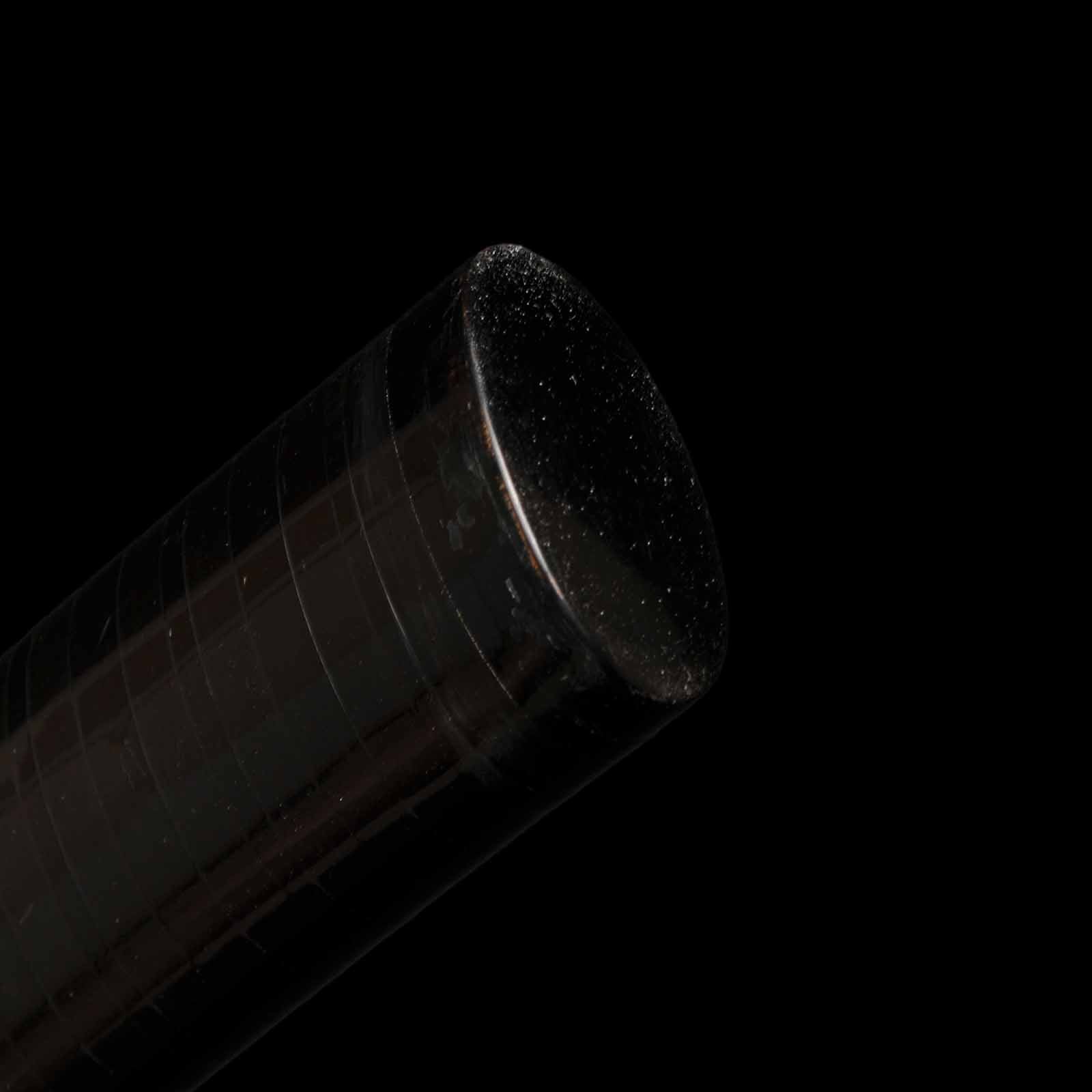
This piece has a wider shinogi, and a hada with some mokume mixed in with masame, with hoso-suguha hamon. The boshi is arced in a shallow komaru. On the scabbard, the Hon'ami, the most prestigious and renowned sword appraiser, has identified this sword as a work of Komihara and has written a detailed description of it.
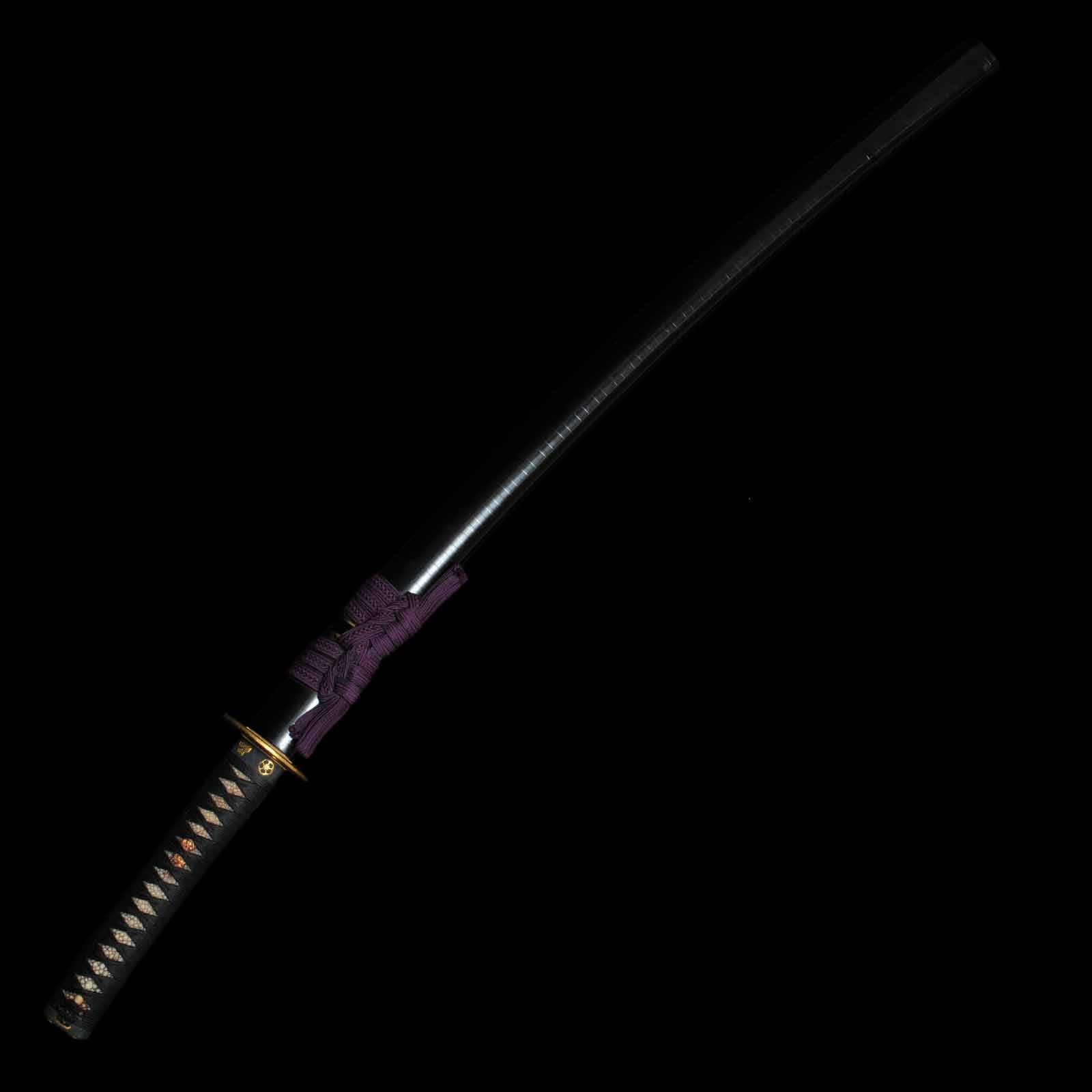
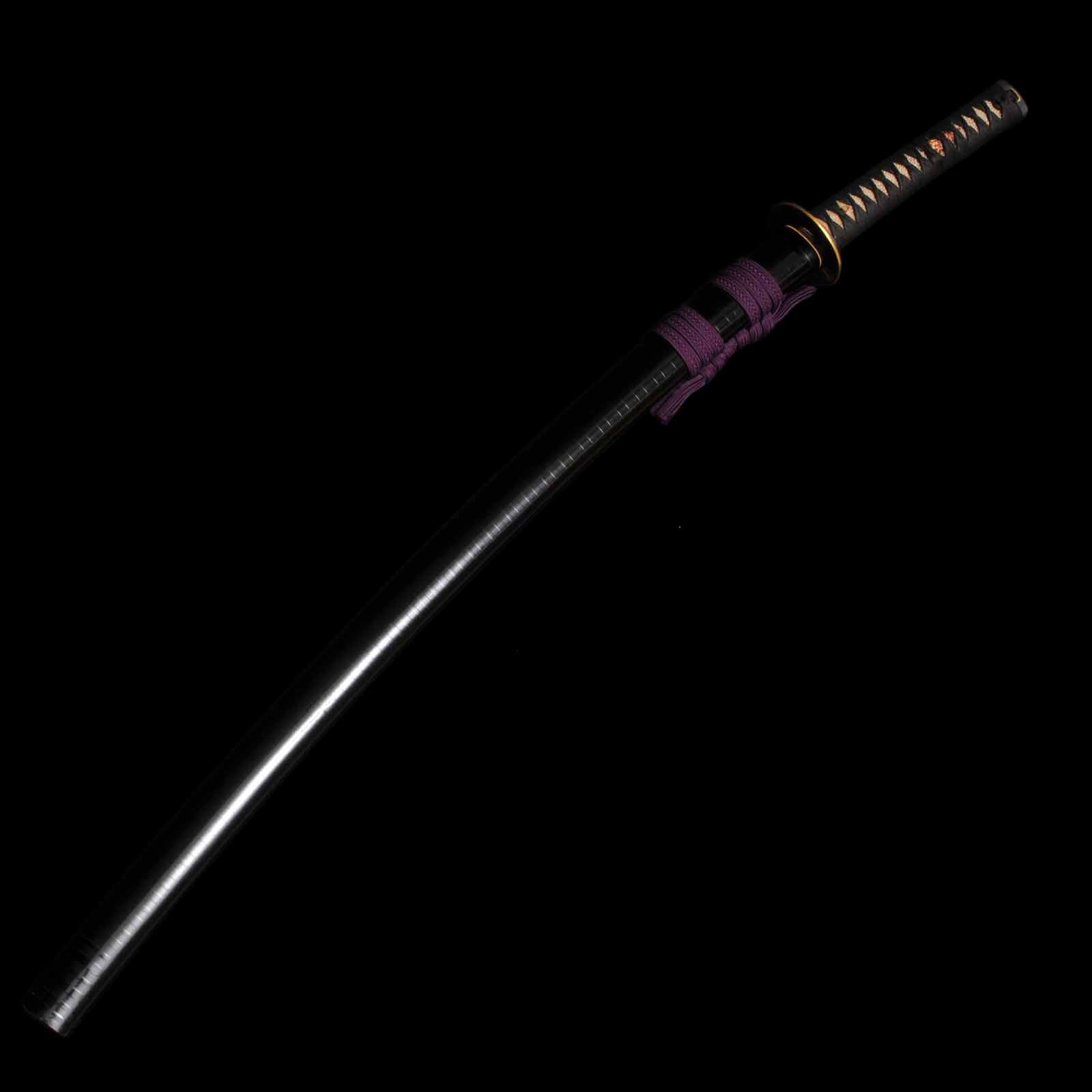
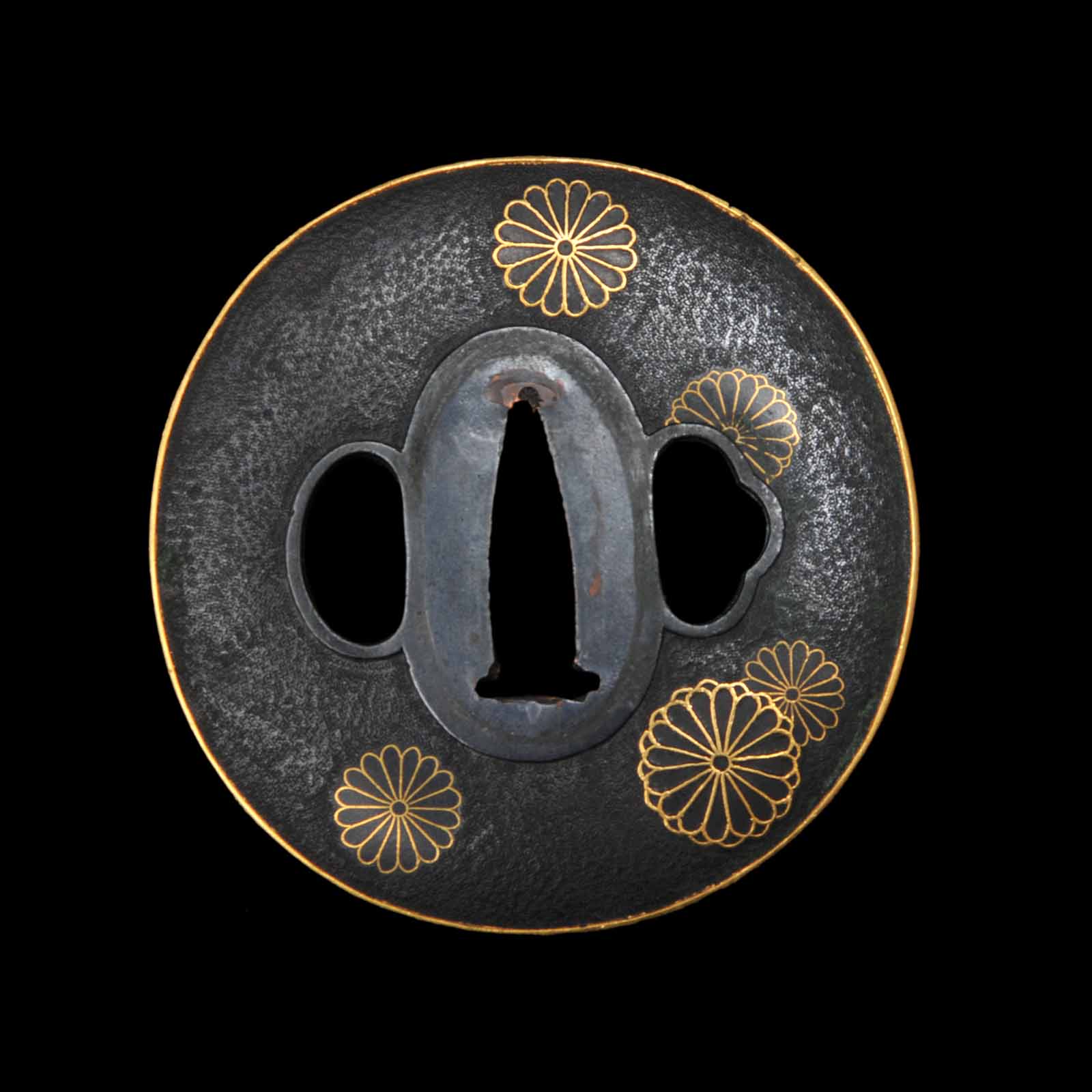
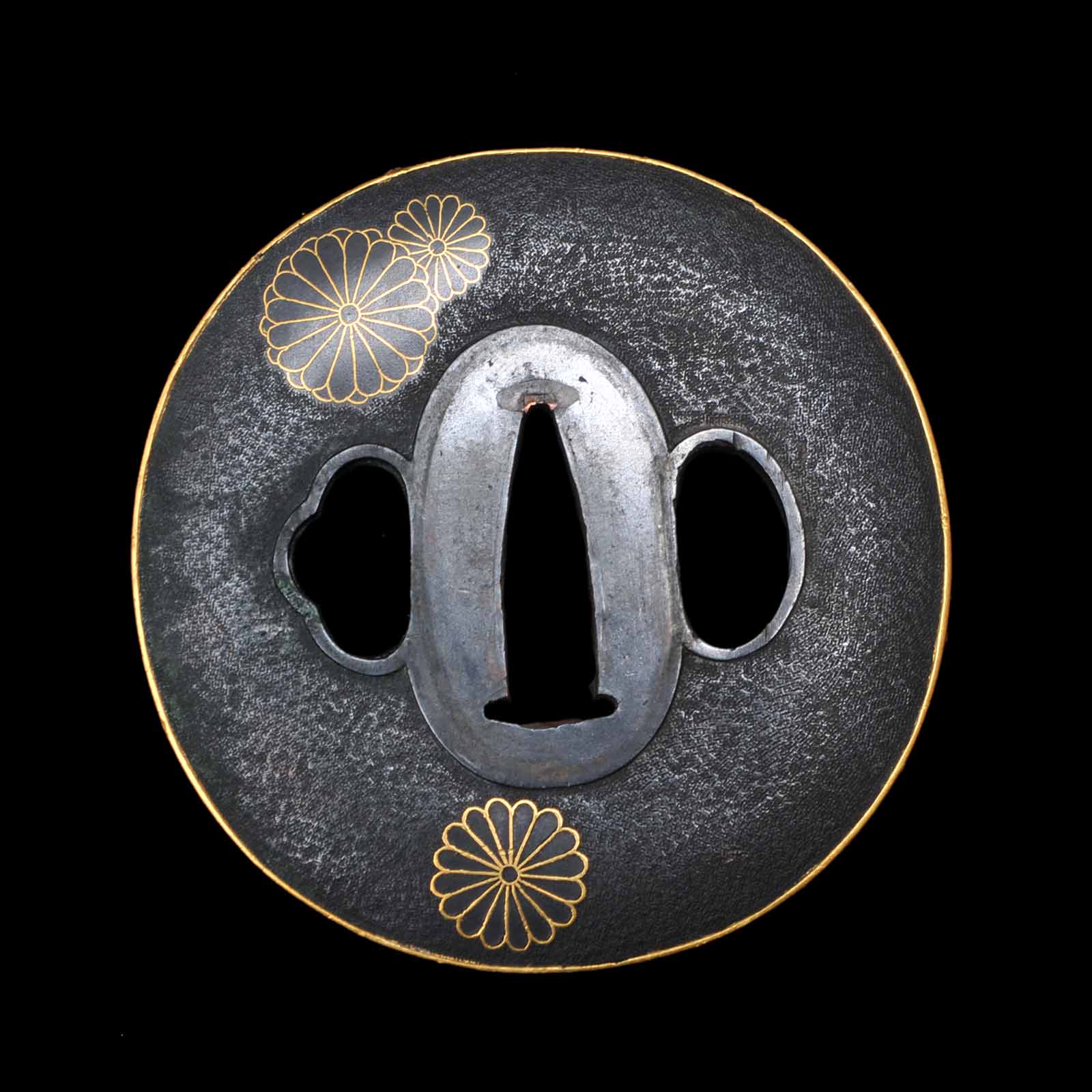
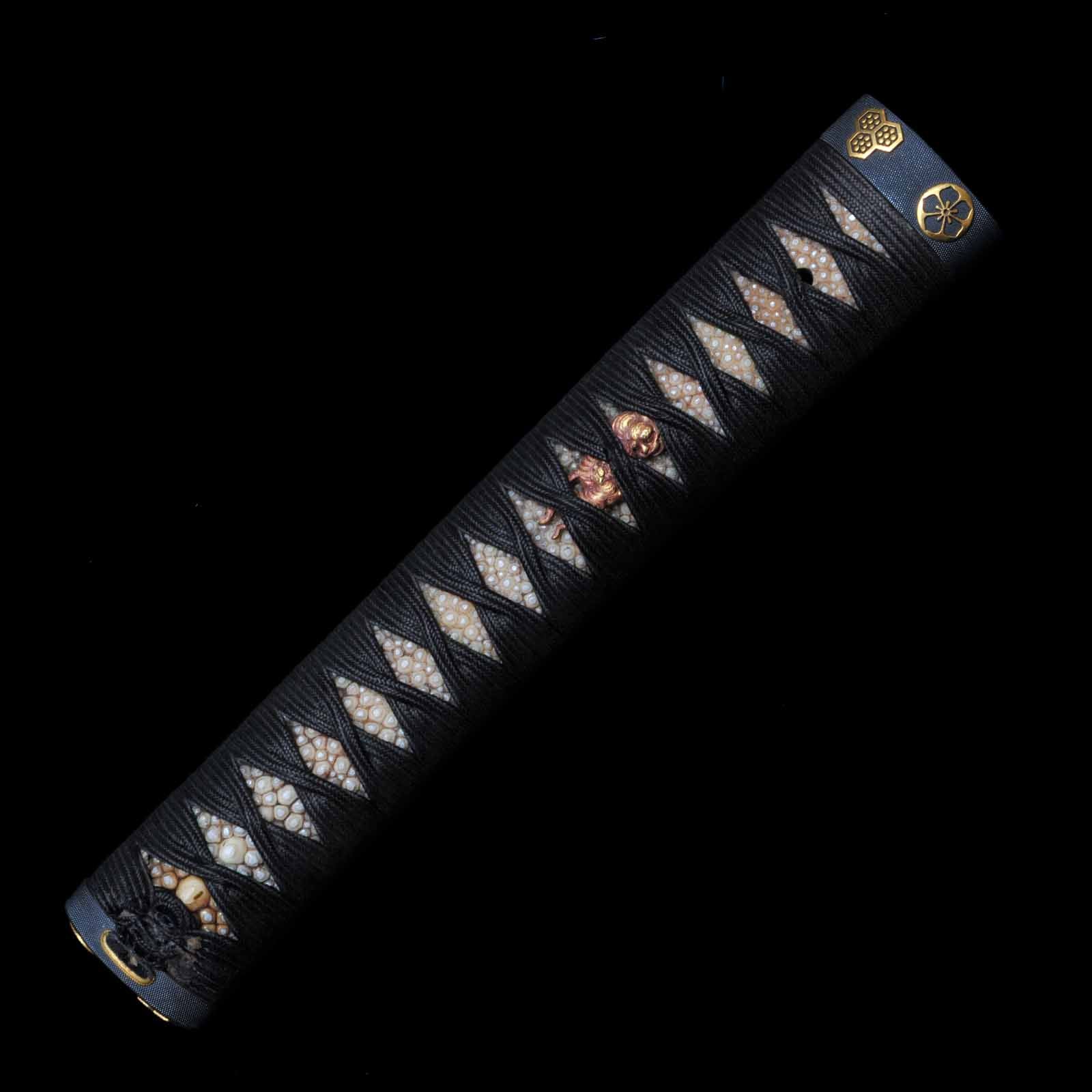
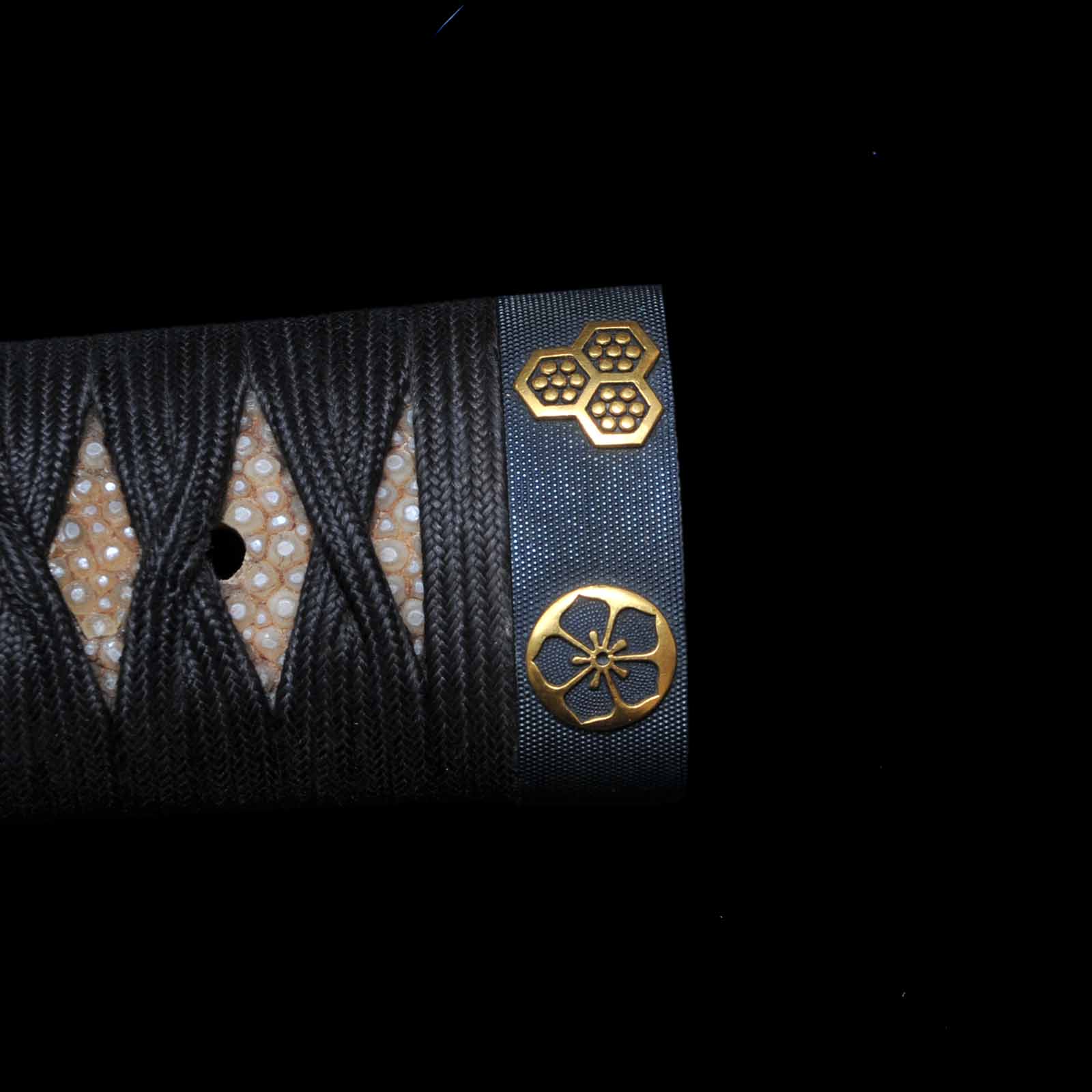
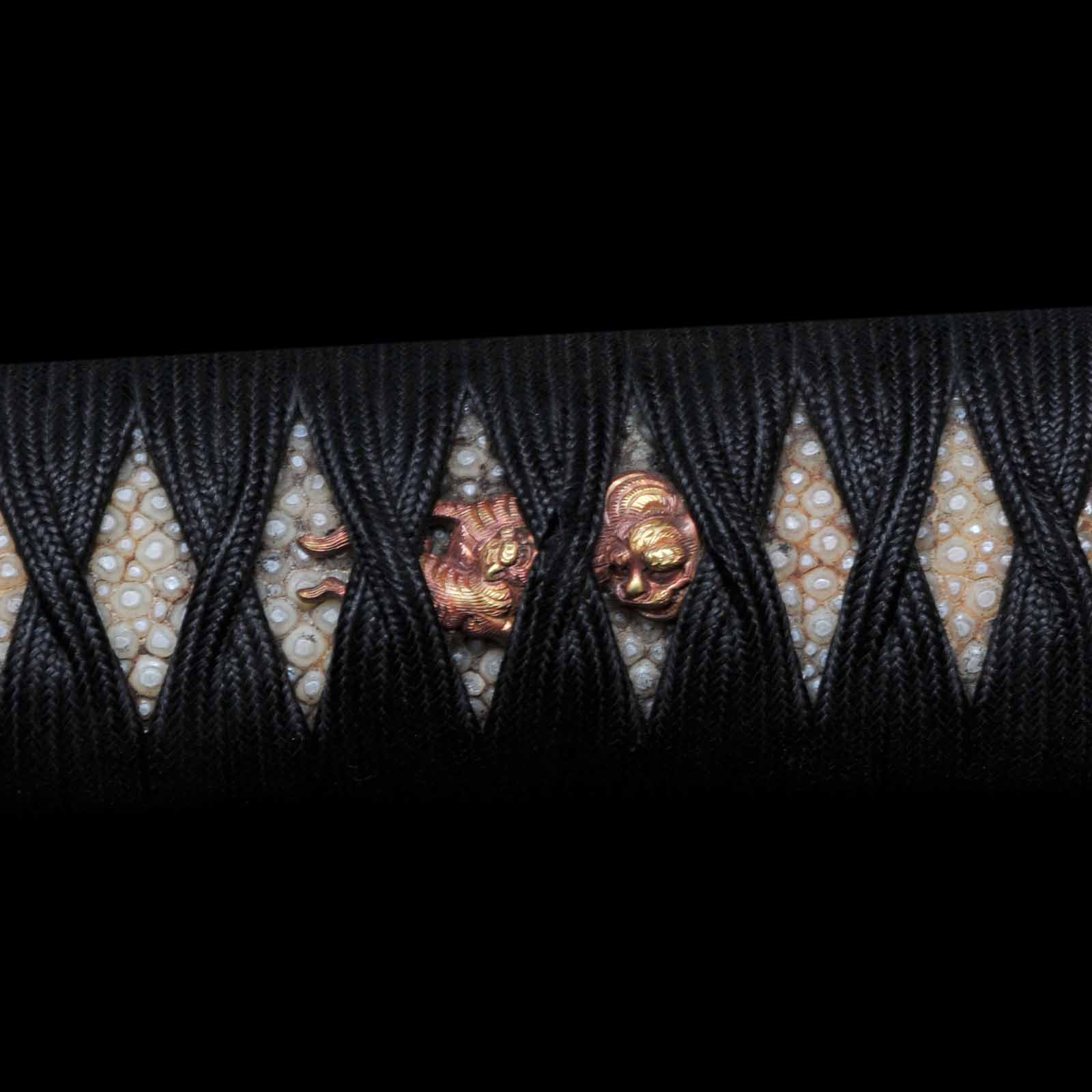
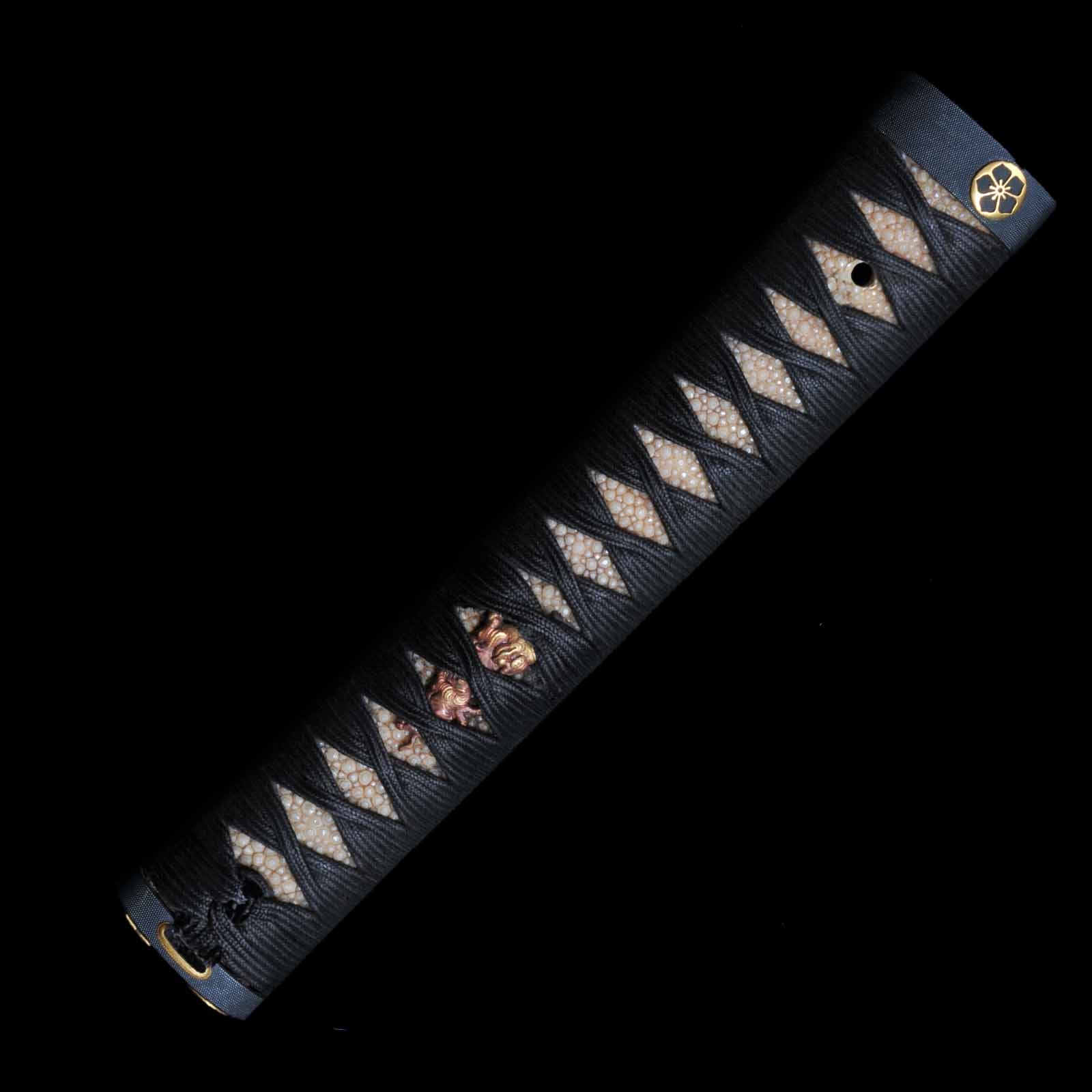
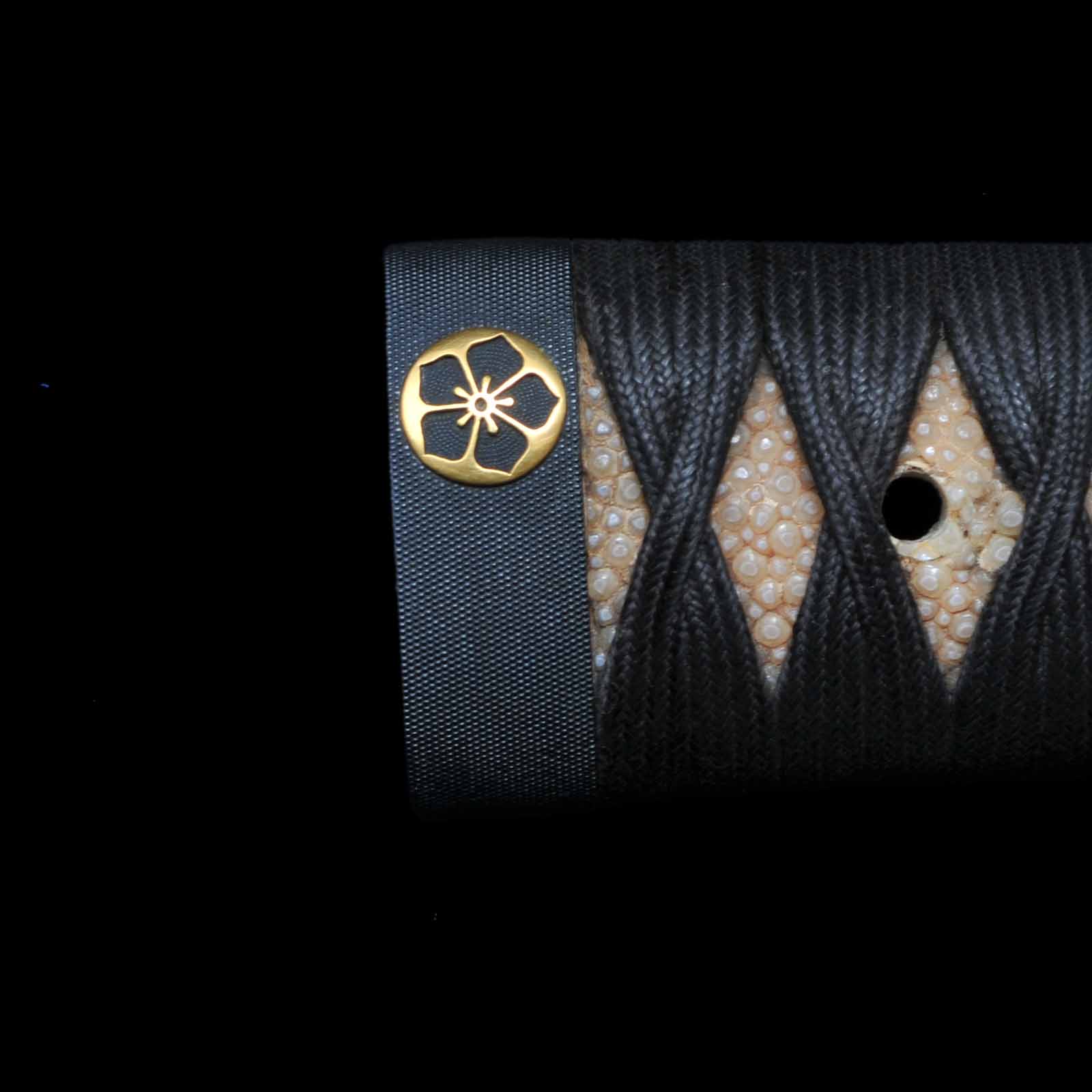
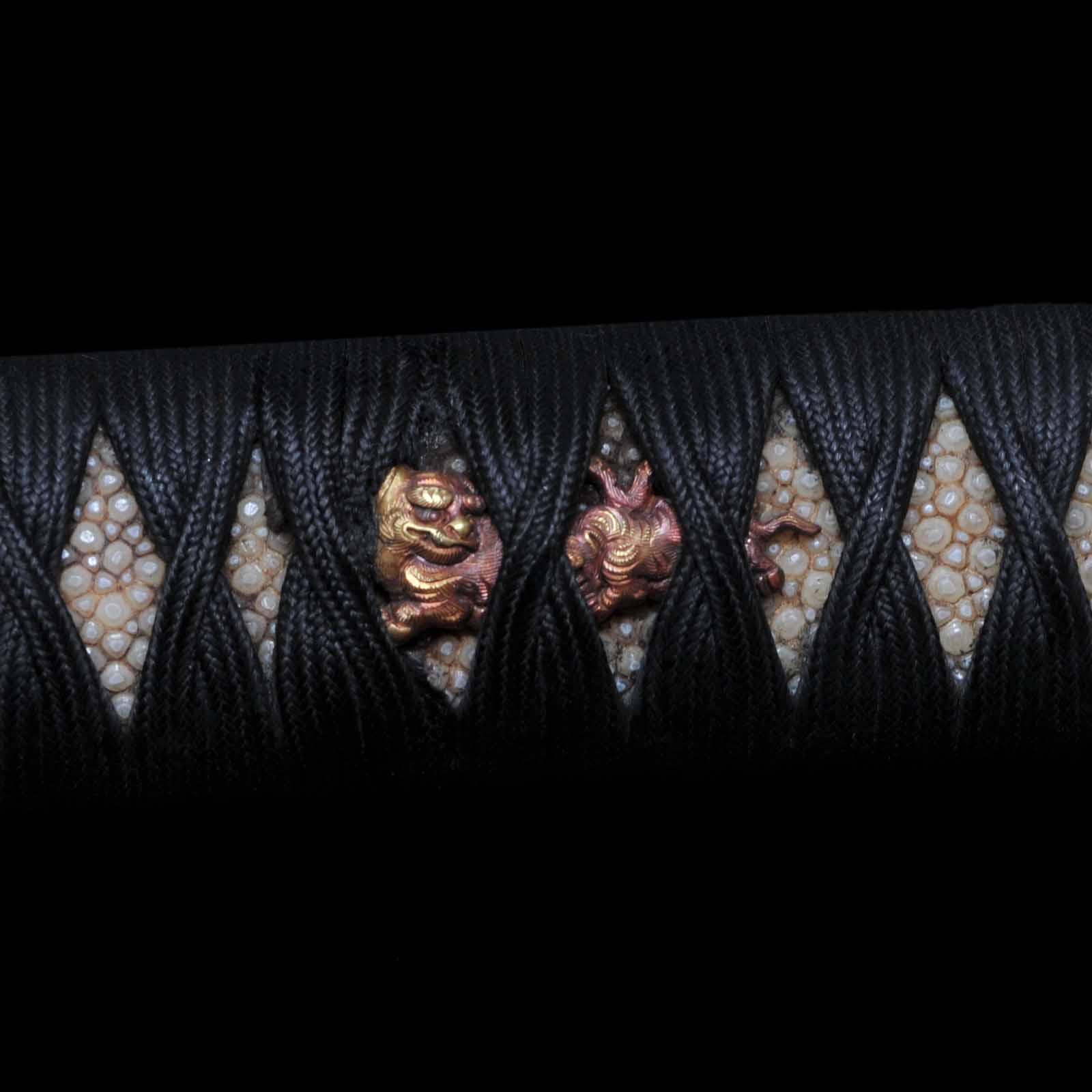
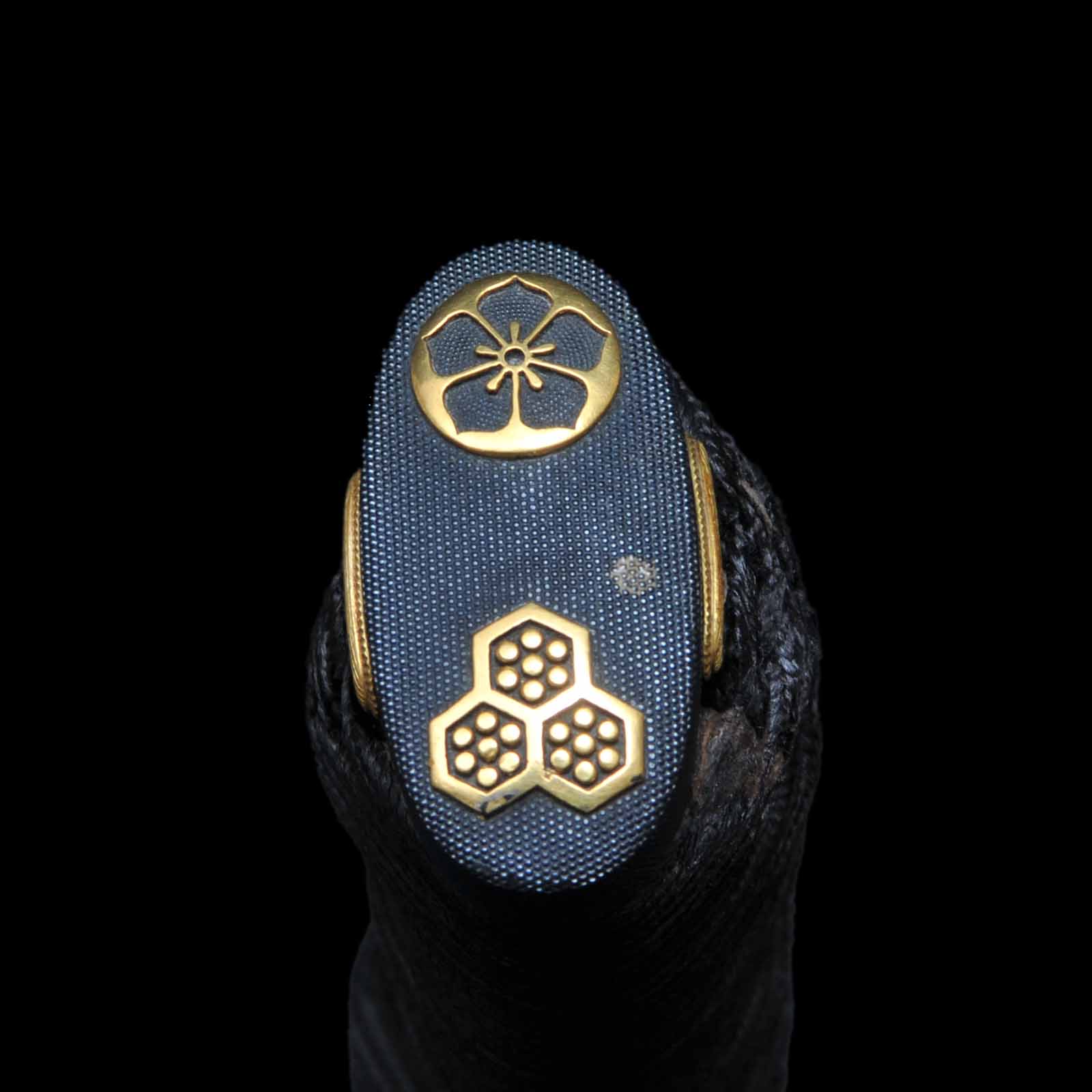
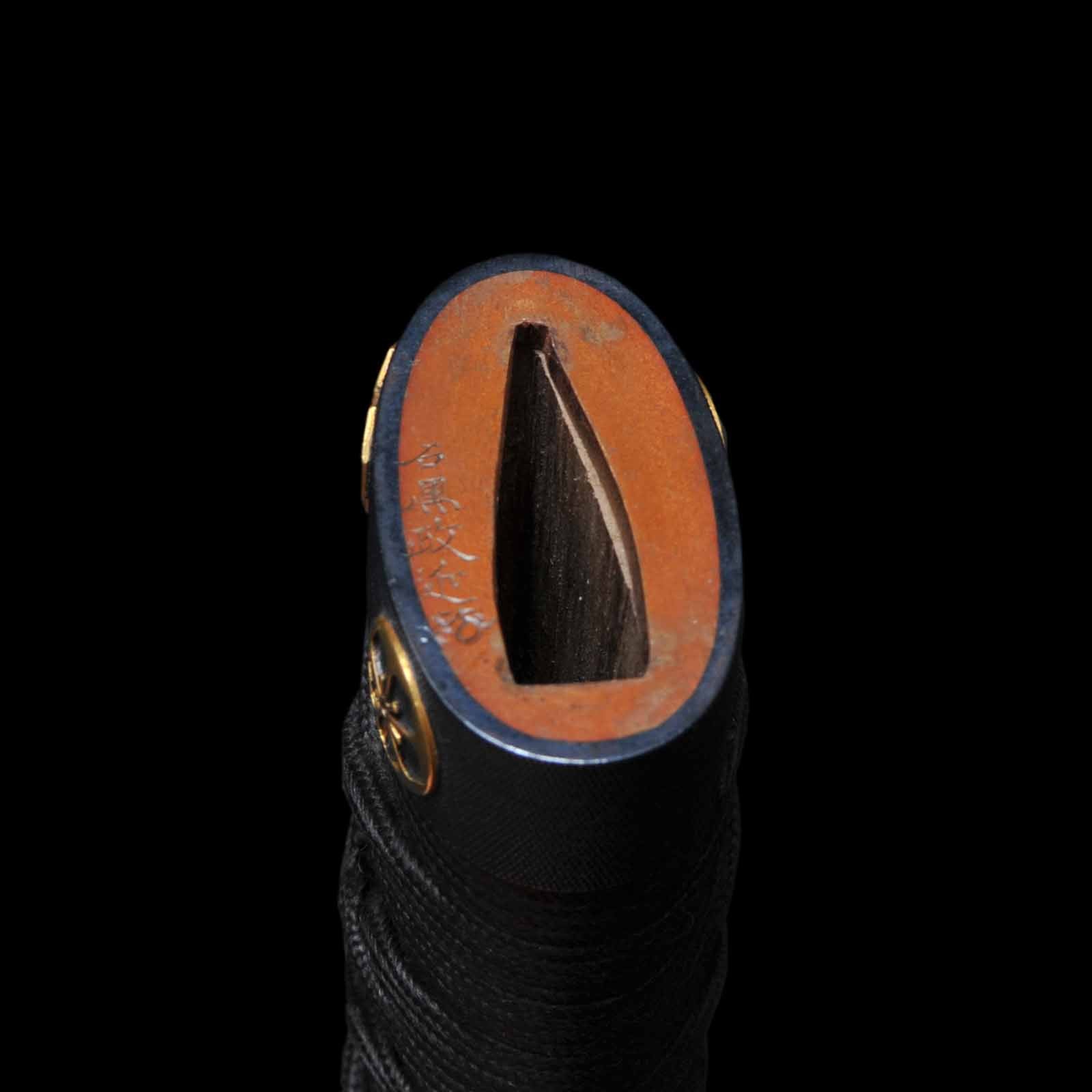
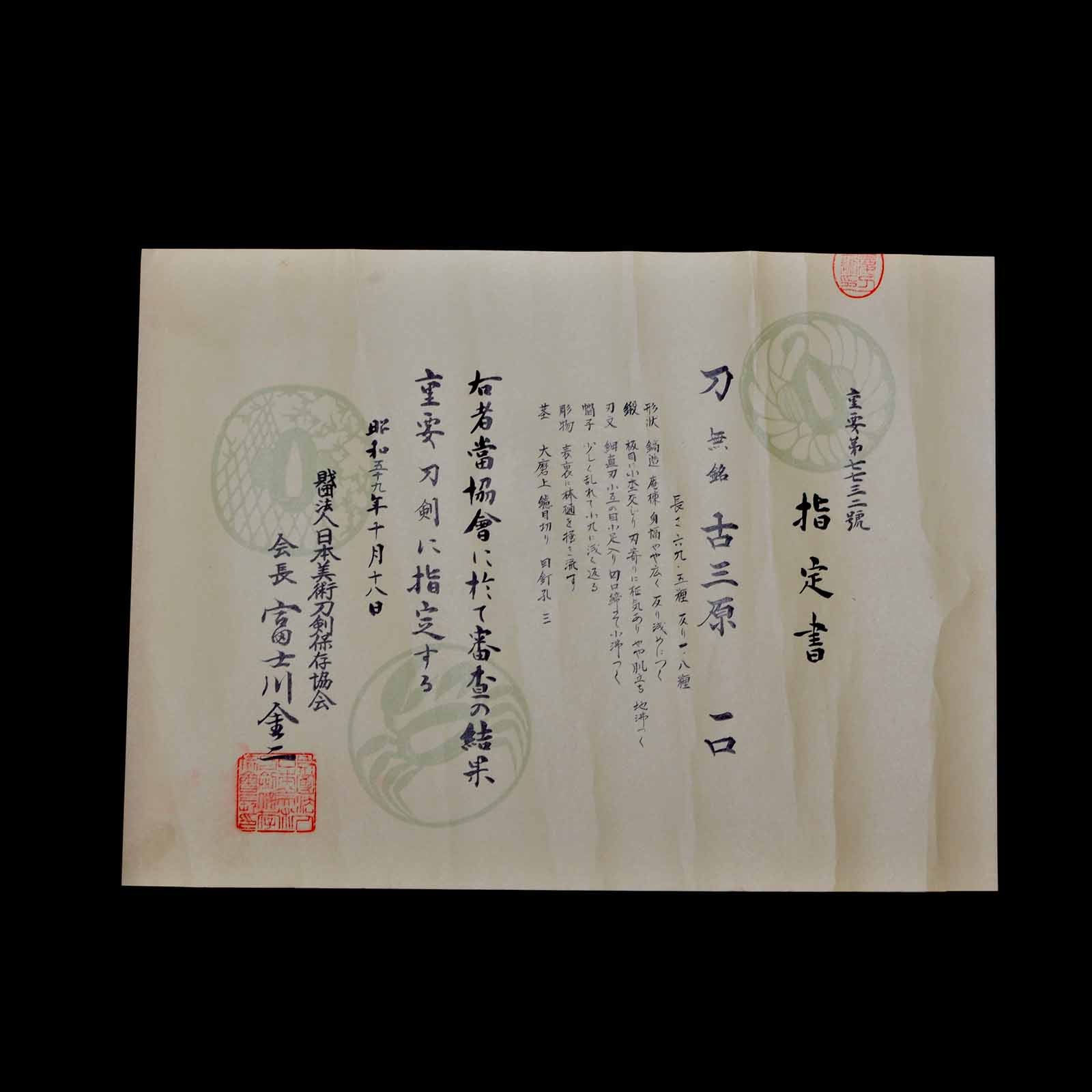
The sword is of a calming taste that offers a glimpse into the temperament of the Yamato samurai, and for being over 700 years old, both the blade and the exterior fittings of the sword are in excellent condition, making it a first-class piece of art with very high ornamental value. The Society for Preservation of Japanese Art Swords recognizes this work as Juyo Token(a historically important sword). We hope you will make this miraculous set of sword blade and koshirae an heirloom of yours.
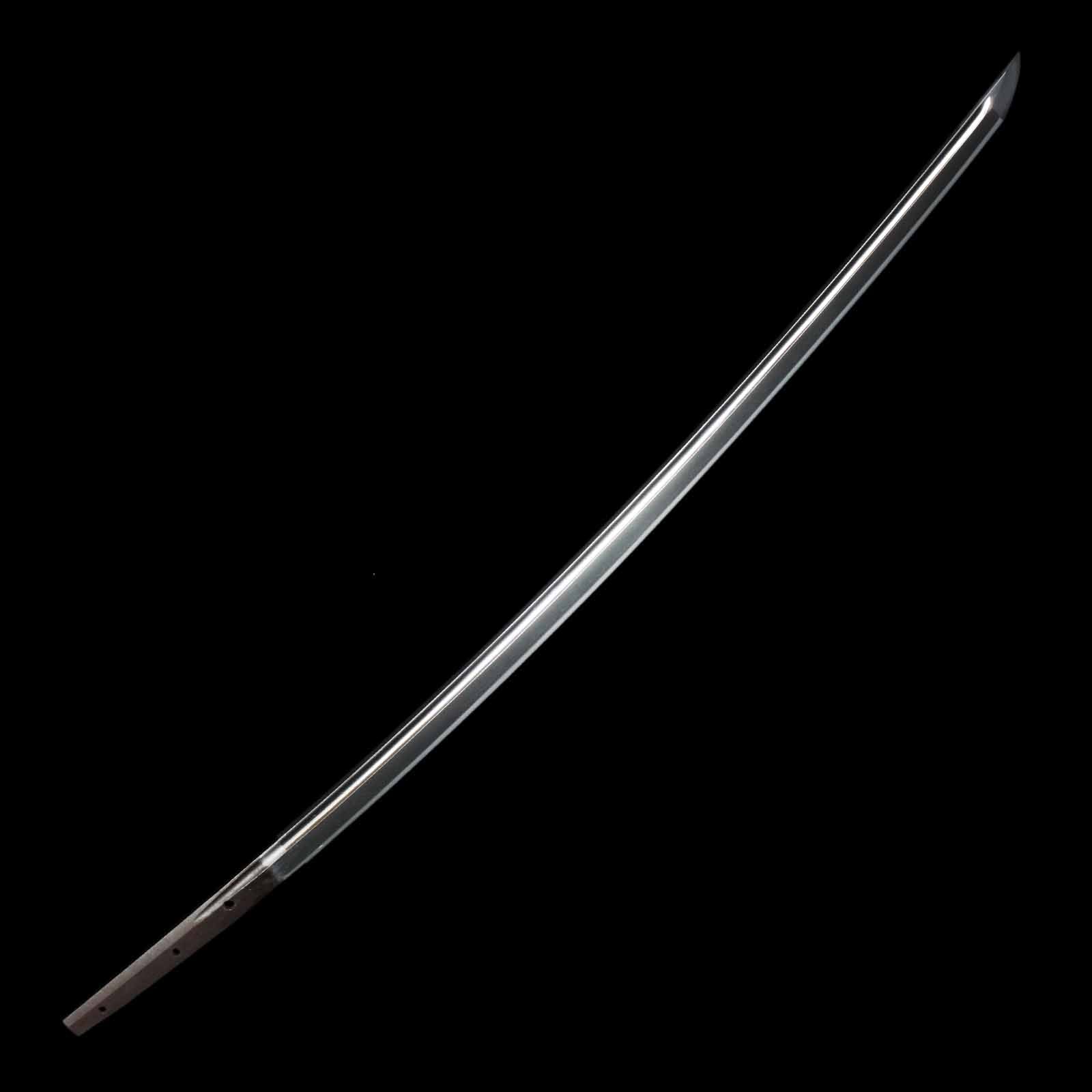
- Blade length: 69.5 cm
- Curvature: 1.7 cm
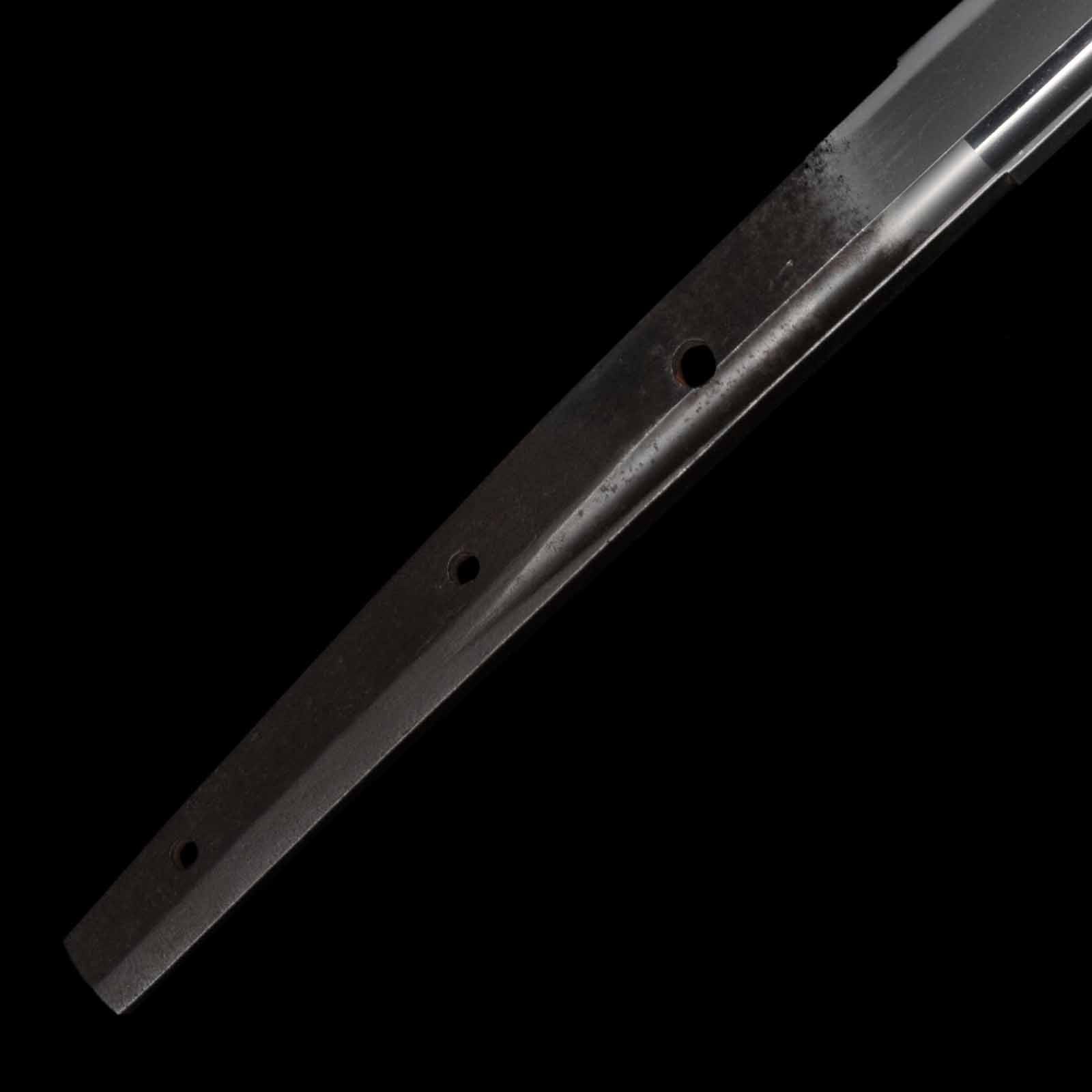
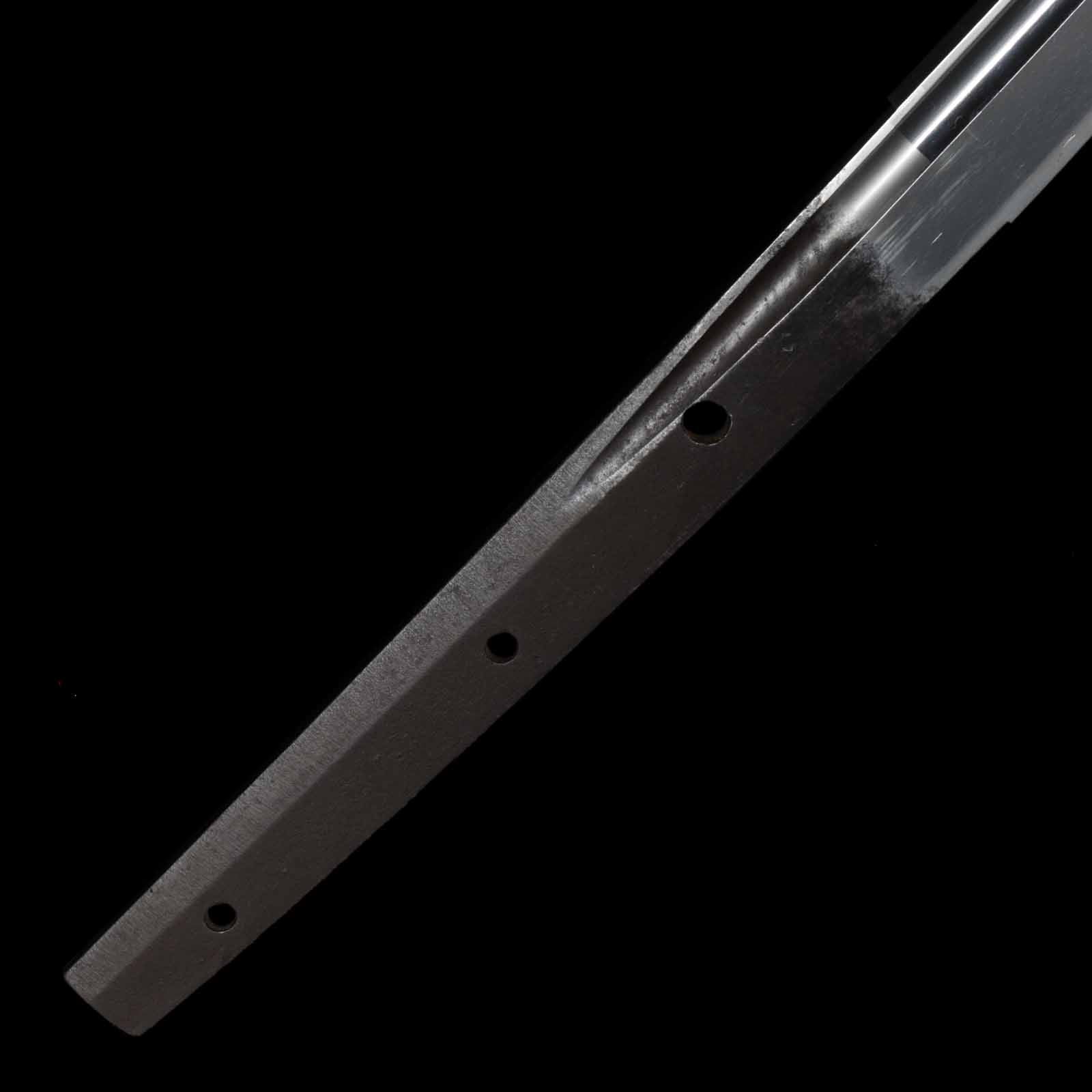
- Number of Mekugi hole: 3
- Sakihaba: 22.4 mm
- Sakikasane: 4.4 mm
- Motohaba: 30.2 mm
- Motokasane: 6.6 mm
- Signature: No Signature
- Era: Koto
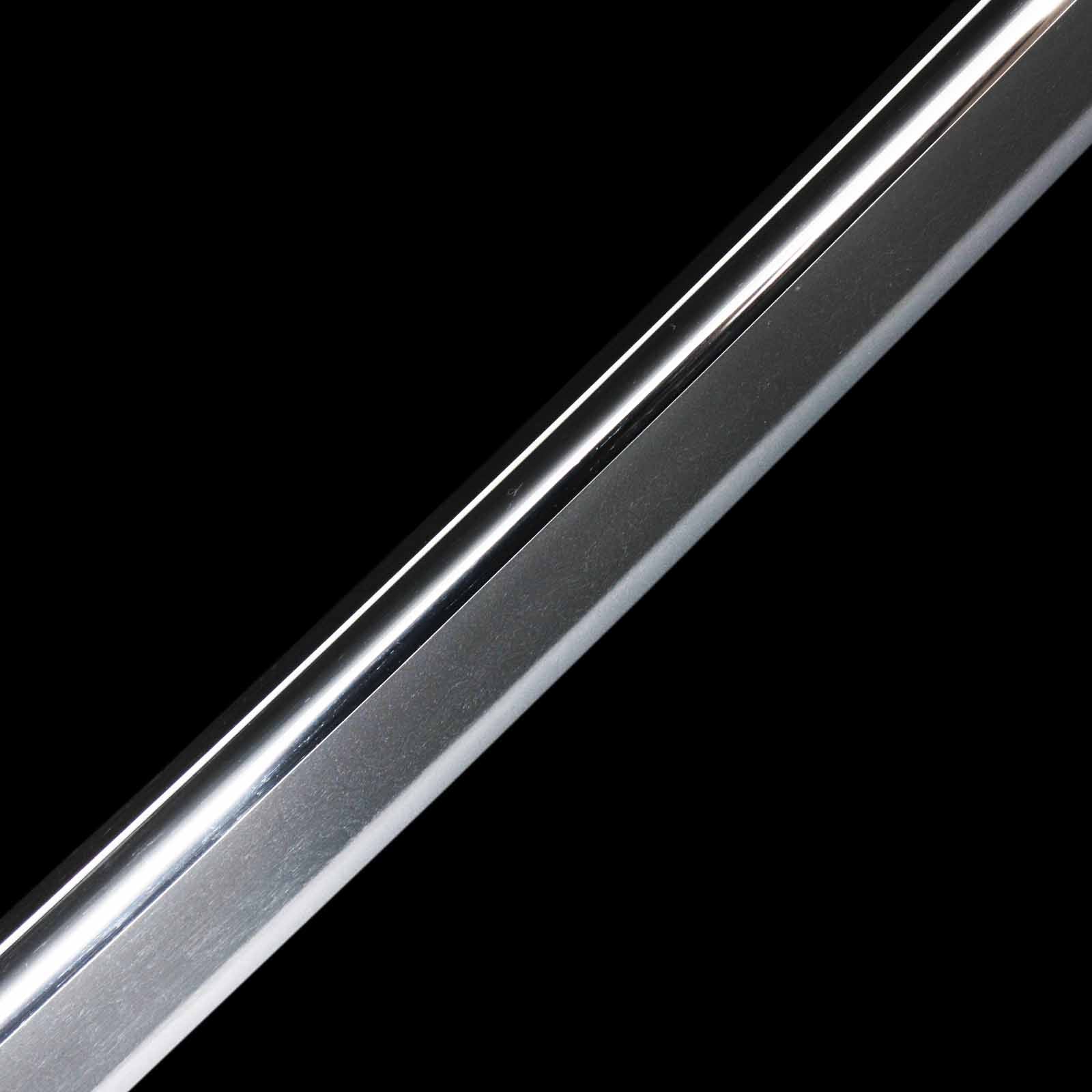
- Structure: Shinogi-zukuri, Iori-mune
- Jigane: Masame
- Hamon: Hoso-suguha
- Boshi: Komaru ni Kaeru
- Weight(without Saya): 670 g
- Nakago: Suriage
- Original Registration No.: Hokkaido 29347
Please contact us if the katana you are looking for is not listed here.
Product Information
Product Information
Shipping & Returns
Shipping & Returns
Katana - Mumei(No Signature) - NBTHK Juyo Token Certificate - Uchigatana/Shirasaya Koshirae - Suriage Nakago - Koto Era
Katana - Mumei(No Signature) - NBTHK Juyo Token Certificate - Uchigatana/Shirasaya Koshirae - Suriage Nakago - Koto Era
The Ko-Mihara was a group of swordsmiths who flourished in the area of Mihara in Bingo Province (present-day eastern Hiroshima Prefecture) from the end of the Kamakura period to the Nanboku period. Mihara was famous for its high-quality steel, and many swordsmiths from Yamato are said to have migrated there.
Well-known swordsmiths active during this period include Masaie and Masahiro. Their descendants made swords during the period leading up to the end of the Muromachi period. Since there were manors of various temples in Yamato Province in this area, the influence of Yamato-den swords, such as the combination of masame hada and suguha hamon, is evident in the style of Mihara swords, which is the focus of Ko-Mihara. Mihara Swords from the late Kamakura period to the Nanbokucho period are called "Ko-Mihara," while those from the Muromachi period onward are called "Sue-Mihara.
This piece has a wider shinogi, and a hada with some mokume mixed in with masame, with hoso-suguha hamon. The boshi is arced in a shallow komaru. On the scabbard, the Hon'ami, the most prestigious and renowned sword appraiser, has identified this sword as a work of Komihara and has written a detailed description of it.
The sword is of a calming taste that offers a glimpse into the temperament of the Yamato samurai, and for being over 700 years old, both the blade and the exterior fittings of the sword are in excellent condition, making it a first-class piece of art with very high ornamental value. The Society for Preservation of Japanese Art Swords recognizes this work as Juyo Token(a historically important sword). We hope you will make this miraculous set of sword blade and koshirae an heirloom of yours.
- Blade length: 69.5 cm
- Curvature: 1.7 cm
- Number of Mekugi hole: 3
- Sakihaba: 22.4 mm
- Sakikasane: 4.4 mm
- Motohaba: 30.2 mm
- Motokasane: 6.6 mm
- Signature: No Signature
- Era: Koto
- Structure: Shinogi-zukuri, Iori-mune
- Jigane: Masame
- Hamon: Hoso-suguha
- Boshi: Komaru ni Kaeru
- Weight(without Saya): 670 g
- Nakago: Suriage
- Original Registration No.: Hokkaido 29347
Please contact us if the katana you are looking for is not listed here.
Original: $19,219.20
-65%$19,219.20
$6,726.72Product Information
Product Information
Shipping & Returns
Shipping & Returns
Description
The Ko-Mihara was a group of swordsmiths who flourished in the area of Mihara in Bingo Province (present-day eastern Hiroshima Prefecture) from the end of the Kamakura period to the Nanboku period. Mihara was famous for its high-quality steel, and many swordsmiths from Yamato are said to have migrated there.
Well-known swordsmiths active during this period include Masaie and Masahiro. Their descendants made swords during the period leading up to the end of the Muromachi period. Since there were manors of various temples in Yamato Province in this area, the influence of Yamato-den swords, such as the combination of masame hada and suguha hamon, is evident in the style of Mihara swords, which is the focus of Ko-Mihara. Mihara Swords from the late Kamakura period to the Nanbokucho period are called "Ko-Mihara," while those from the Muromachi period onward are called "Sue-Mihara.
This piece has a wider shinogi, and a hada with some mokume mixed in with masame, with hoso-suguha hamon. The boshi is arced in a shallow komaru. On the scabbard, the Hon'ami, the most prestigious and renowned sword appraiser, has identified this sword as a work of Komihara and has written a detailed description of it.
The sword is of a calming taste that offers a glimpse into the temperament of the Yamato samurai, and for being over 700 years old, both the blade and the exterior fittings of the sword are in excellent condition, making it a first-class piece of art with very high ornamental value. The Society for Preservation of Japanese Art Swords recognizes this work as Juyo Token(a historically important sword). We hope you will make this miraculous set of sword blade and koshirae an heirloom of yours.
- Blade length: 69.5 cm
- Curvature: 1.7 cm
- Number of Mekugi hole: 3
- Sakihaba: 22.4 mm
- Sakikasane: 4.4 mm
- Motohaba: 30.2 mm
- Motokasane: 6.6 mm
- Signature: No Signature
- Era: Koto
- Structure: Shinogi-zukuri, Iori-mune
- Jigane: Masame
- Hamon: Hoso-suguha
- Boshi: Komaru ni Kaeru
- Weight(without Saya): 670 g
- Nakago: Suriage
- Original Registration No.: Hokkaido 29347
Please contact us if the katana you are looking for is not listed here.