Tachi - Sukeyoshi - NBTHK Tokukbetsu Kicho Certificate - Shirasaya Koshirae - Ubu Nakago - Shinshinto Era - Hyogo 51809
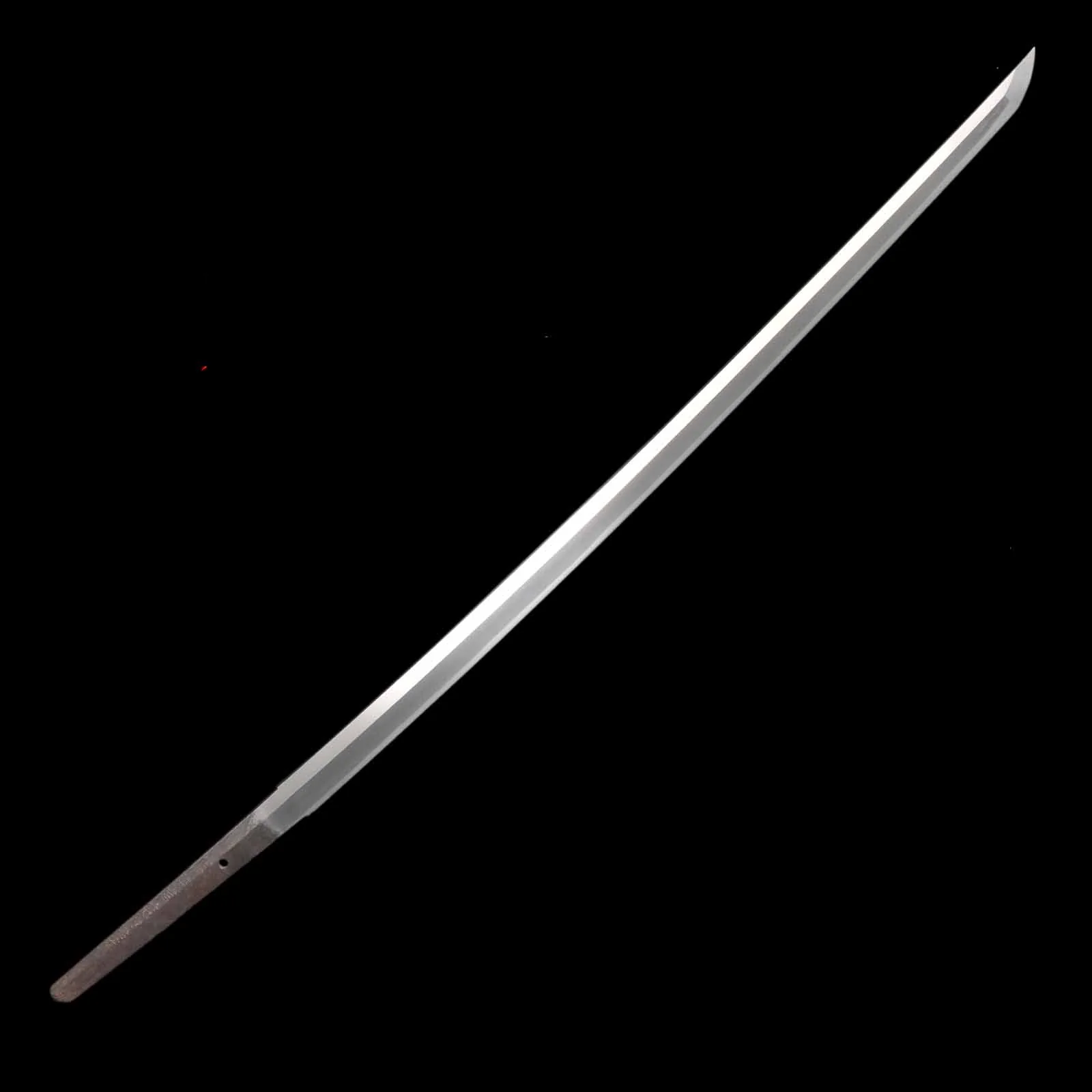
A Tachi made at the end of the Edo period with little curvature and full massiveness has just arrived in the Tozando Katana Shop.
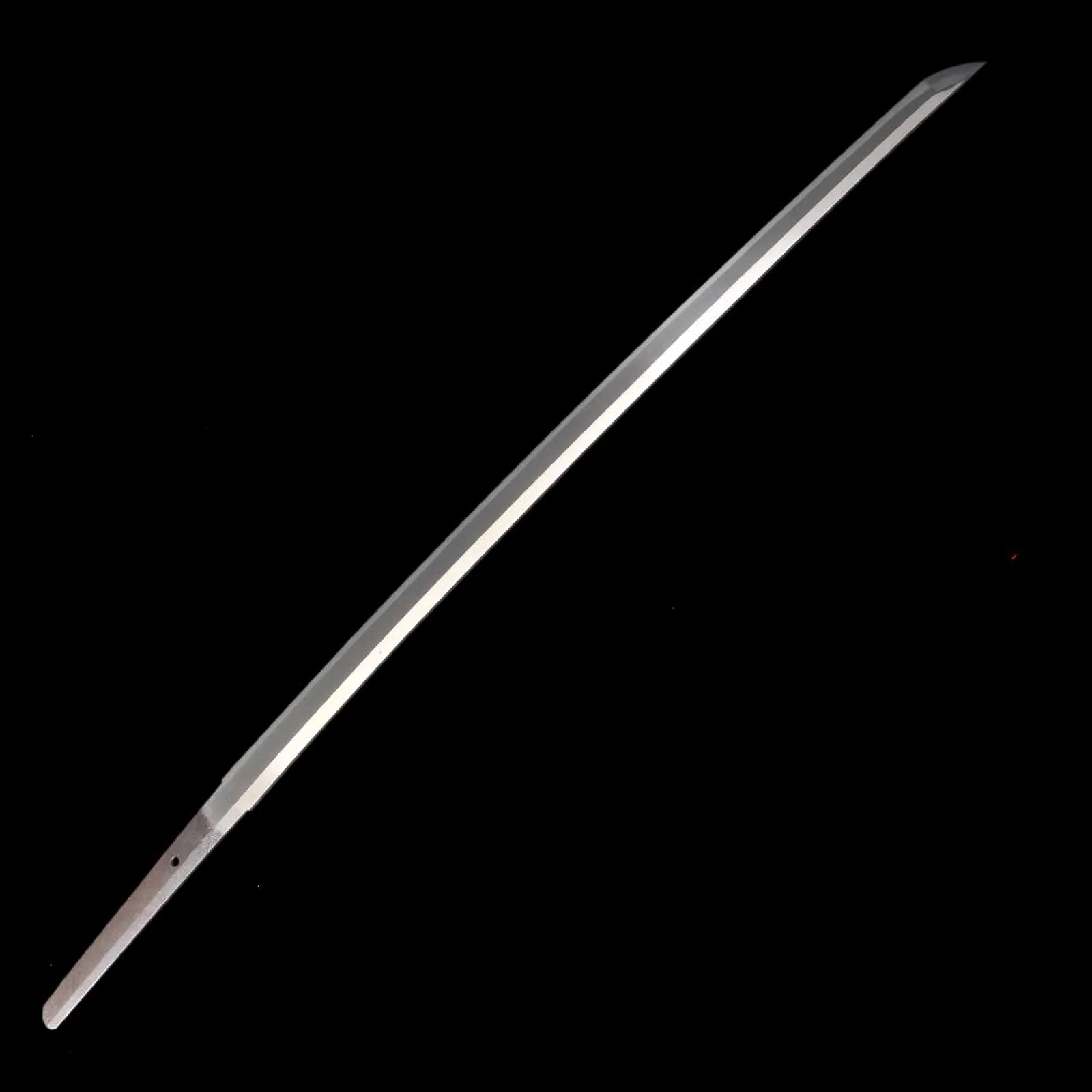
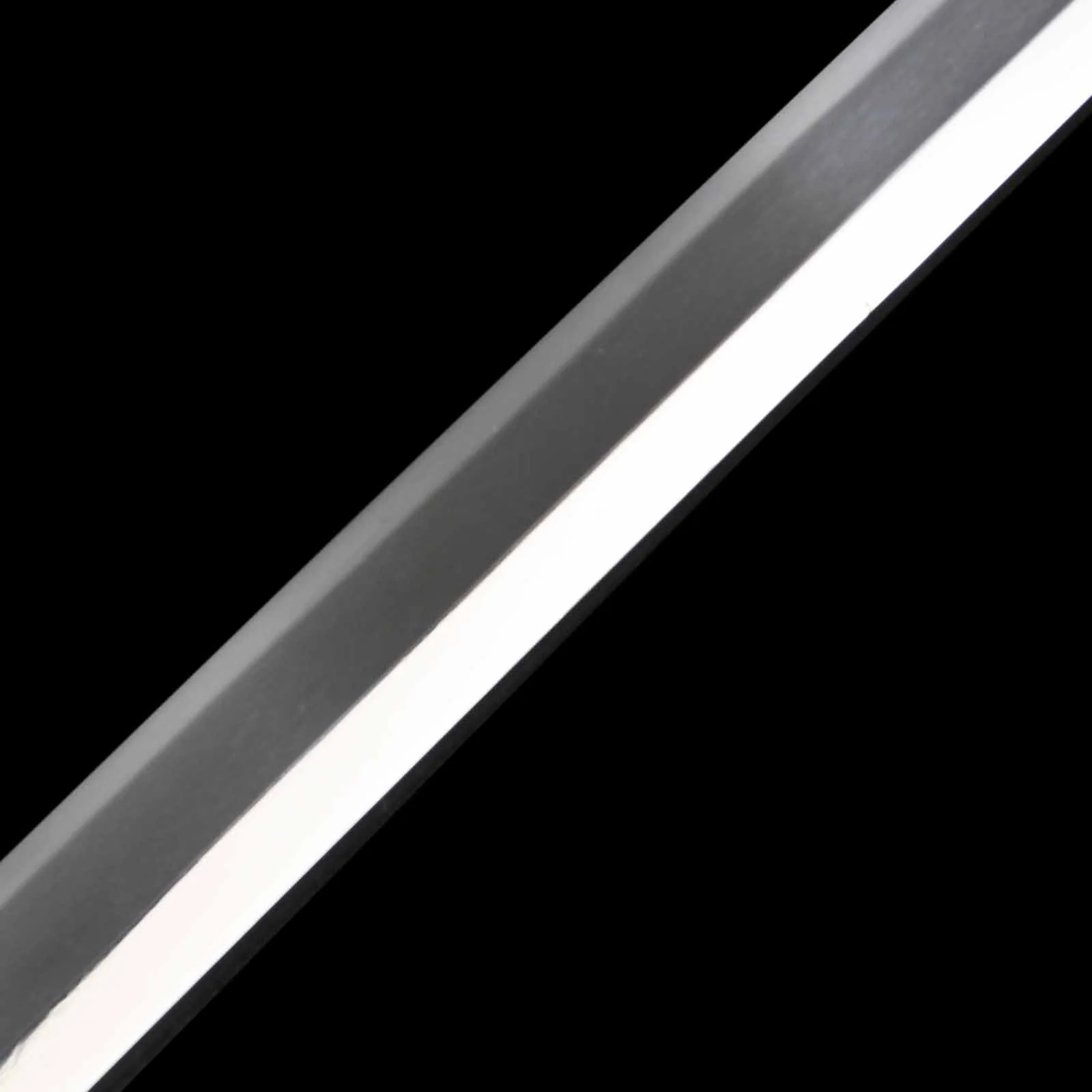
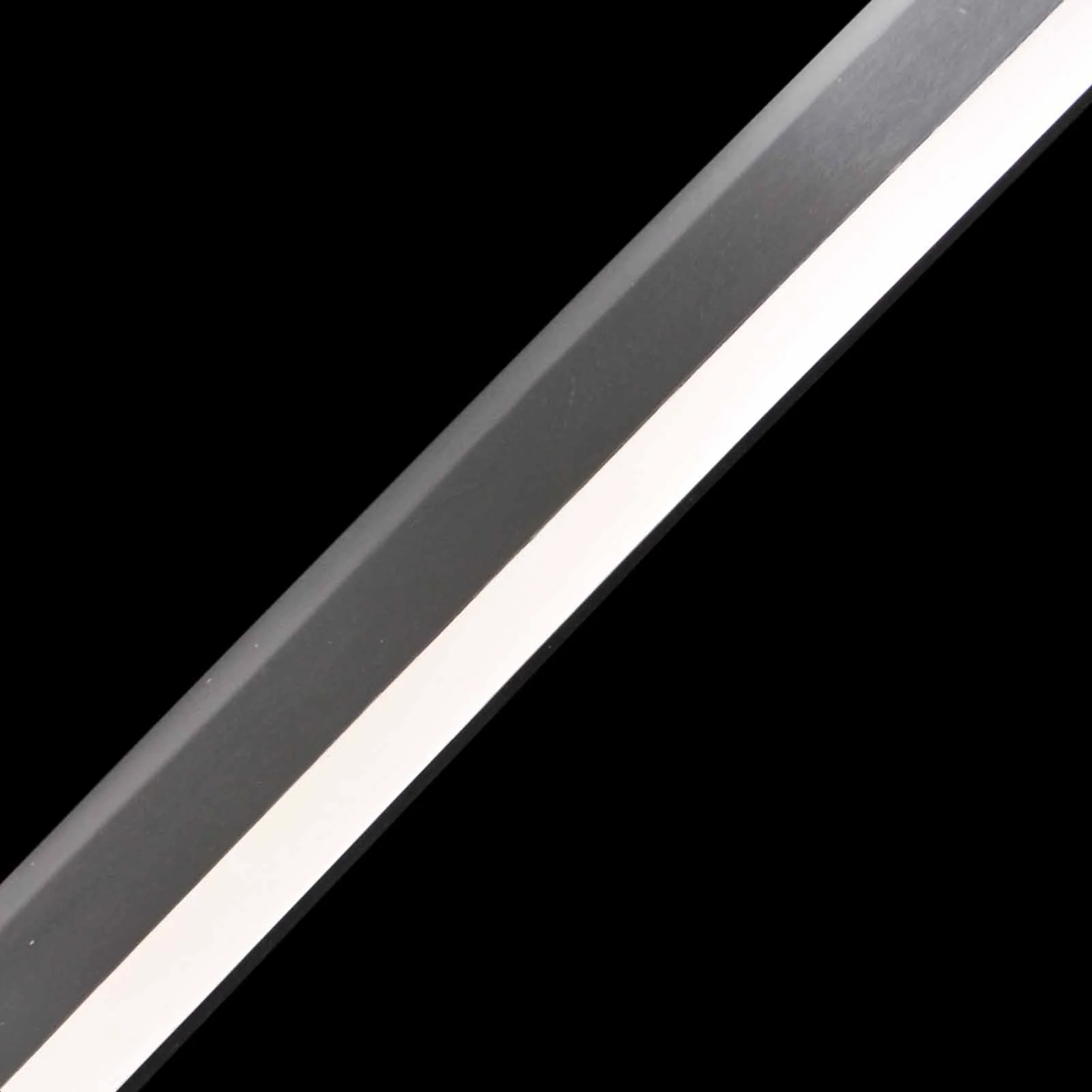
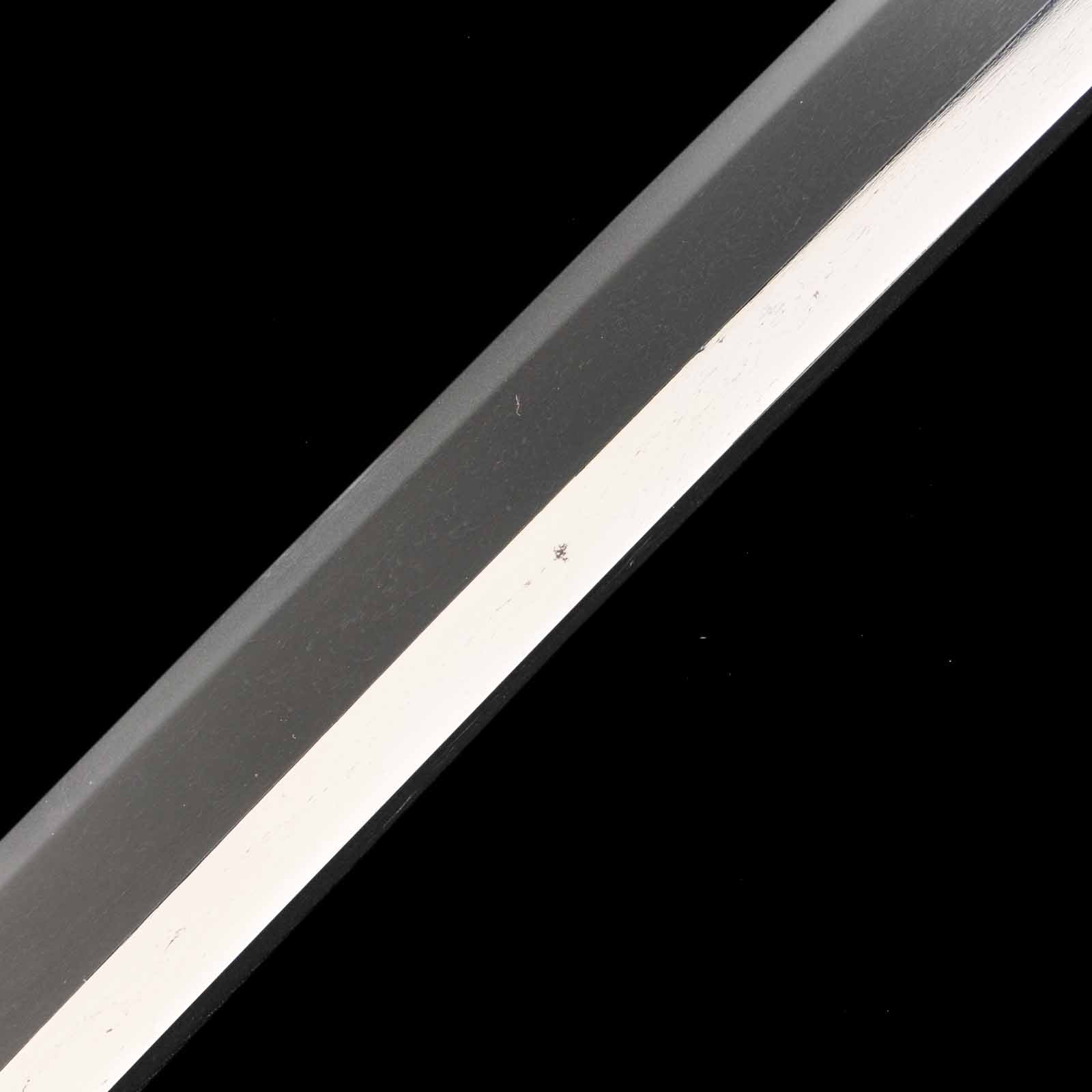
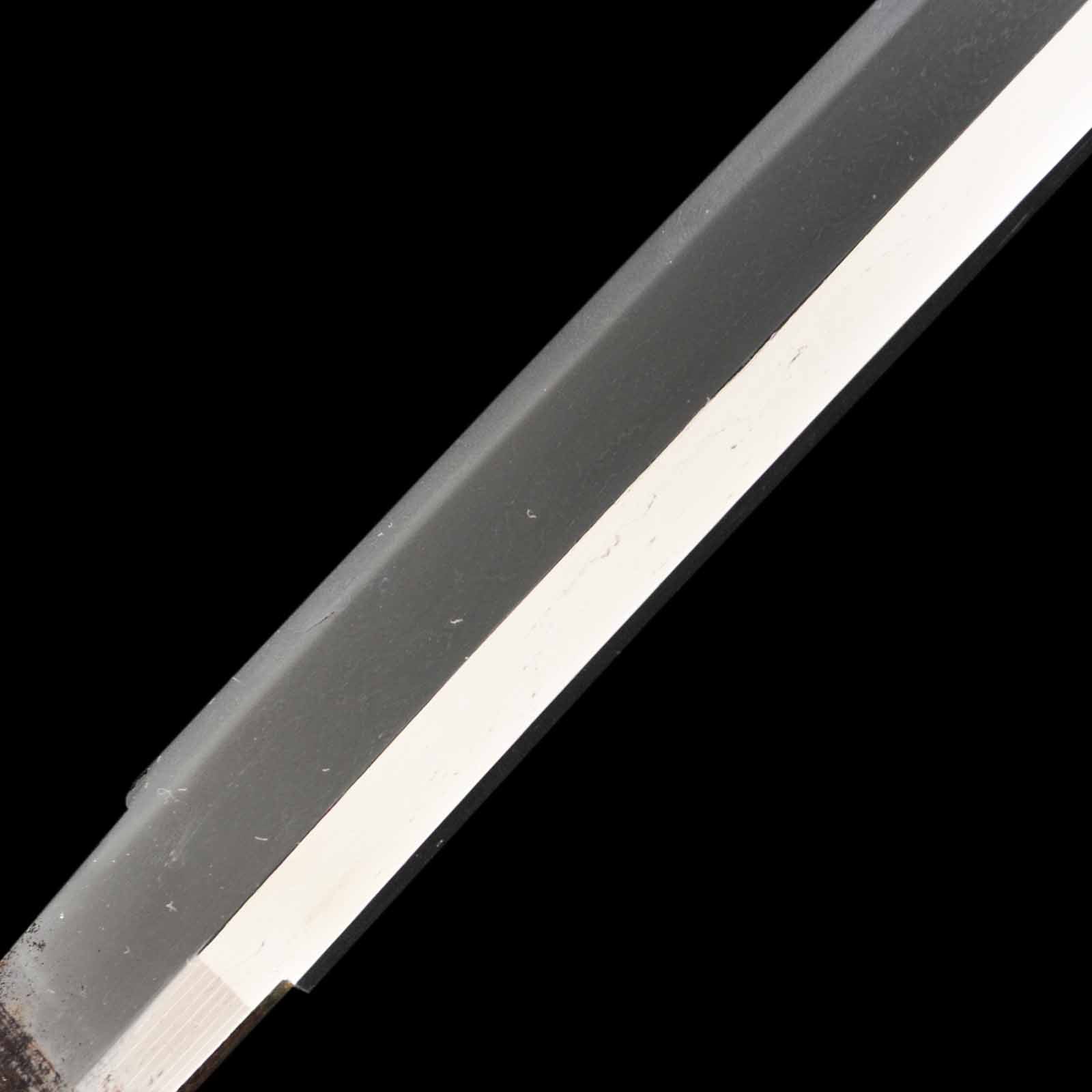
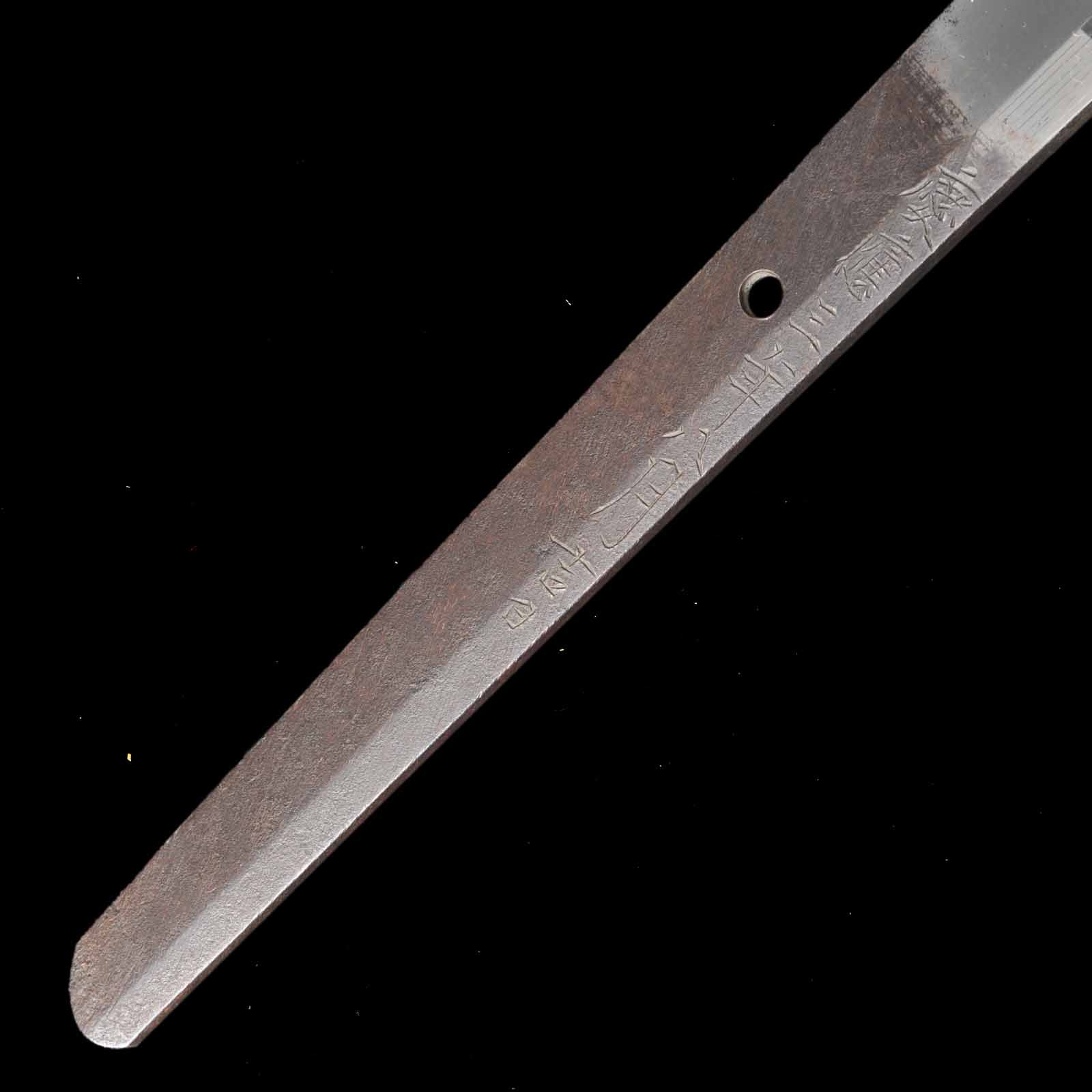
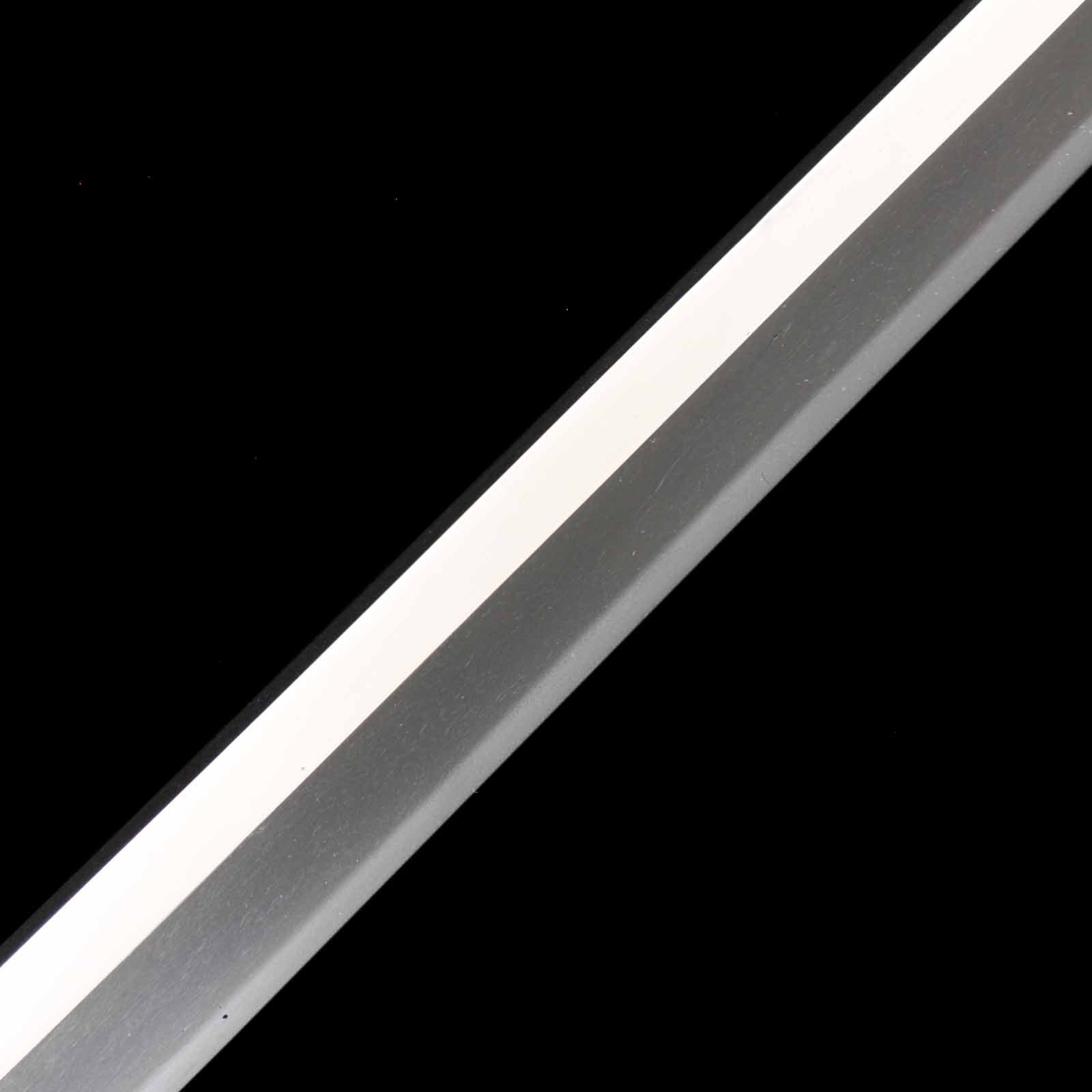
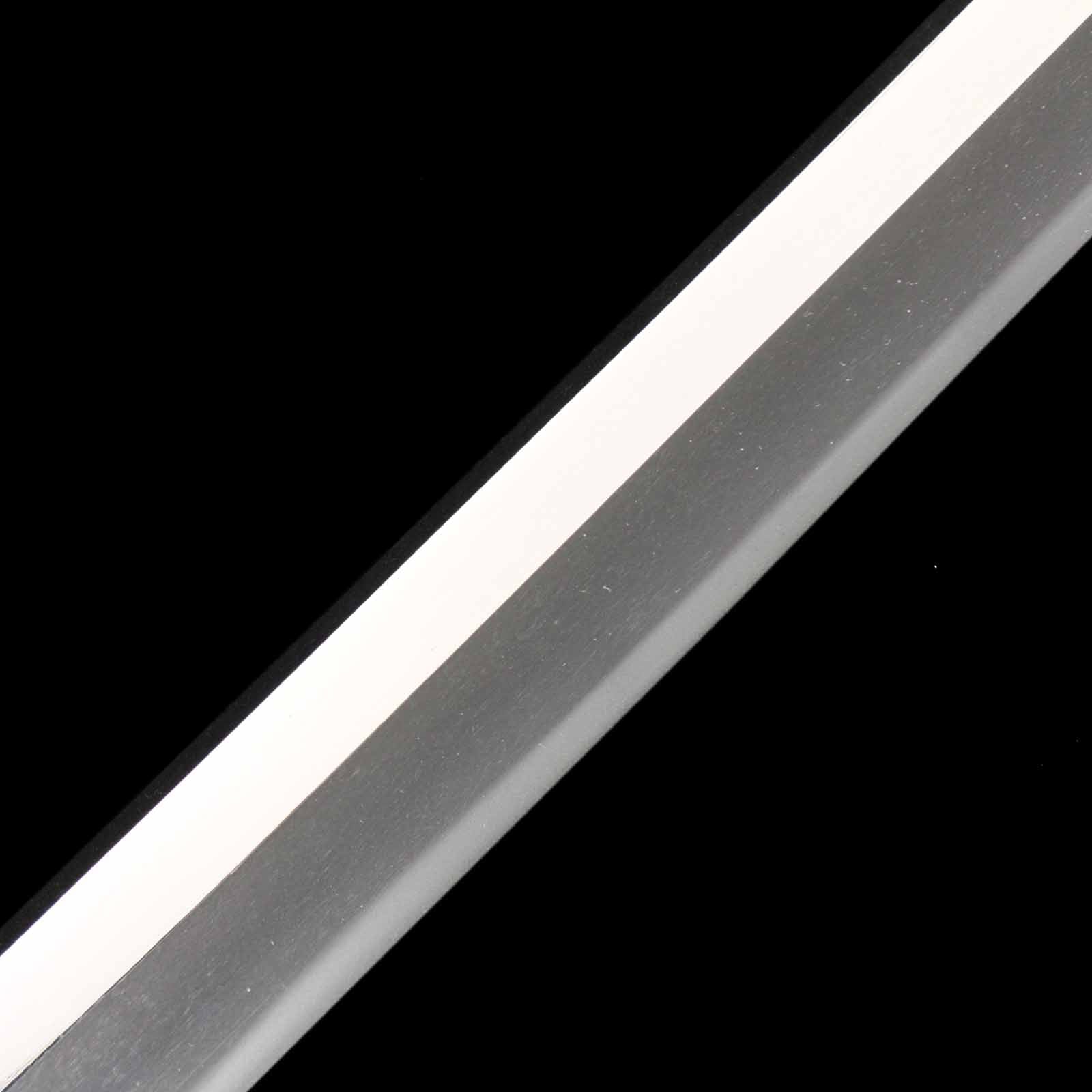
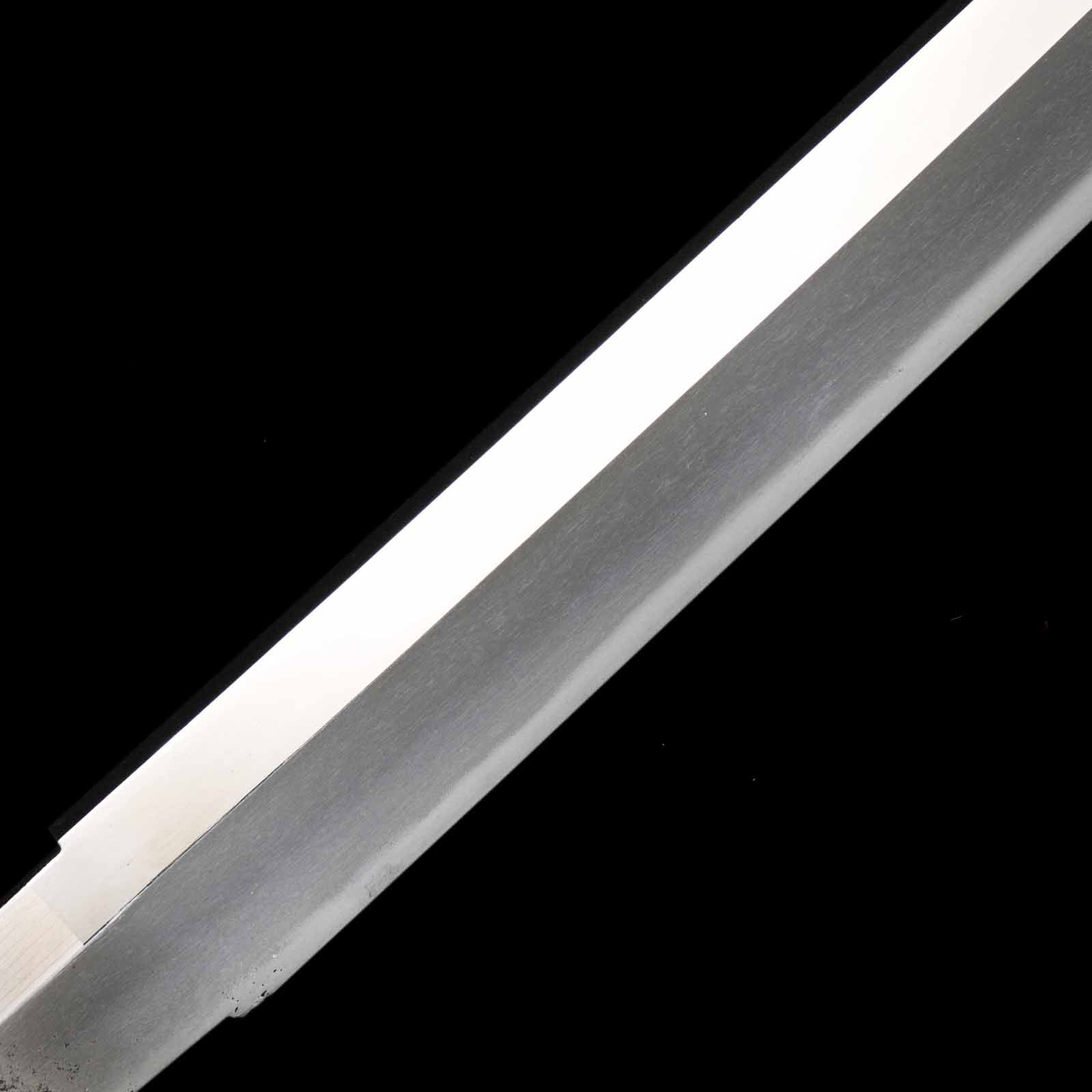
The sword is in very good condition, but there are some minor defects on the sashiomote side, about 14cm from the hamachi, and on the sashiura side, about 40cm from the hamachi. There is also a very tiny dent about 25cm from the hamachi. The jigane is a very well packed itame hada with some chikei. The hamon is a slim suguha with a very tight nioi. The nakago is engraved on the omote side with Ashu Junin Kikkawa Rokuro Minamoto Sukeyoshi, and on the ura side with Keio San'nen Hachigatsu Kichijitsu.
Sukeyoshi was a swordsmith active from the end of the Tokugawa Shogunate to the Meiji period, and was from the Awa area (present-day Tokushima Prefecture). He learned the art of sword-making from Sukenaga in the Osafune region of the Bizen area.
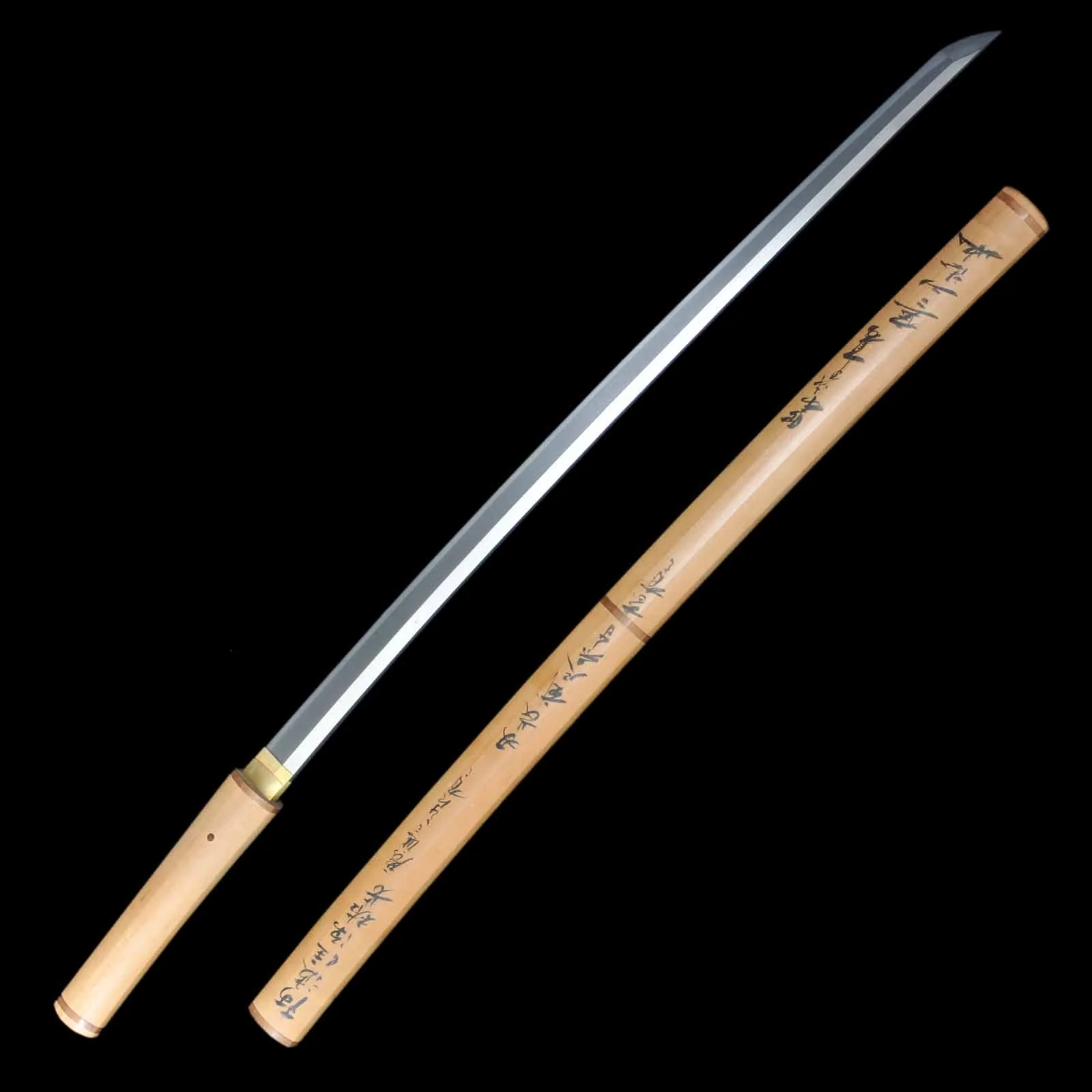
Sukeyoshi's swords were known for their toughness and sharpness, and Isamu Kondo, the head of the Shinsengumi, is said to have used a Sukeyoshi as his favorite sword for training. Also, Keio San'nen is 1867, so this Tachi is believed to have been made in August 1867. The Shirasaya has a sayagaki by Sato Kanzan, a leading authority in the study of Japanese swords of Shinto period and an authority in the Japanese sword world.
The Society for the Preservation of Japanese Art Swords recognized this piece as an exceptionally valuable Japanese sword and issued a certificate for it in 1968 after a tokubetsu kicho appraisal.
Sukeyoshi's work with a certificate of authenticity, made during the turbulent period at the end of the Edo period and loved by the director of that Shinsengumi, is something that every Japanese sword fan should own at least once.
- Blade length: 71.6 cm
- Curvature: 1.0 cm
- Number of Mekugi hole: 1
- Sakihaba: 20.9 mm
- Sakikasane: 4.6 mm
- Motohaba: 31.2 mm
- Motokasane: 6.7 mm
- Signature: Ashu Junin Kikkawa Rokuro Minamoto Sukeyoshi(front), Keio San'nen Hachigatsu Kichijitsu
- Era: Shinshinto
- Structure: Shinogi-zukuri, Iori-mune
- Jigane: Itame
- Hamon: Hoso-suguha
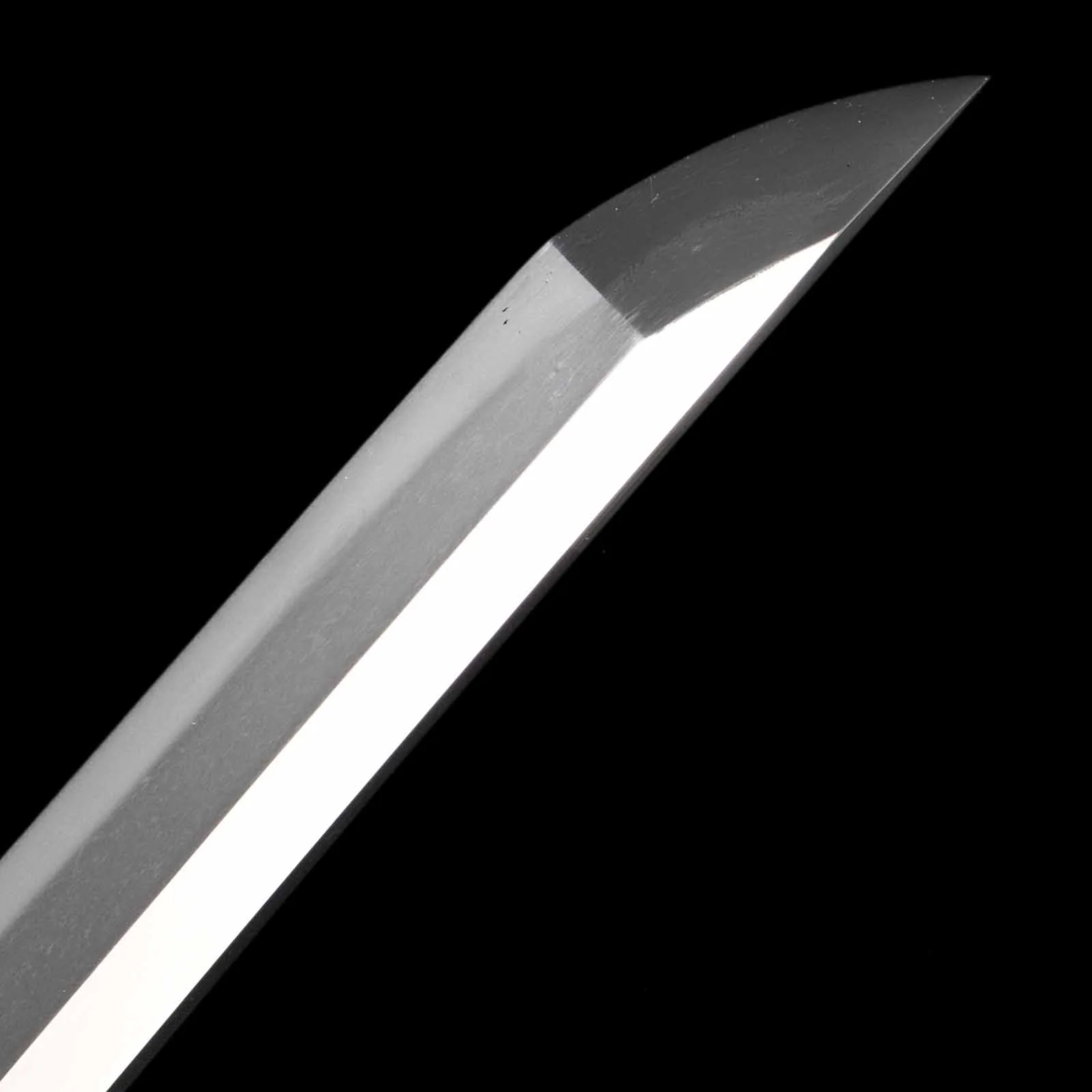
- Boshi: Massugu Haitte Nakamaru ni Kaeru
- Weight(Blade only): 800 g
- Nakago: Ubu
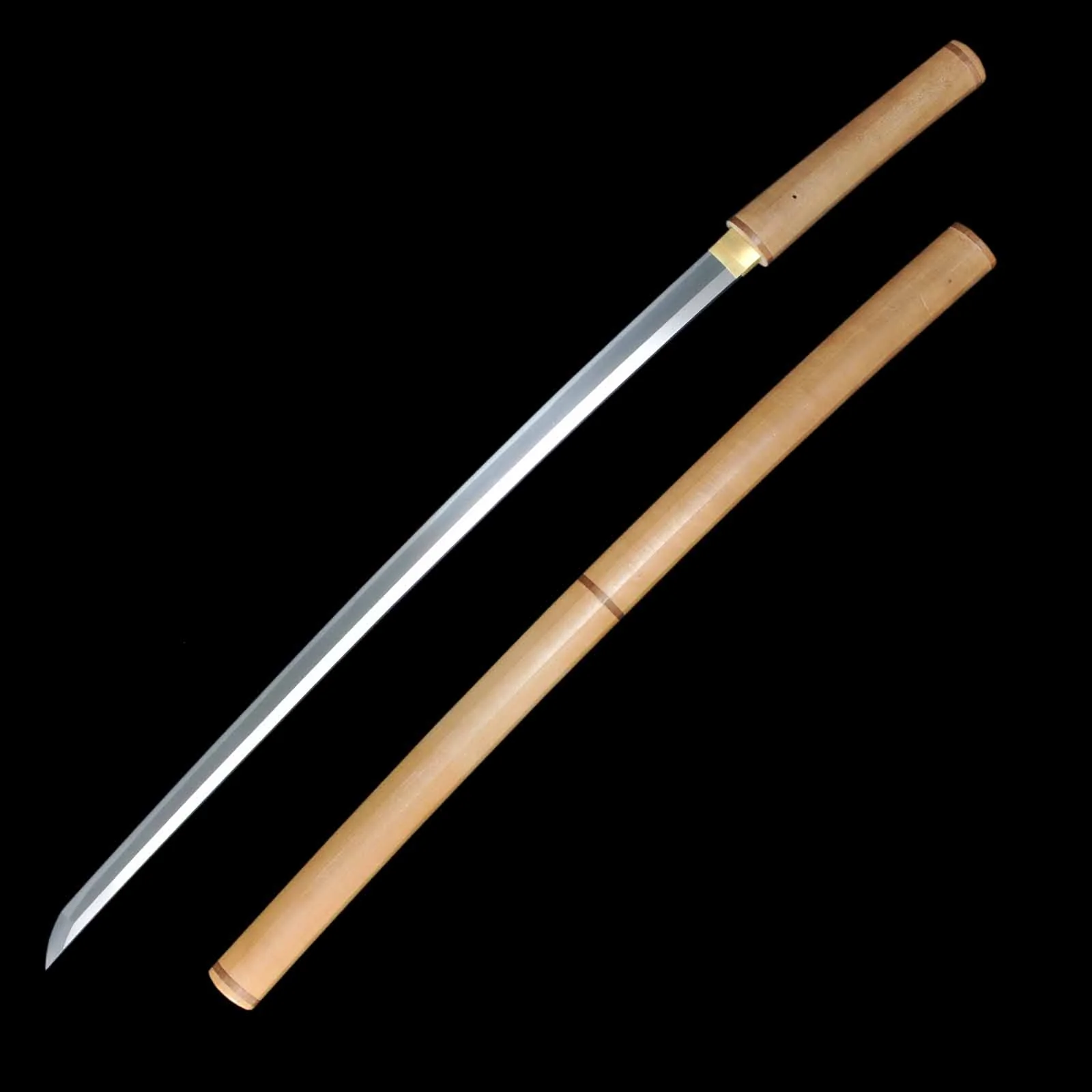
- Koshirae: Shirasaya
- Original Registration No.: Hyogo 51809
Please contact us if the katana you are looking for is not listed here.
Product Information
Product Information
Shipping & Returns
Shipping & Returns






Tachi - Sukeyoshi - NBTHK Tokukbetsu Kicho Certificate - Shirasaya Koshirae - Ubu Nakago - Shinshinto Era - Hyogo 51809
Tachi - Sukeyoshi - NBTHK Tokukbetsu Kicho Certificate - Shirasaya Koshirae - Ubu Nakago - Shinshinto Era - Hyogo 51809
A Tachi made at the end of the Edo period with little curvature and full massiveness has just arrived in the Tozando Katana Shop.
The sword is in very good condition, but there are some minor defects on the sashiomote side, about 14cm from the hamachi, and on the sashiura side, about 40cm from the hamachi. There is also a very tiny dent about 25cm from the hamachi. The jigane is a very well packed itame hada with some chikei. The hamon is a slim suguha with a very tight nioi. The nakago is engraved on the omote side with Ashu Junin Kikkawa Rokuro Minamoto Sukeyoshi, and on the ura side with Keio San'nen Hachigatsu Kichijitsu.
Sukeyoshi was a swordsmith active from the end of the Tokugawa Shogunate to the Meiji period, and was from the Awa area (present-day Tokushima Prefecture). He learned the art of sword-making from Sukenaga in the Osafune region of the Bizen area.
Sukeyoshi's swords were known for their toughness and sharpness, and Isamu Kondo, the head of the Shinsengumi, is said to have used a Sukeyoshi as his favorite sword for training. Also, Keio San'nen is 1867, so this Tachi is believed to have been made in August 1867. The Shirasaya has a sayagaki by Sato Kanzan, a leading authority in the study of Japanese swords of Shinto period and an authority in the Japanese sword world.
The Society for the Preservation of Japanese Art Swords recognized this piece as an exceptionally valuable Japanese sword and issued a certificate for it in 1968 after a tokubetsu kicho appraisal.
Sukeyoshi's work with a certificate of authenticity, made during the turbulent period at the end of the Edo period and loved by the director of that Shinsengumi, is something that every Japanese sword fan should own at least once.
- Blade length: 71.6 cm
- Curvature: 1.0 cm
- Number of Mekugi hole: 1
- Sakihaba: 20.9 mm
- Sakikasane: 4.6 mm
- Motohaba: 31.2 mm
- Motokasane: 6.7 mm
- Signature: Ashu Junin Kikkawa Rokuro Minamoto Sukeyoshi(front), Keio San'nen Hachigatsu Kichijitsu
- Era: Shinshinto
- Structure: Shinogi-zukuri, Iori-mune
- Jigane: Itame
- Hamon: Hoso-suguha
- Boshi: Massugu Haitte Nakamaru ni Kaeru
- Weight(Blade only): 800 g
- Nakago: Ubu
- Koshirae: Shirasaya
- Original Registration No.: Hyogo 51809
Please contact us if the katana you are looking for is not listed here.
Original: $4,312.00
-65%$4,312.00
$1,509.20Product Information
Product Information
Shipping & Returns
Shipping & Returns
Description
A Tachi made at the end of the Edo period with little curvature and full massiveness has just arrived in the Tozando Katana Shop.
The sword is in very good condition, but there are some minor defects on the sashiomote side, about 14cm from the hamachi, and on the sashiura side, about 40cm from the hamachi. There is also a very tiny dent about 25cm from the hamachi. The jigane is a very well packed itame hada with some chikei. The hamon is a slim suguha with a very tight nioi. The nakago is engraved on the omote side with Ashu Junin Kikkawa Rokuro Minamoto Sukeyoshi, and on the ura side with Keio San'nen Hachigatsu Kichijitsu.
Sukeyoshi was a swordsmith active from the end of the Tokugawa Shogunate to the Meiji period, and was from the Awa area (present-day Tokushima Prefecture). He learned the art of sword-making from Sukenaga in the Osafune region of the Bizen area.
Sukeyoshi's swords were known for their toughness and sharpness, and Isamu Kondo, the head of the Shinsengumi, is said to have used a Sukeyoshi as his favorite sword for training. Also, Keio San'nen is 1867, so this Tachi is believed to have been made in August 1867. The Shirasaya has a sayagaki by Sato Kanzan, a leading authority in the study of Japanese swords of Shinto period and an authority in the Japanese sword world.
The Society for the Preservation of Japanese Art Swords recognized this piece as an exceptionally valuable Japanese sword and issued a certificate for it in 1968 after a tokubetsu kicho appraisal.
Sukeyoshi's work with a certificate of authenticity, made during the turbulent period at the end of the Edo period and loved by the director of that Shinsengumi, is something that every Japanese sword fan should own at least once.
- Blade length: 71.6 cm
- Curvature: 1.0 cm
- Number of Mekugi hole: 1
- Sakihaba: 20.9 mm
- Sakikasane: 4.6 mm
- Motohaba: 31.2 mm
- Motokasane: 6.7 mm
- Signature: Ashu Junin Kikkawa Rokuro Minamoto Sukeyoshi(front), Keio San'nen Hachigatsu Kichijitsu
- Era: Shinshinto
- Structure: Shinogi-zukuri, Iori-mune
- Jigane: Itame
- Hamon: Hoso-suguha
- Boshi: Massugu Haitte Nakamaru ni Kaeru
- Weight(Blade only): 800 g
- Nakago: Ubu
- Koshirae: Shirasaya
- Original Registration No.: Hyogo 51809
Please contact us if the katana you are looking for is not listed here.


