Katana/Wakizashi Daisho Set - Toshizane - NBTHK Tokubetsu Hozon Certificate - Uchigatana/Shirasaya Koshirae - Ubu Nakago - Shinshinto Era - Nagano 90508/90509
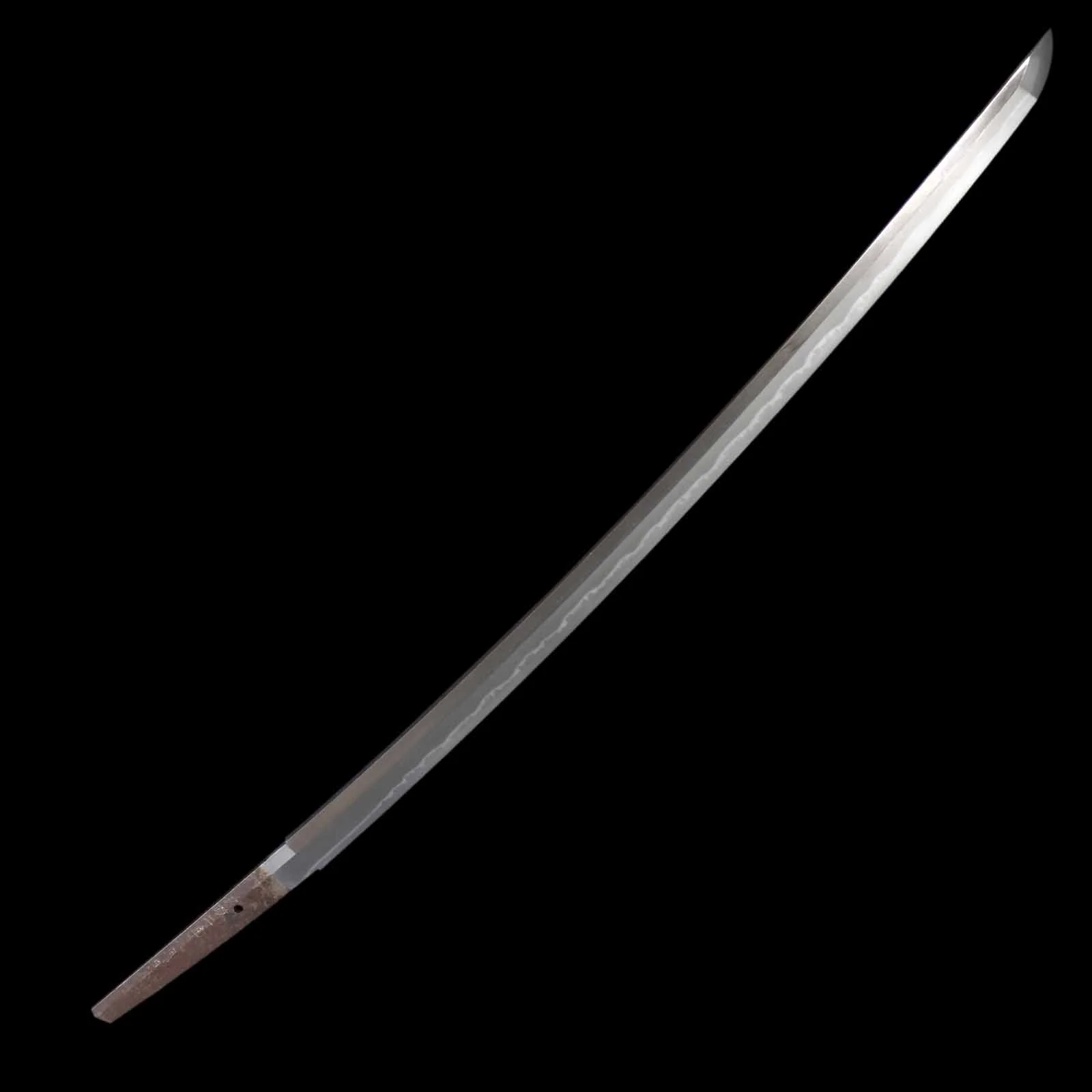
A gorgeous Daisho set by Minryushi Toshizane, a master swordsmith representing the late Edo period, including Uchigatana Koshirae, has arrived at TOZANDO. Minryushi Toshizane, whose real name was Hamabe Gihachiro, was born in 1777 in Inshu, in what is now eastern Tottori Prefecture. His father was Hamabe Toshinori, a swordsmith in the service of the Inaba clan and a famous master of the late Edo period. When he began making swords, his name was Toshikuni, but in 1797, when he was 20 years old, he changed his name to Toshizane, and four more years later, in 1801, he took the title Minryushi. With his father's inquisitive mind and excellent technique, he excelled in the very flamboyant hamon of choji, attracting a large number of students. The name of Minryushi's school, along with that of Suishinshi Masahide's school in Edo, has gained great fame and flourished. Among Minryushi's students was Kawamura Toshitaka, Minamoto Kiyomaro's master, and Toshizane's skills were passed on to Kiyomaro through Toshitaka.
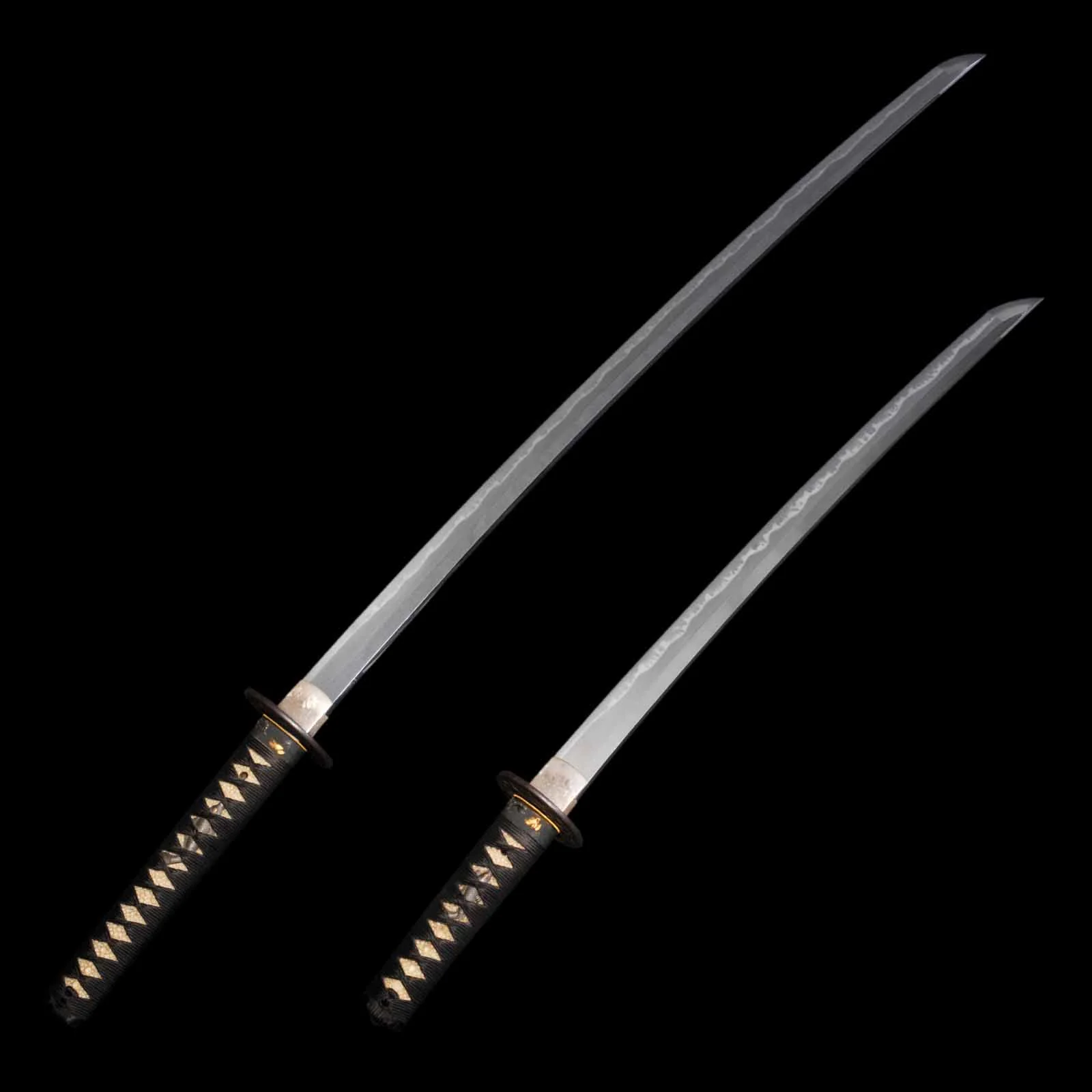
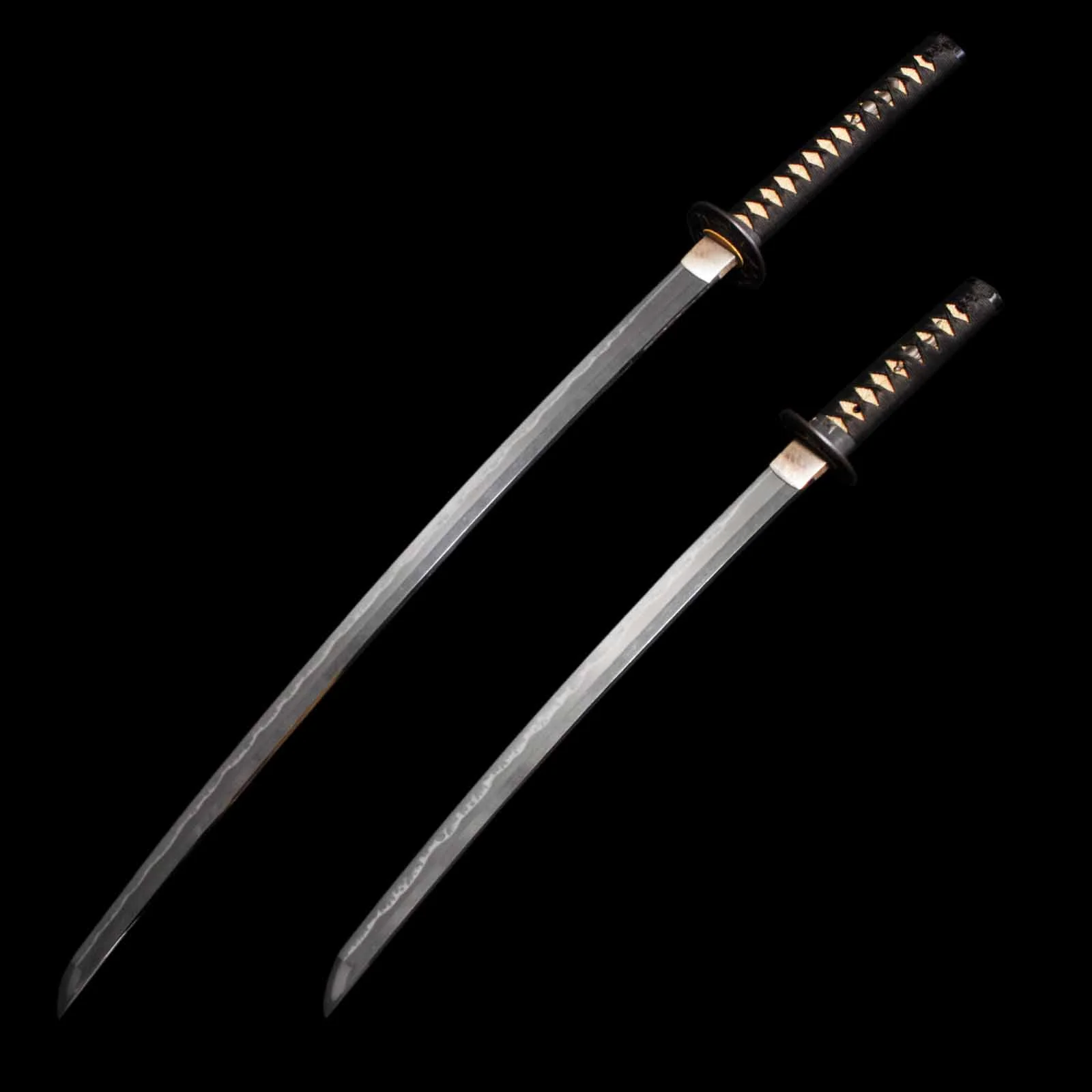
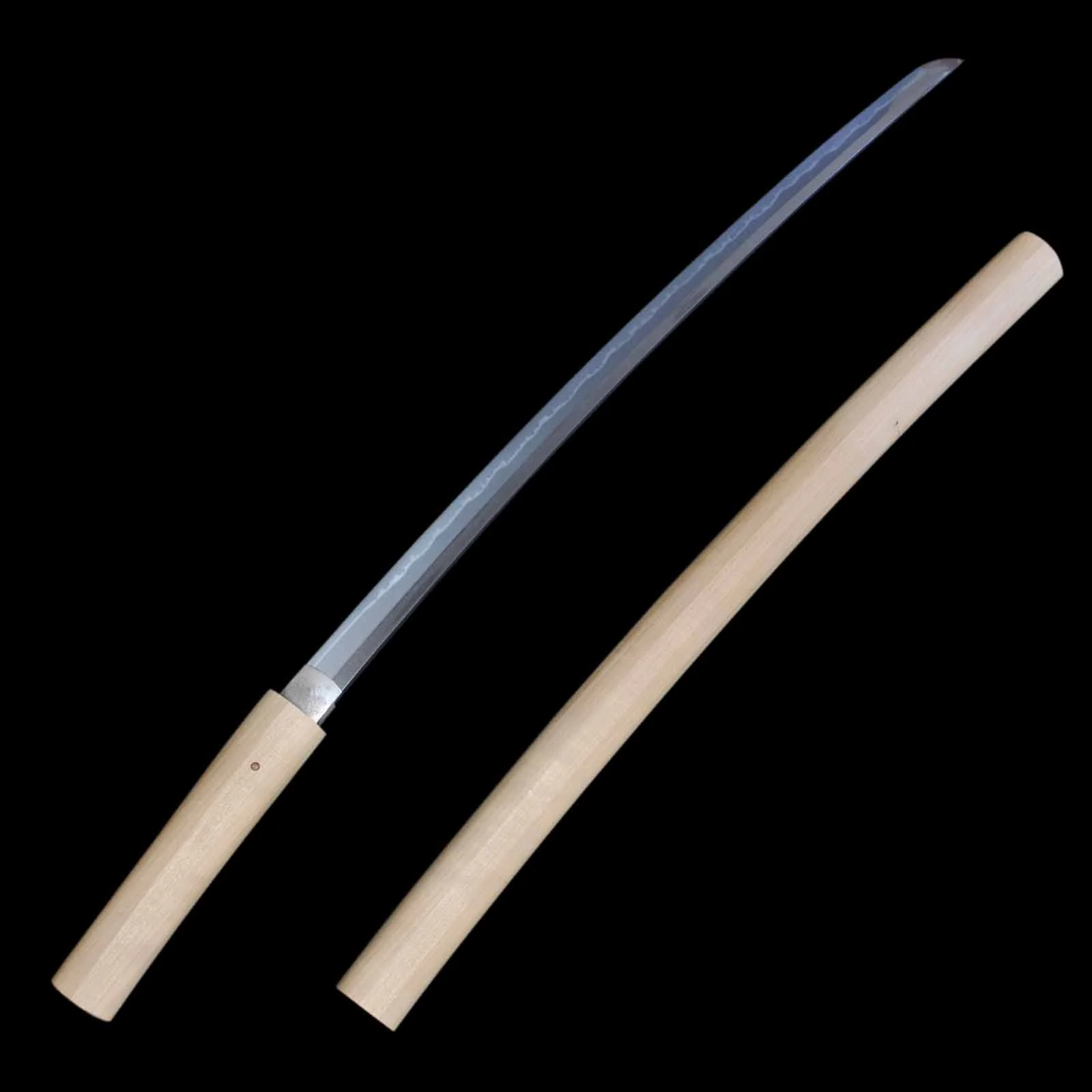
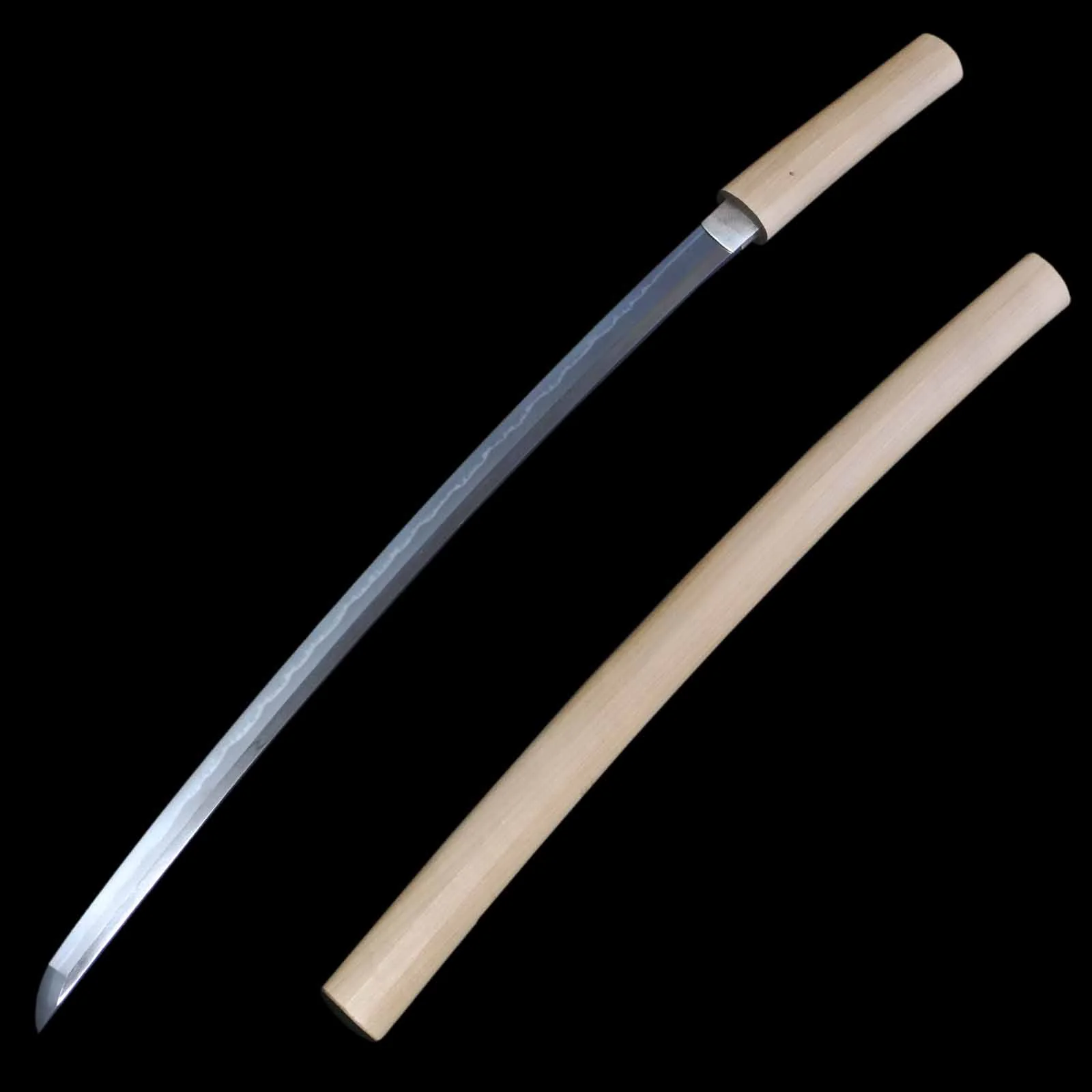
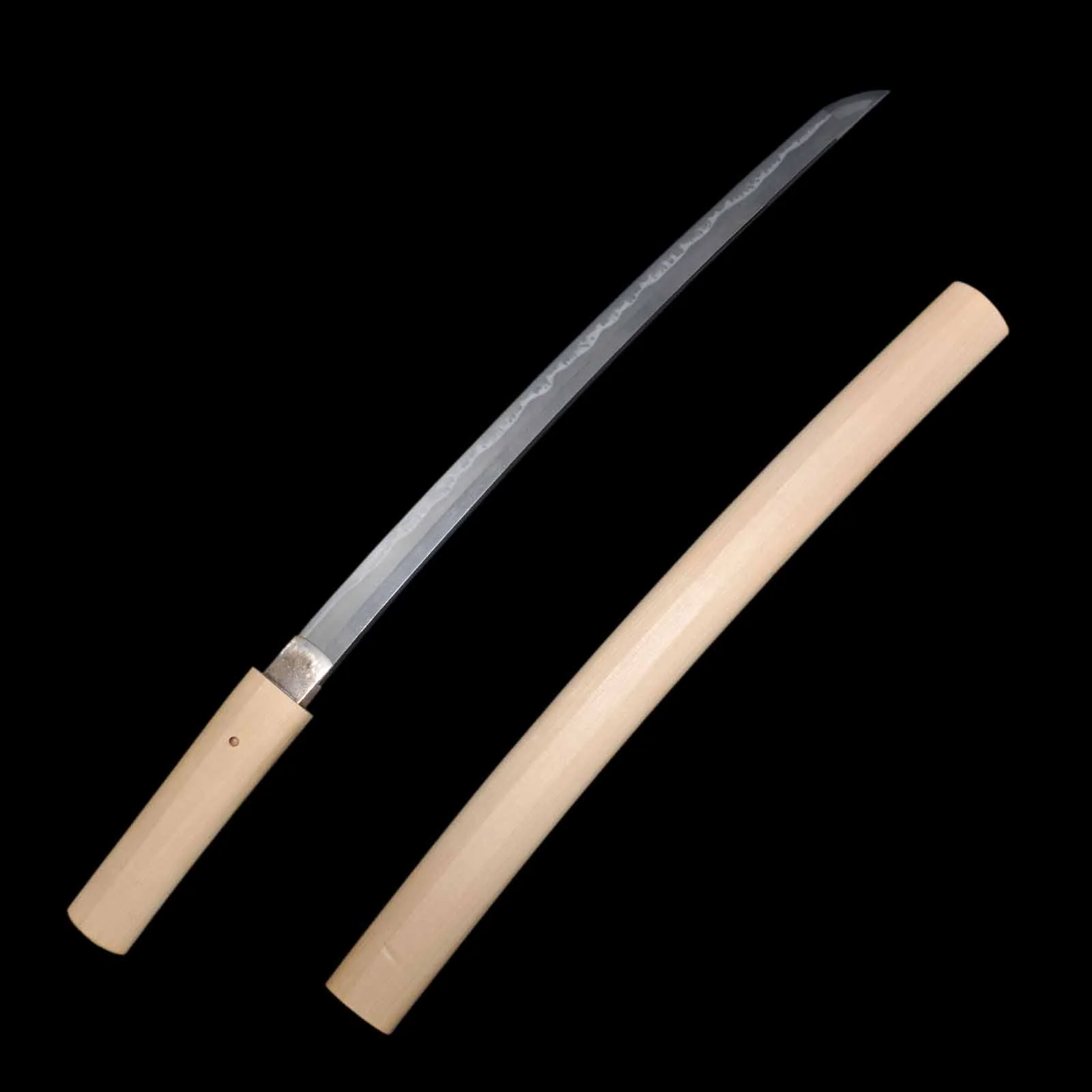
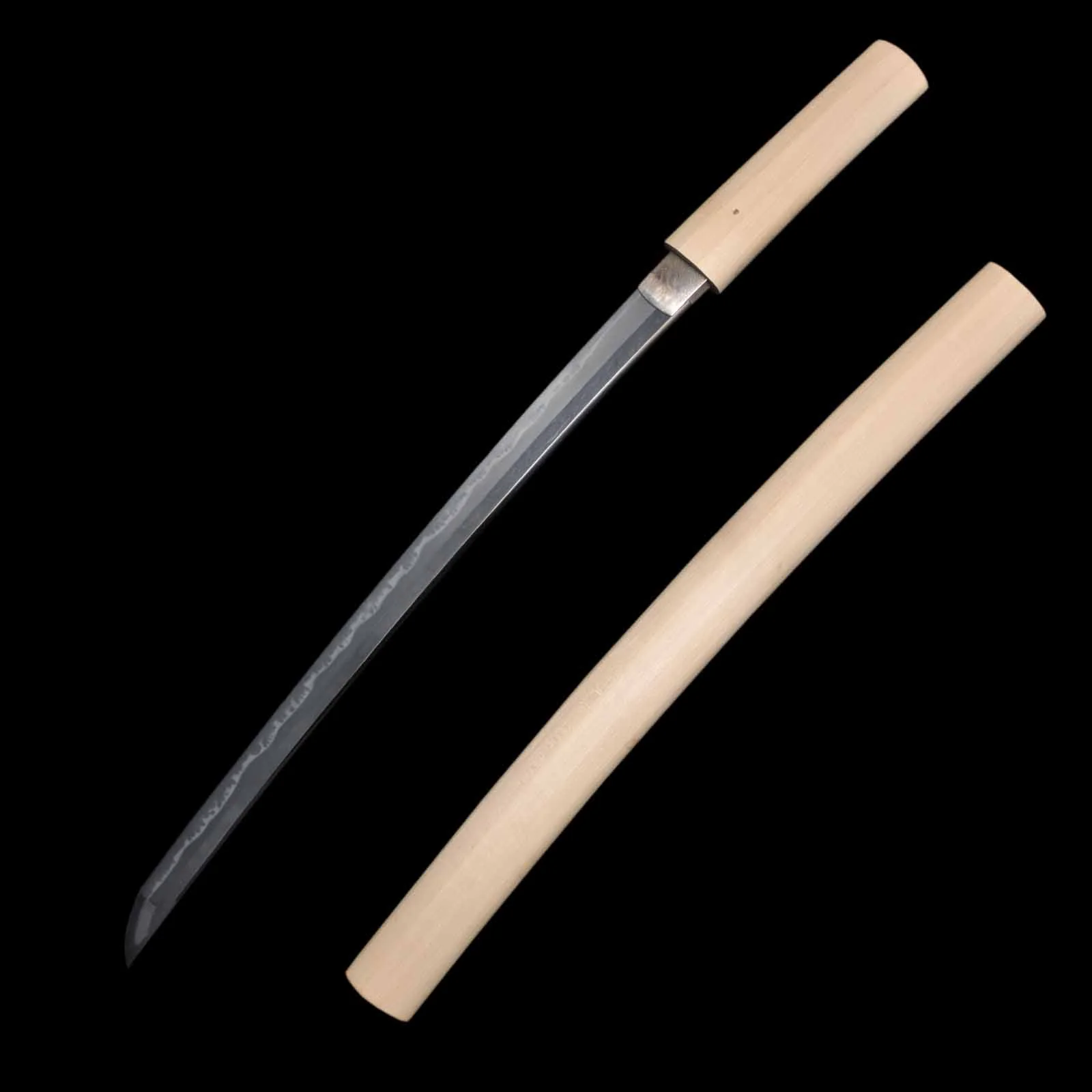
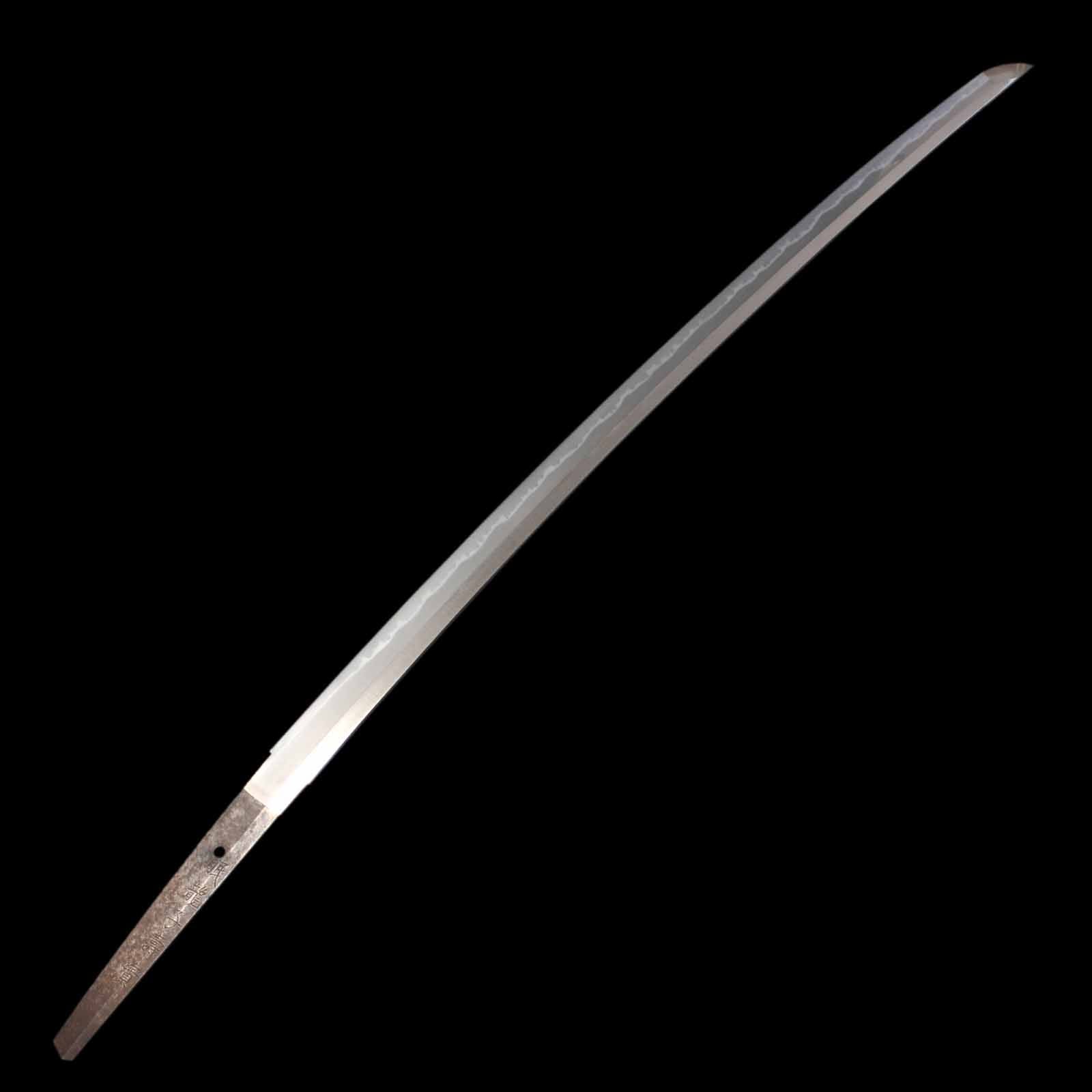
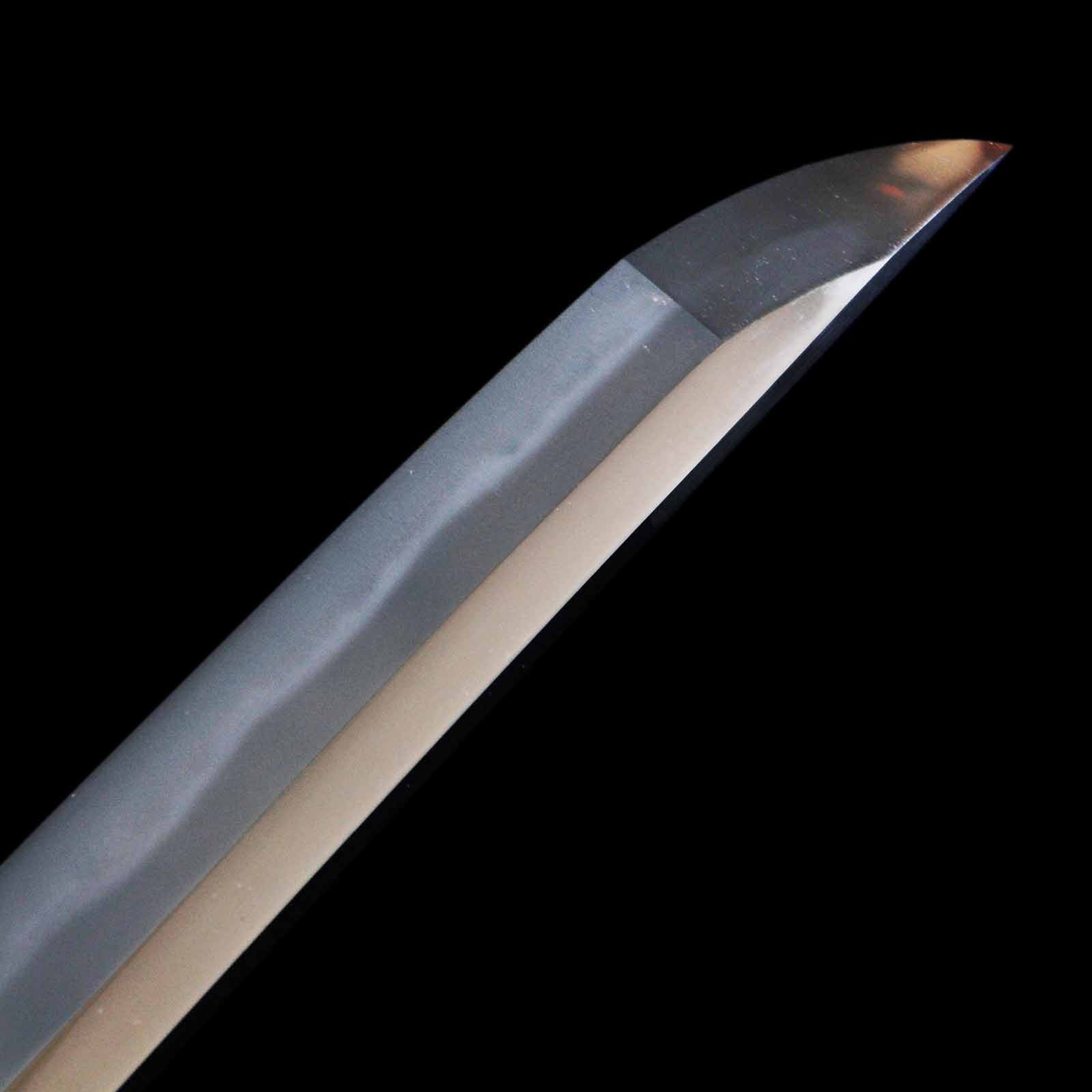
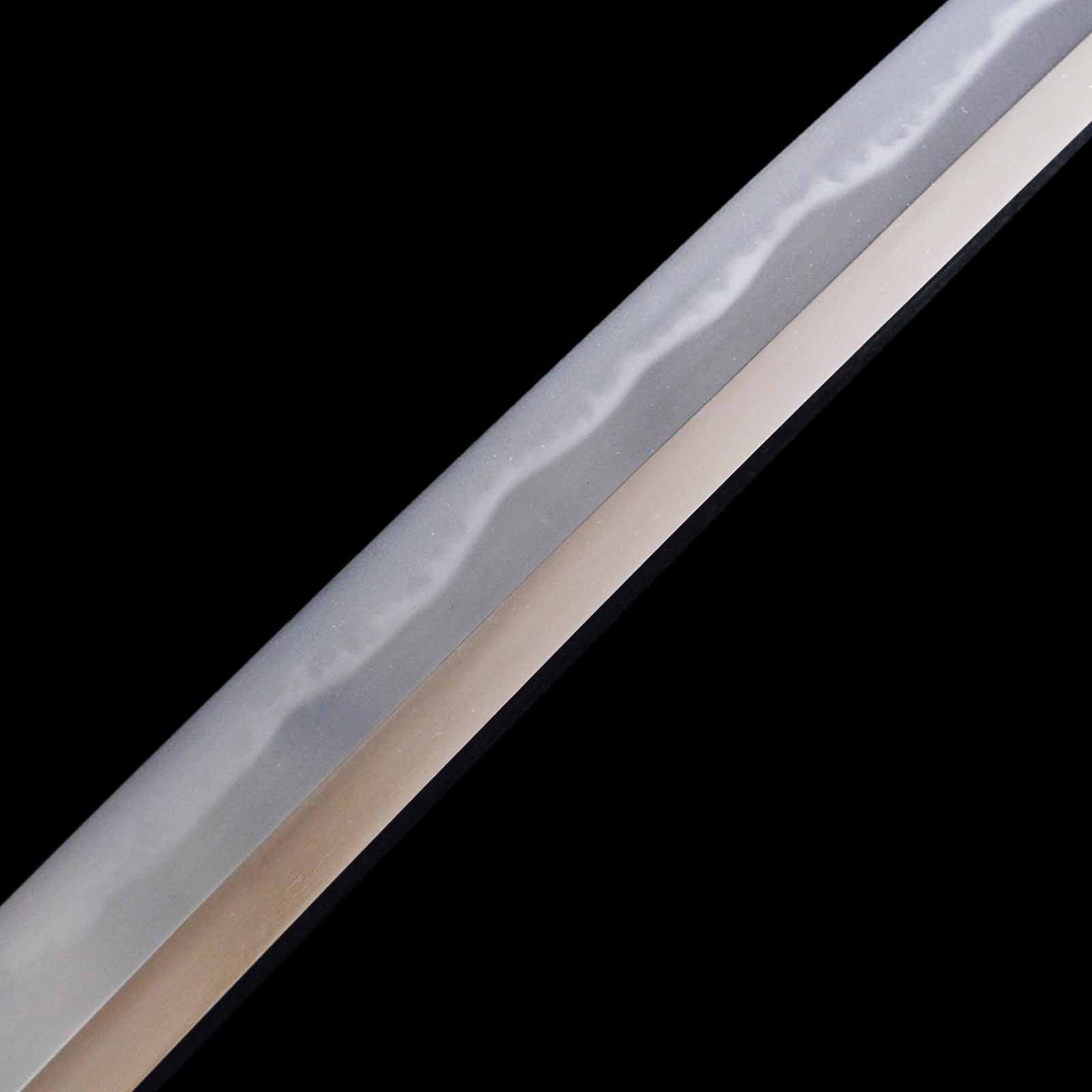
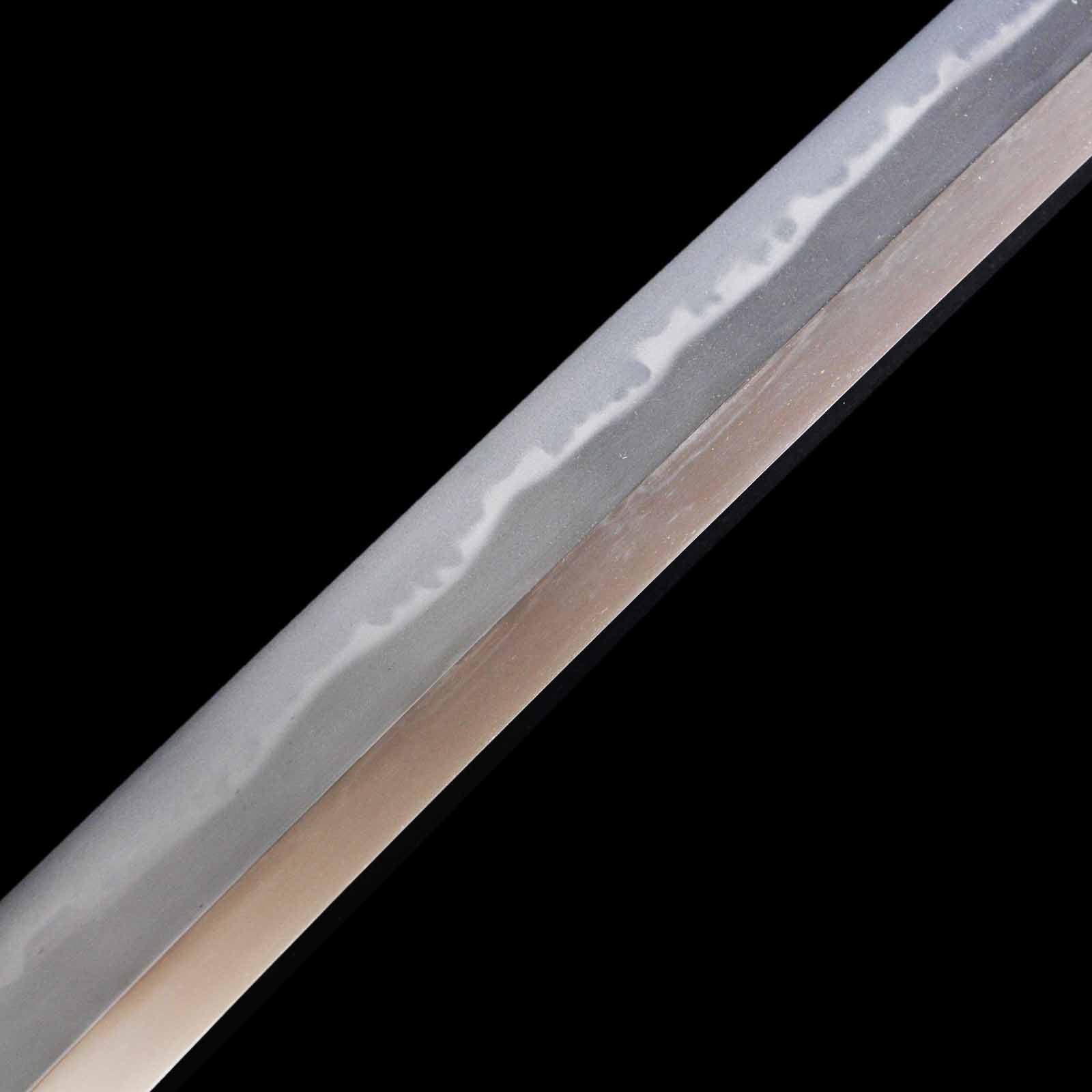
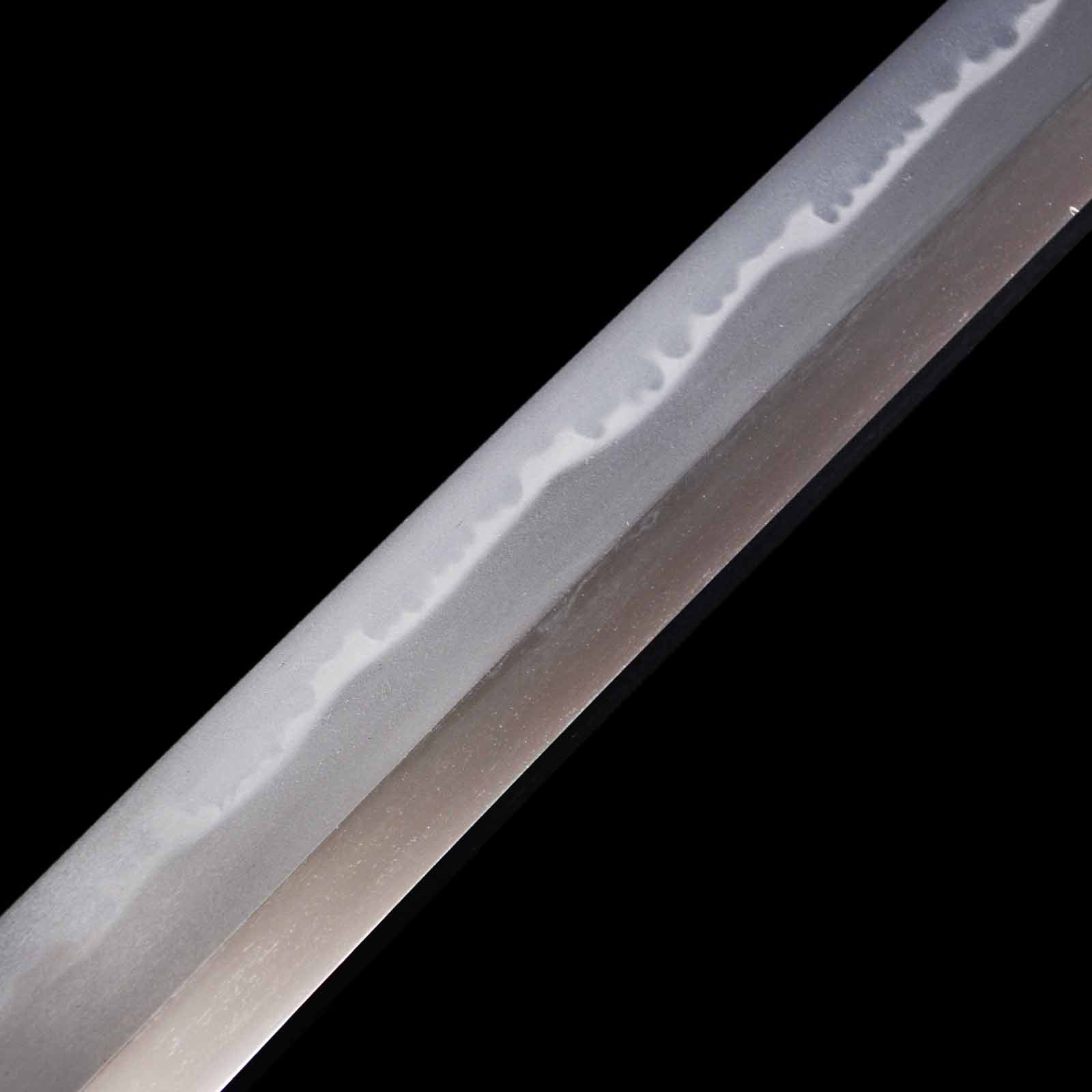
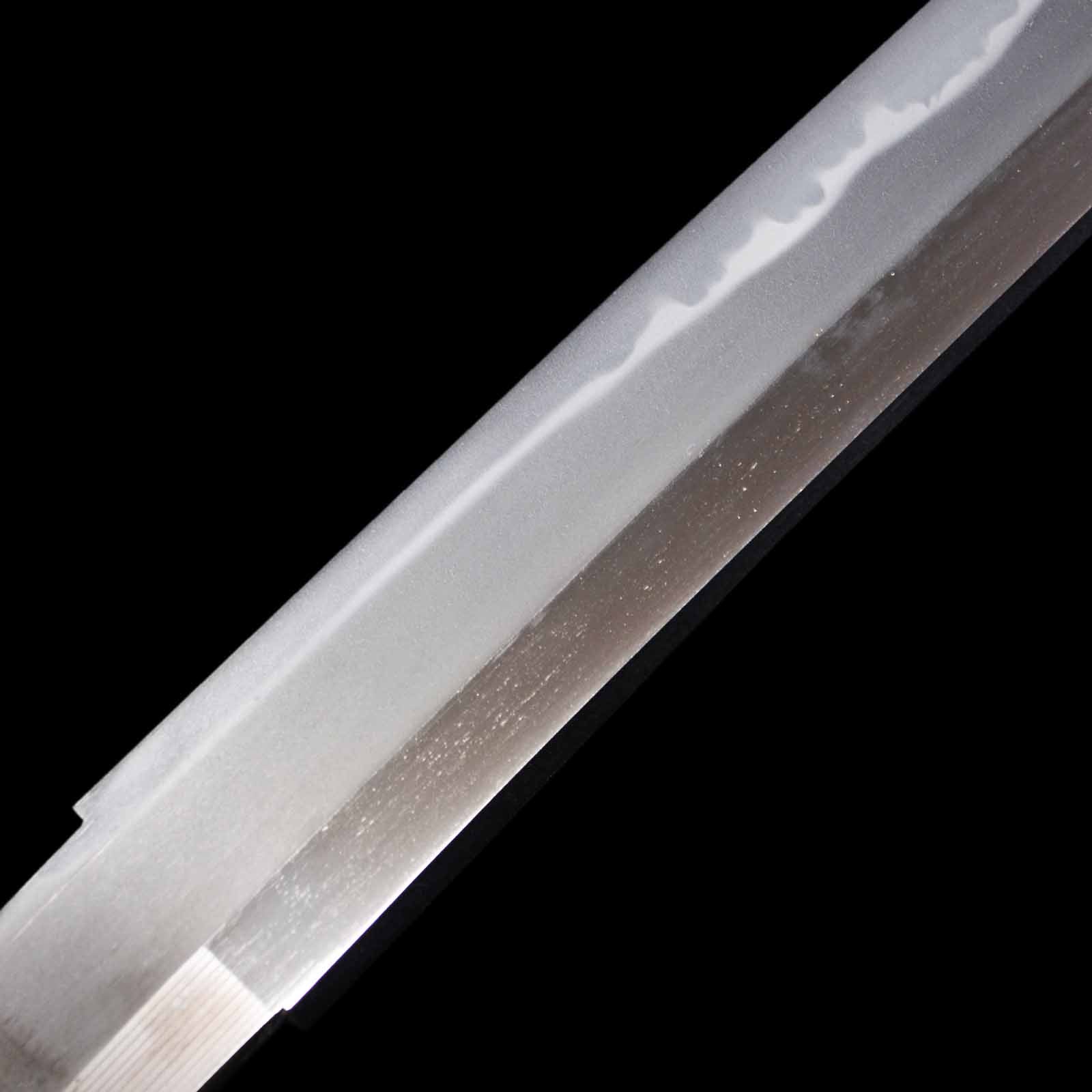
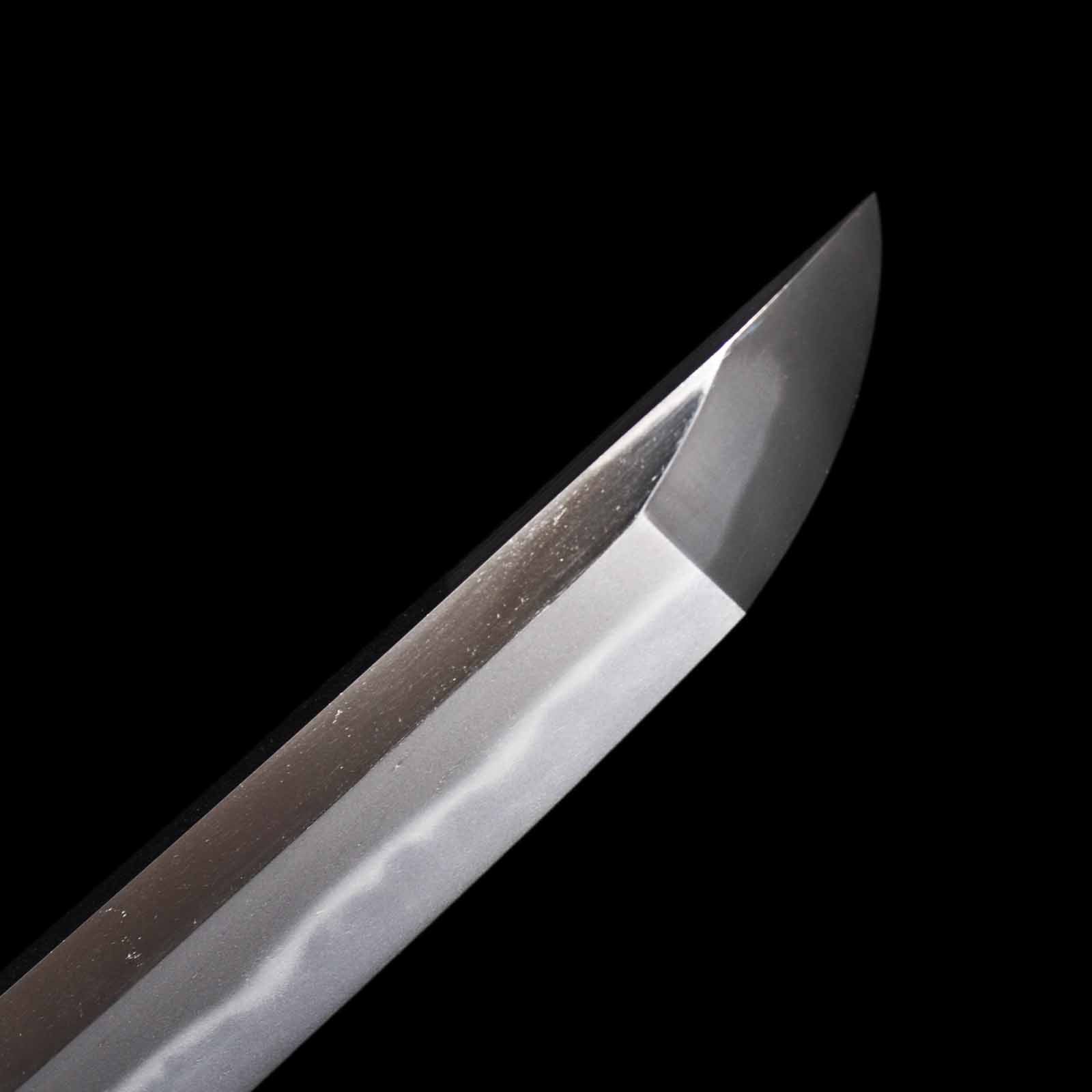
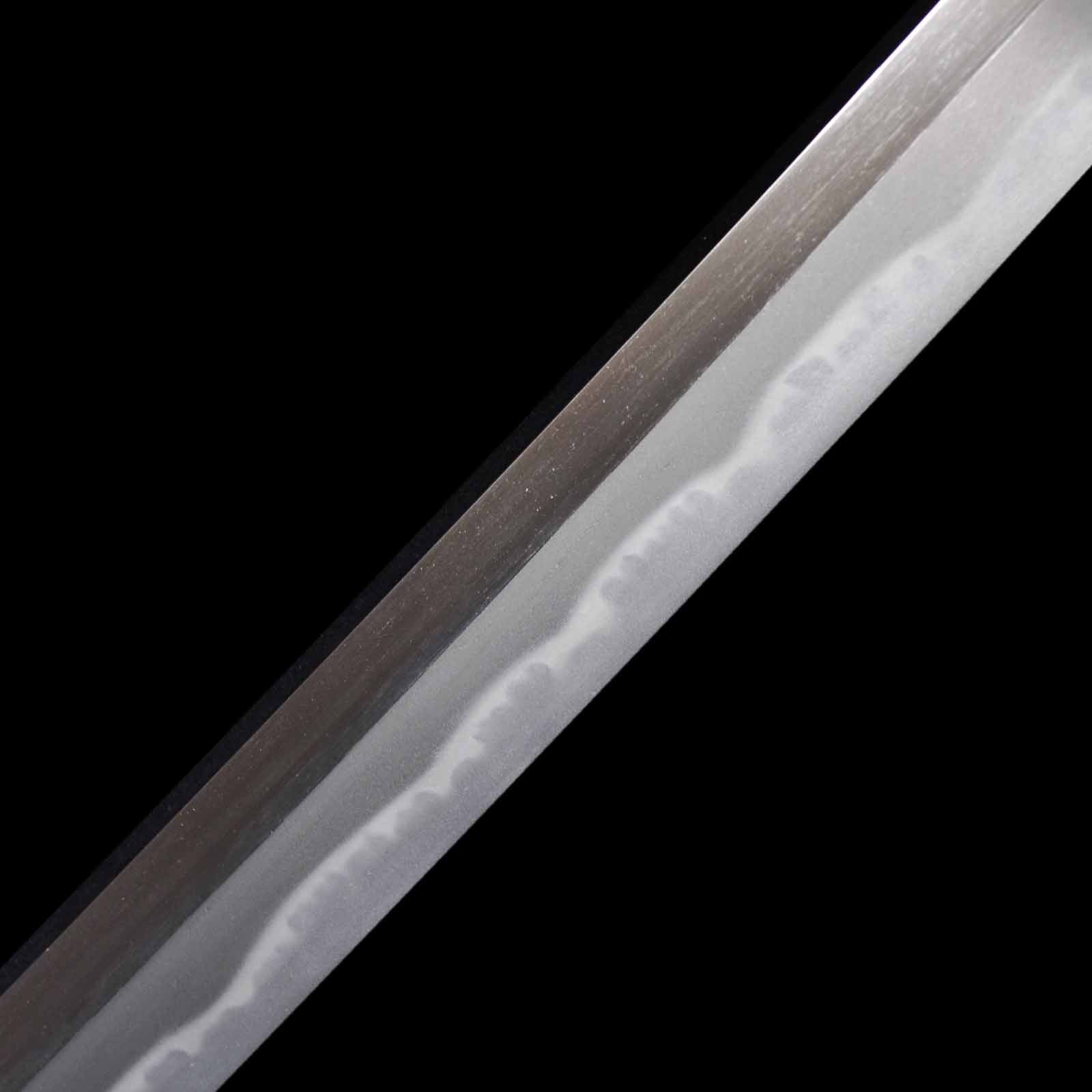
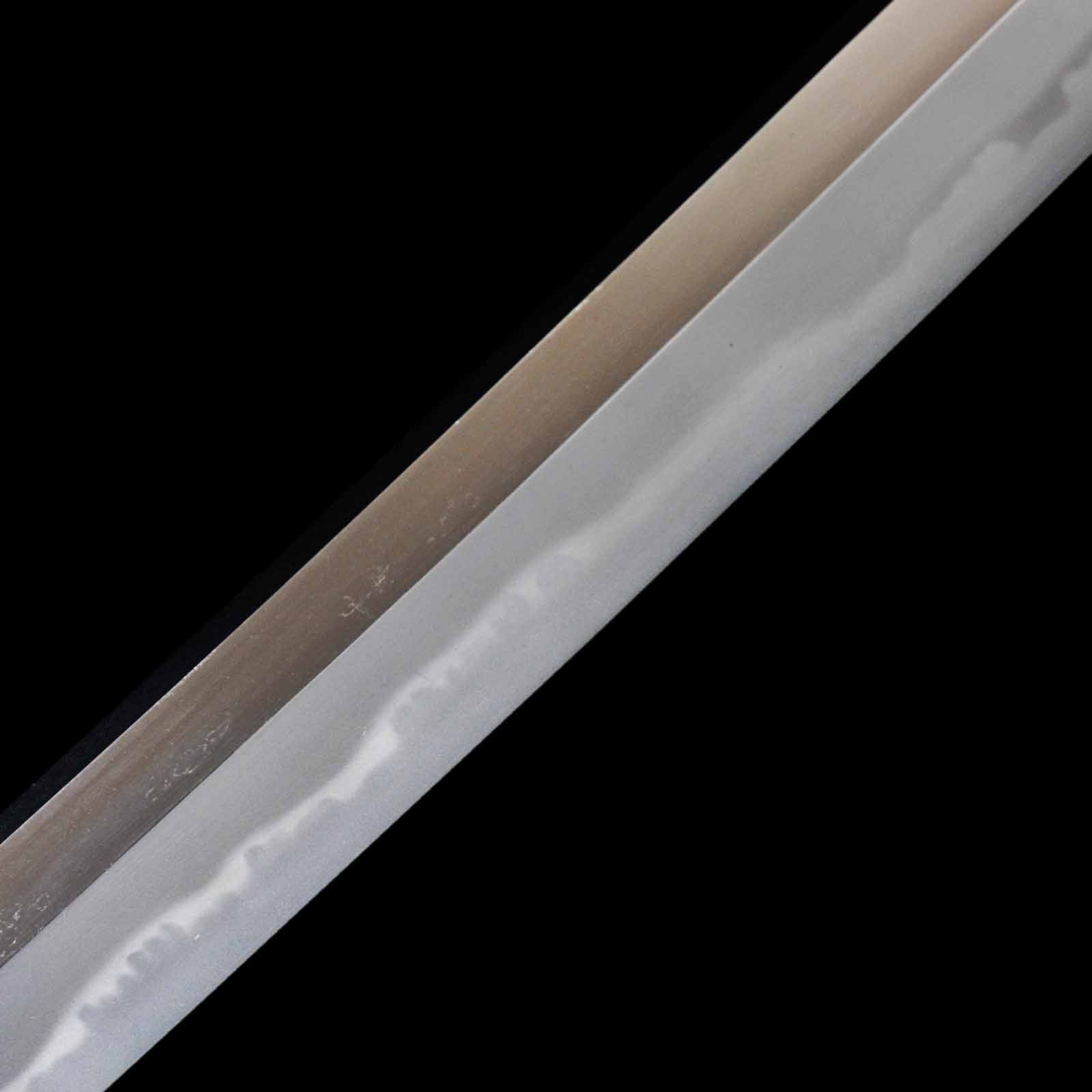
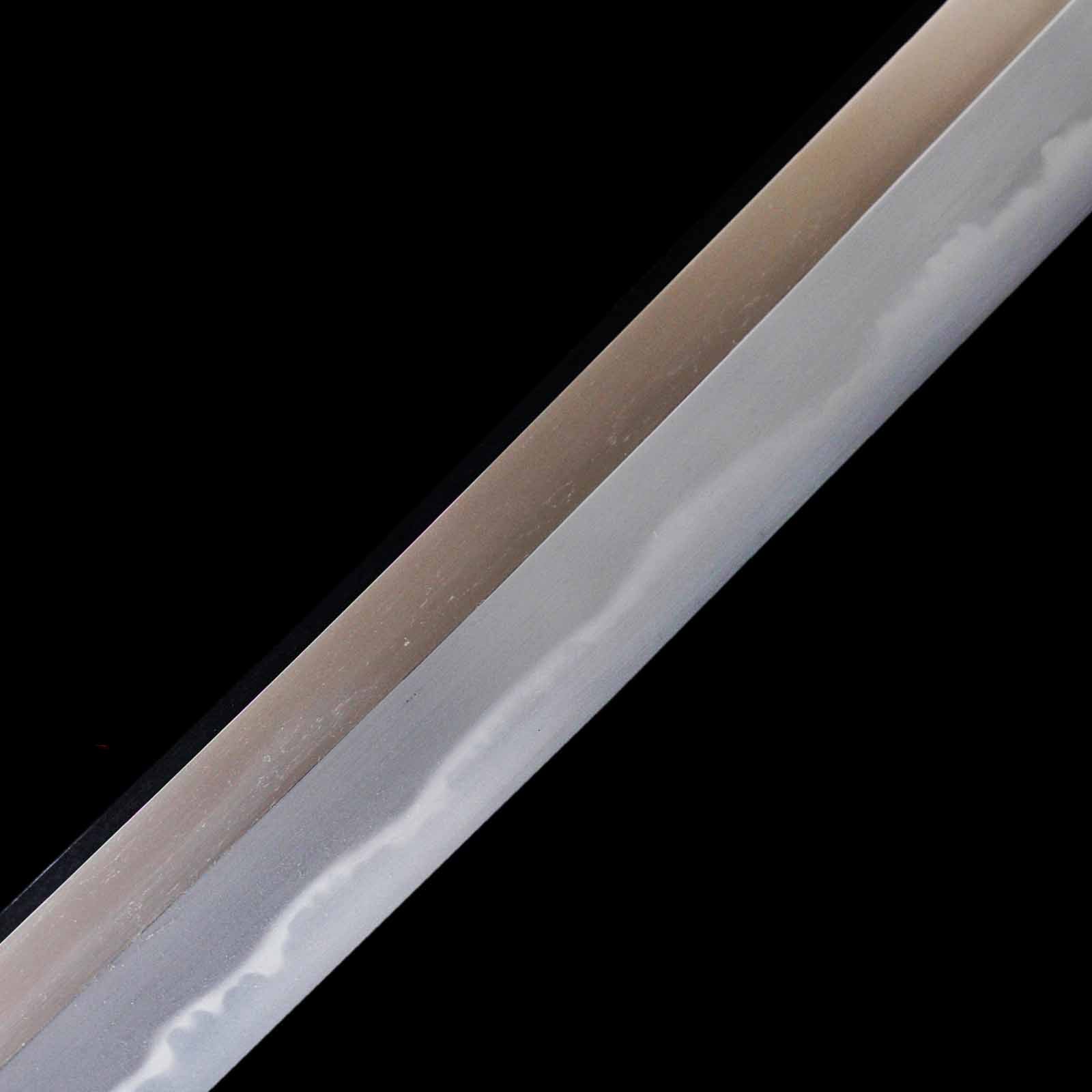
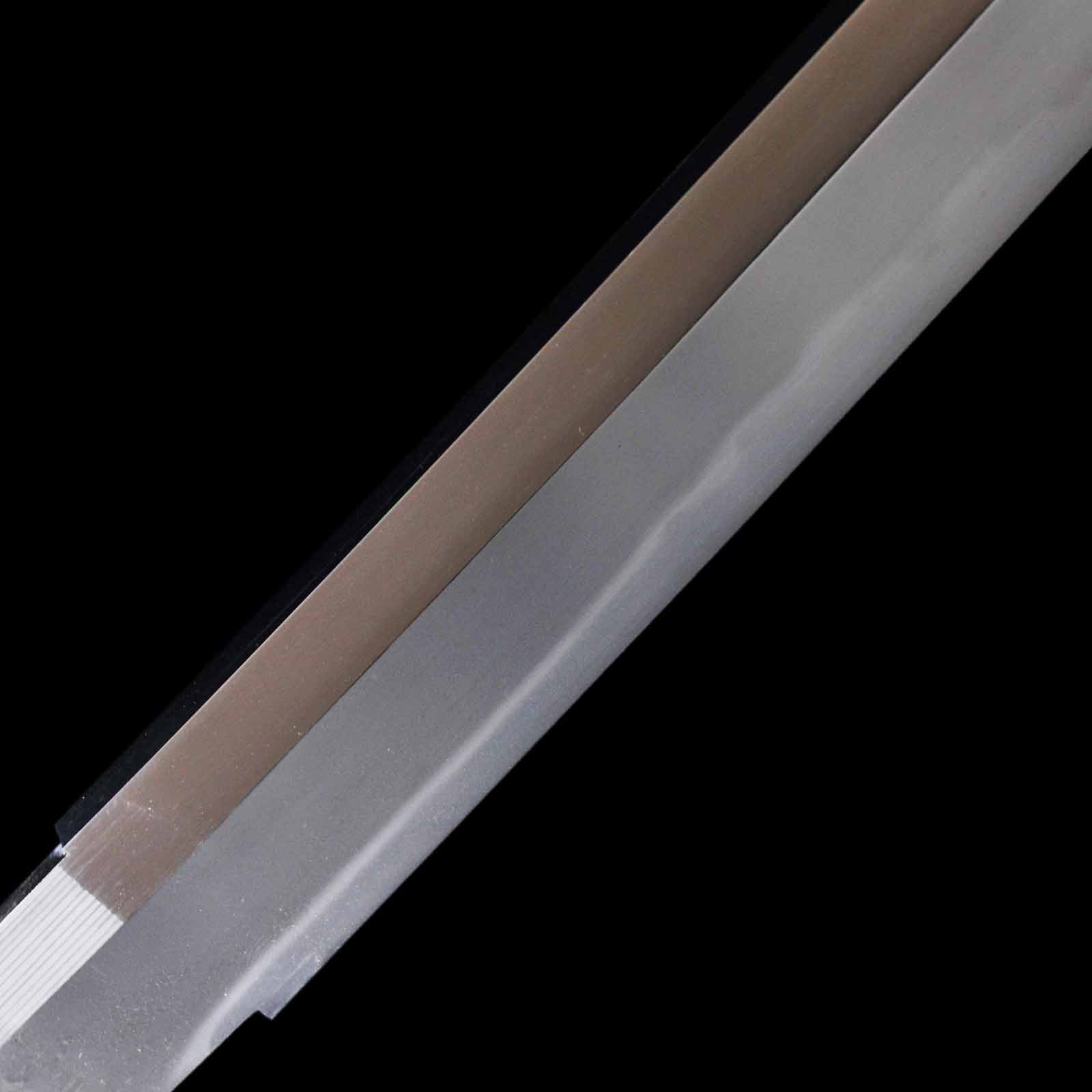
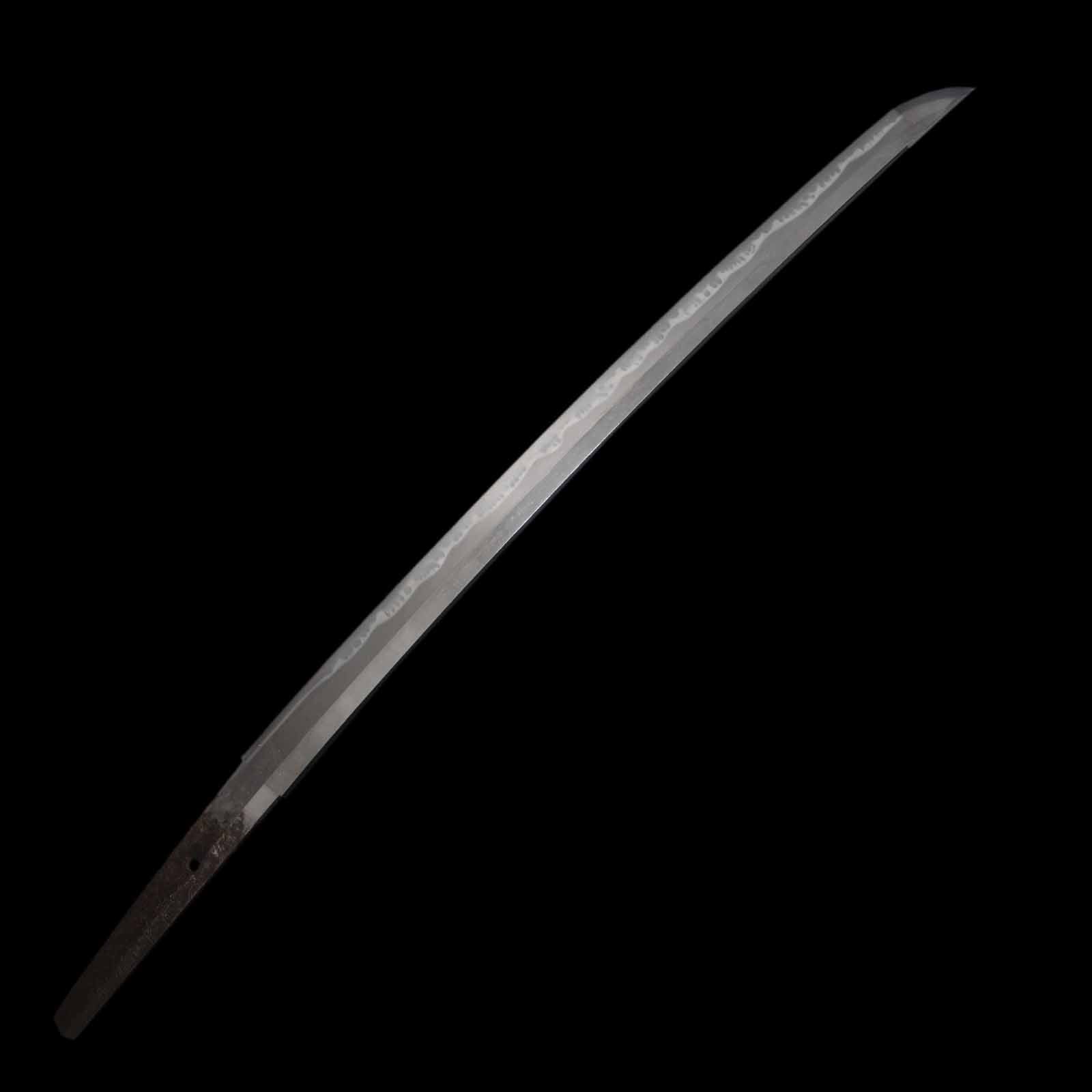
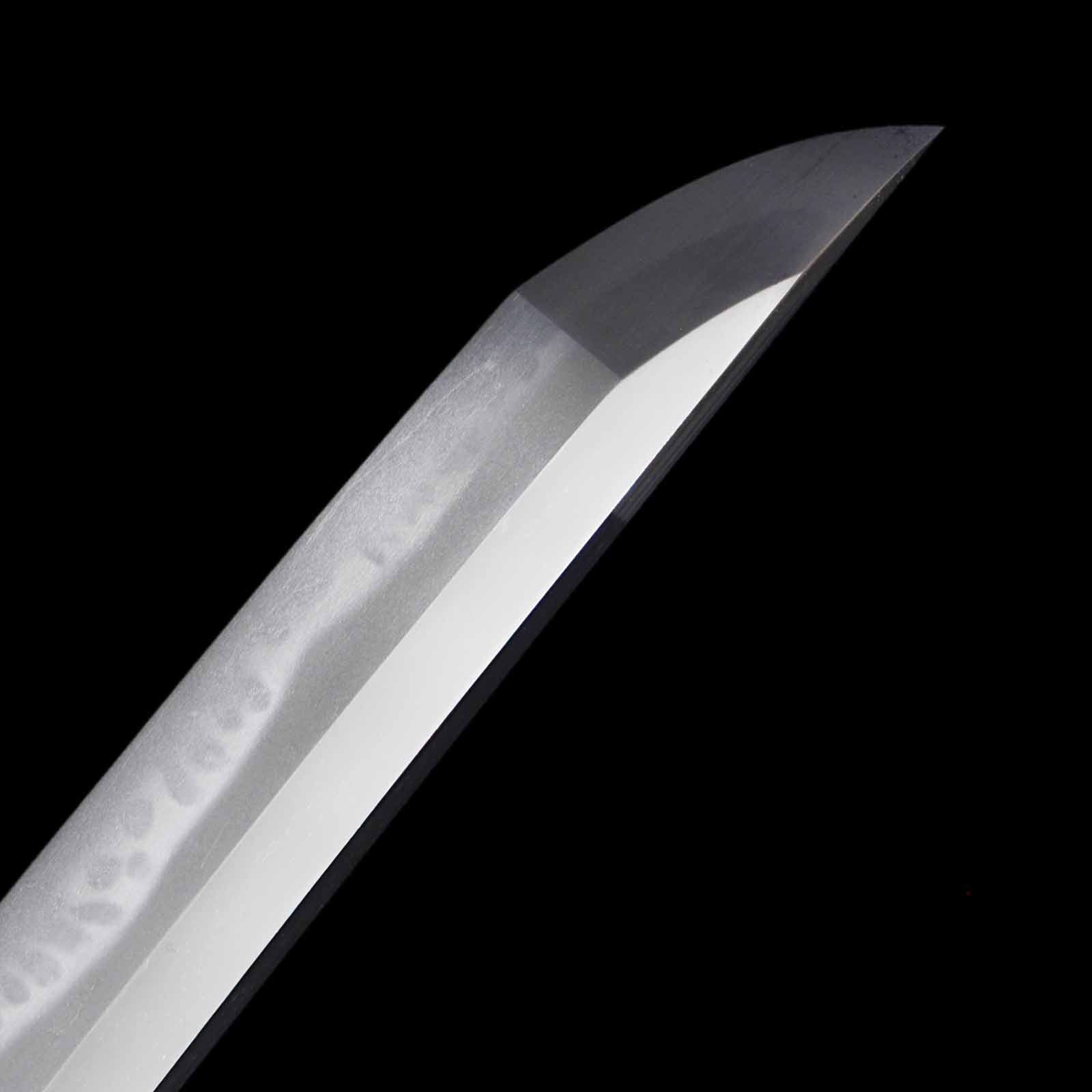
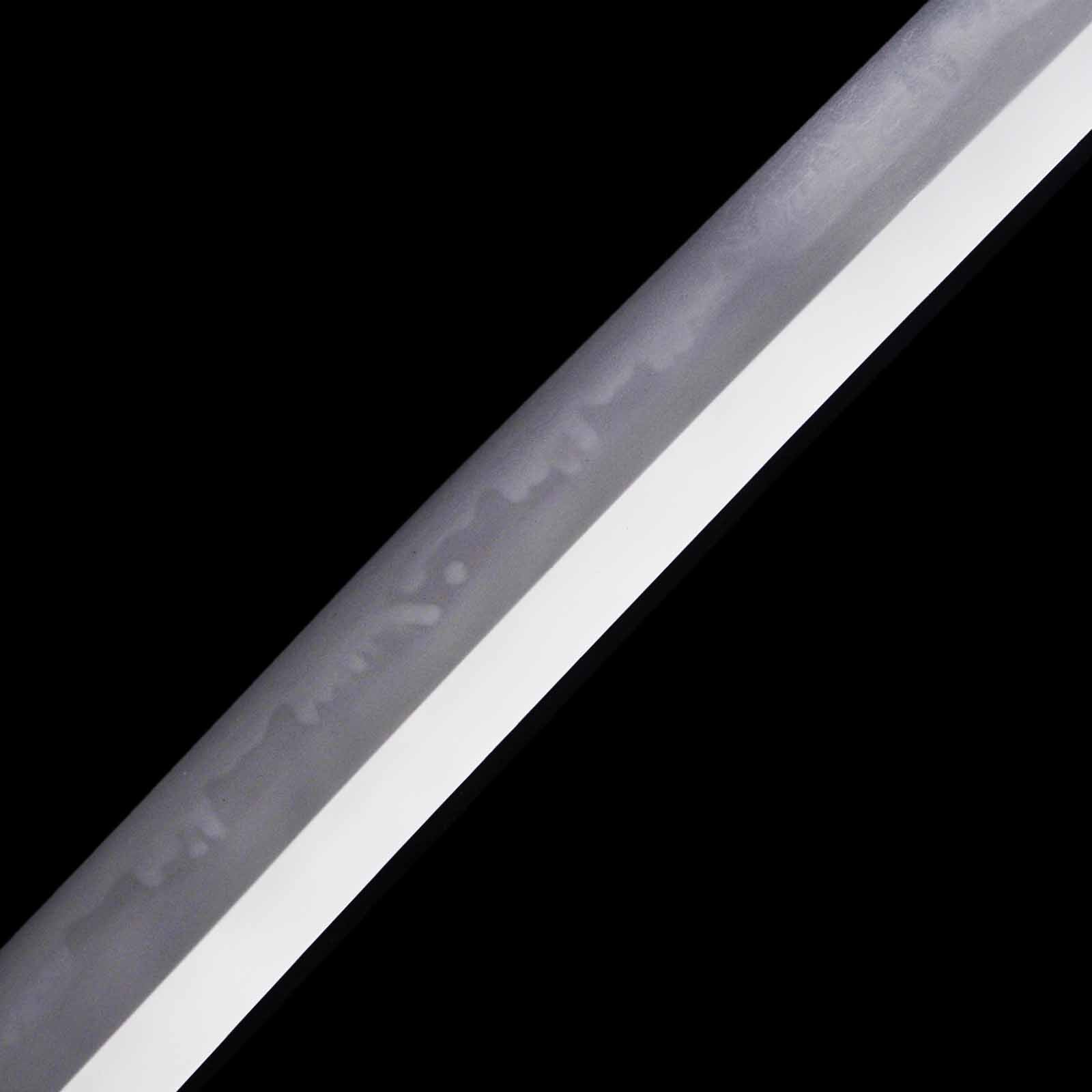
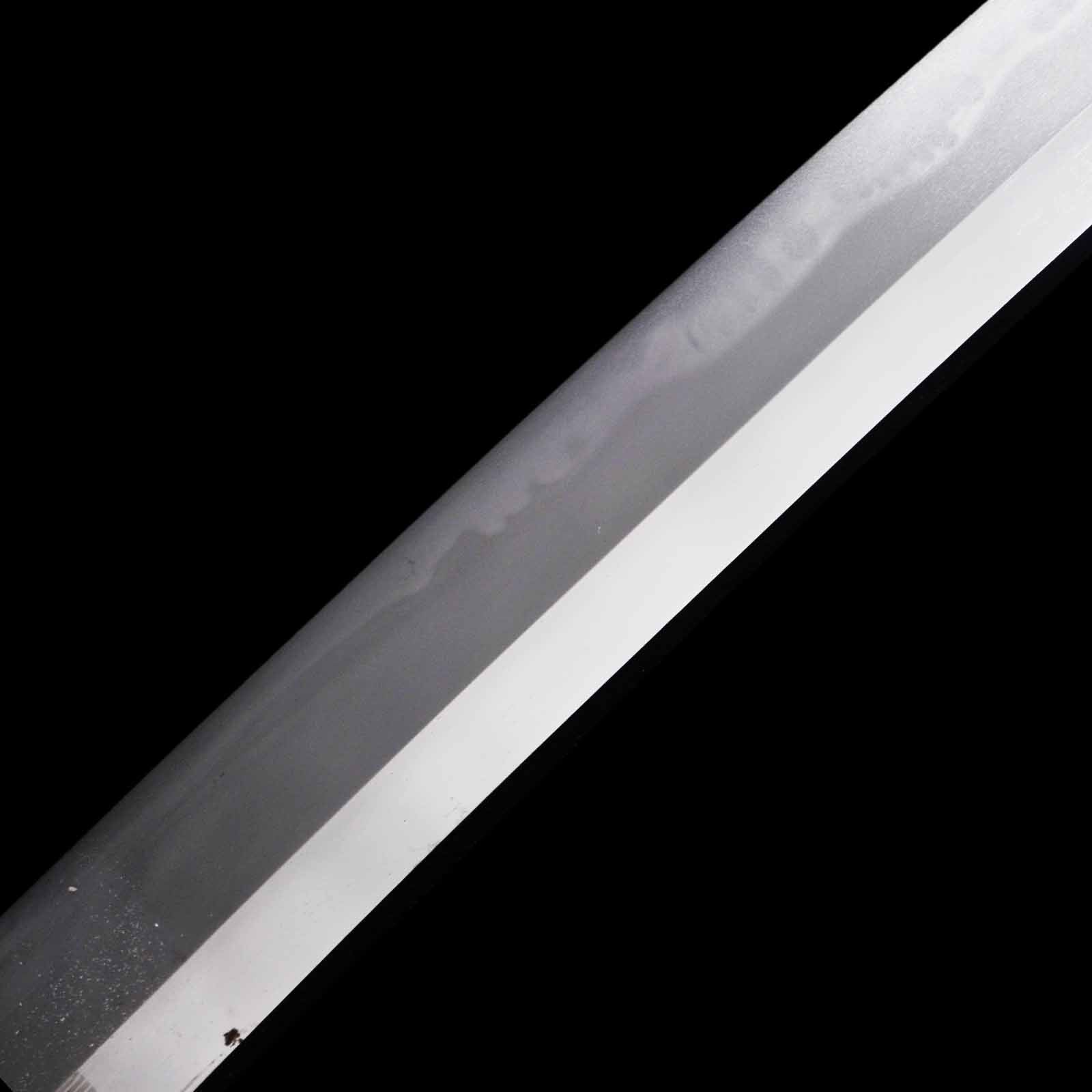
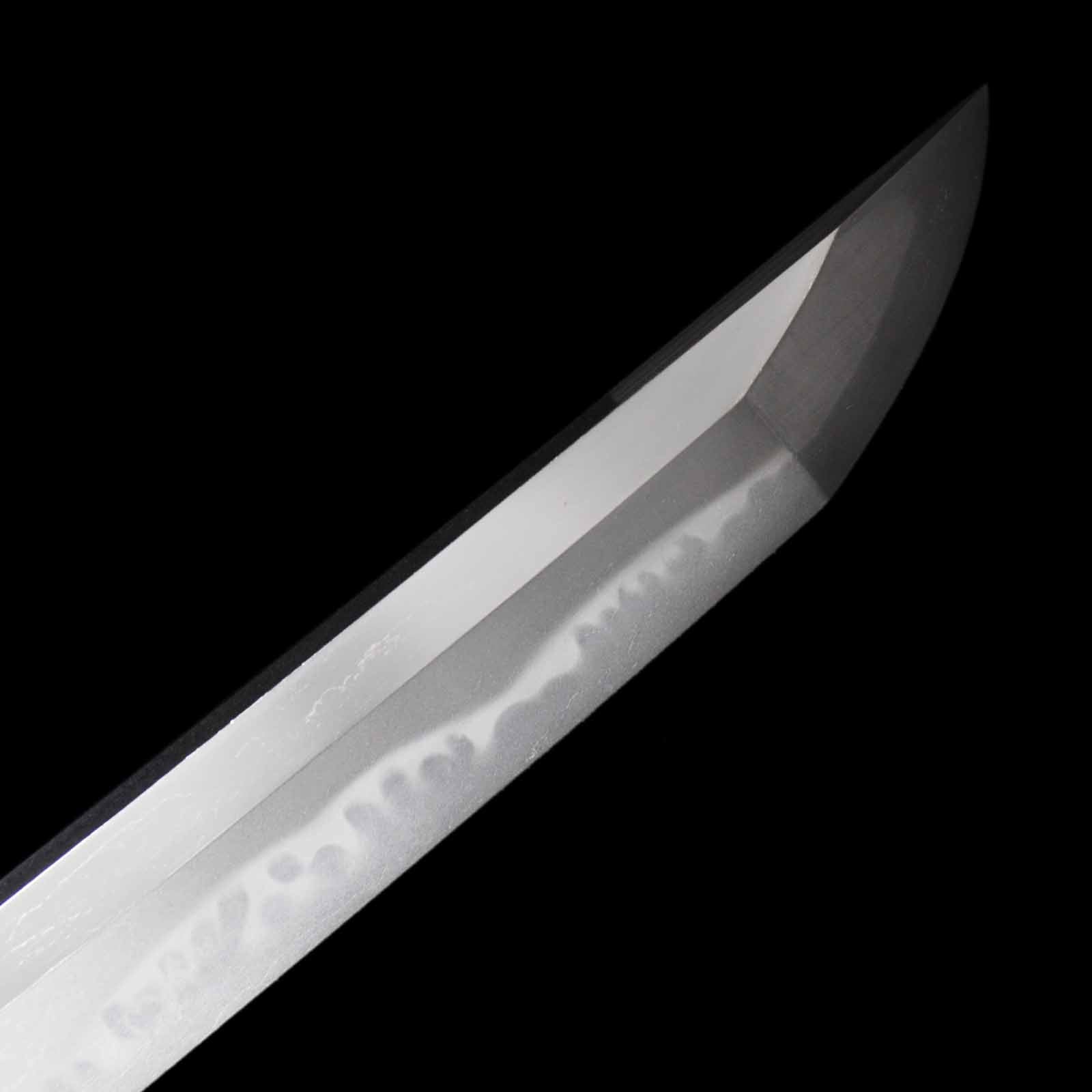
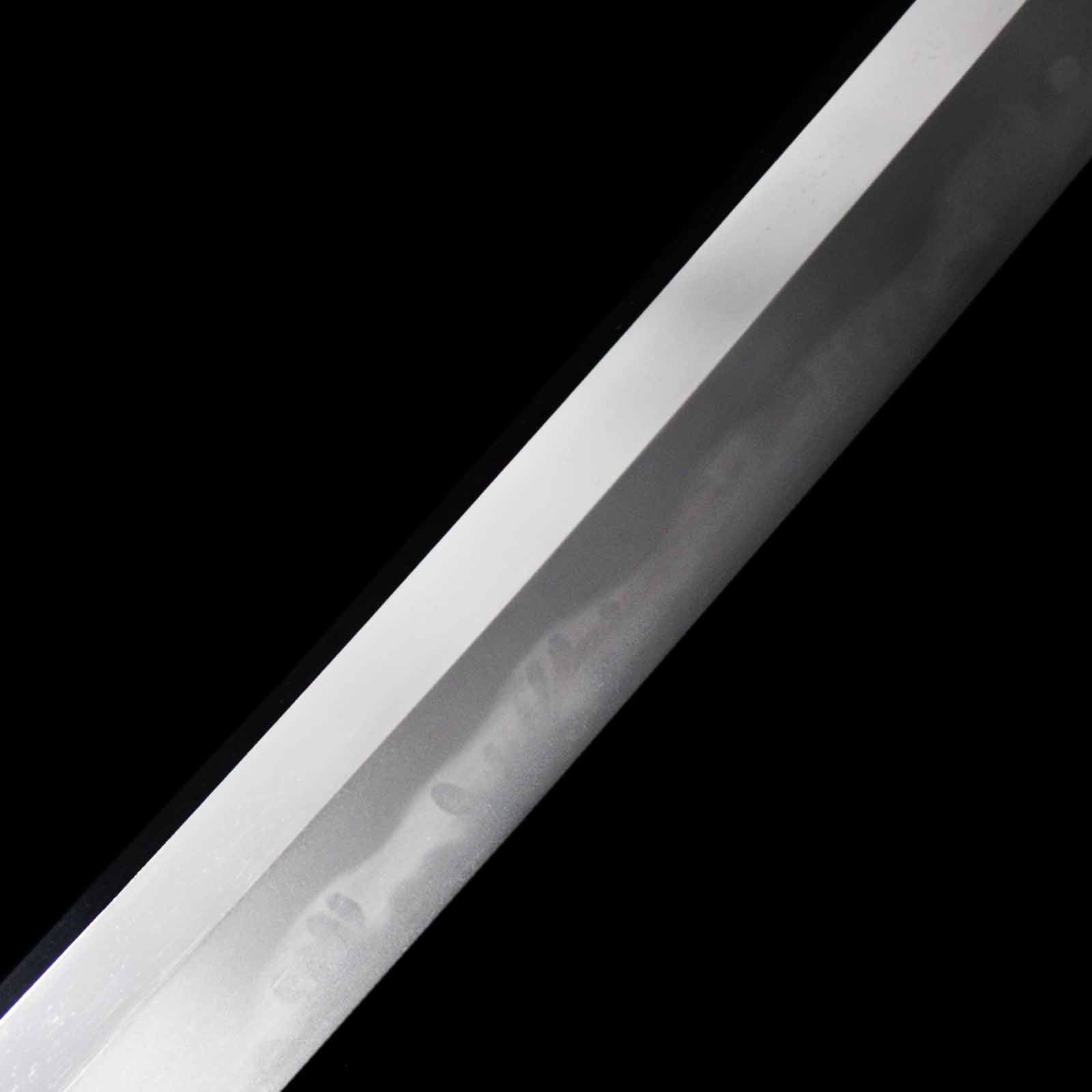
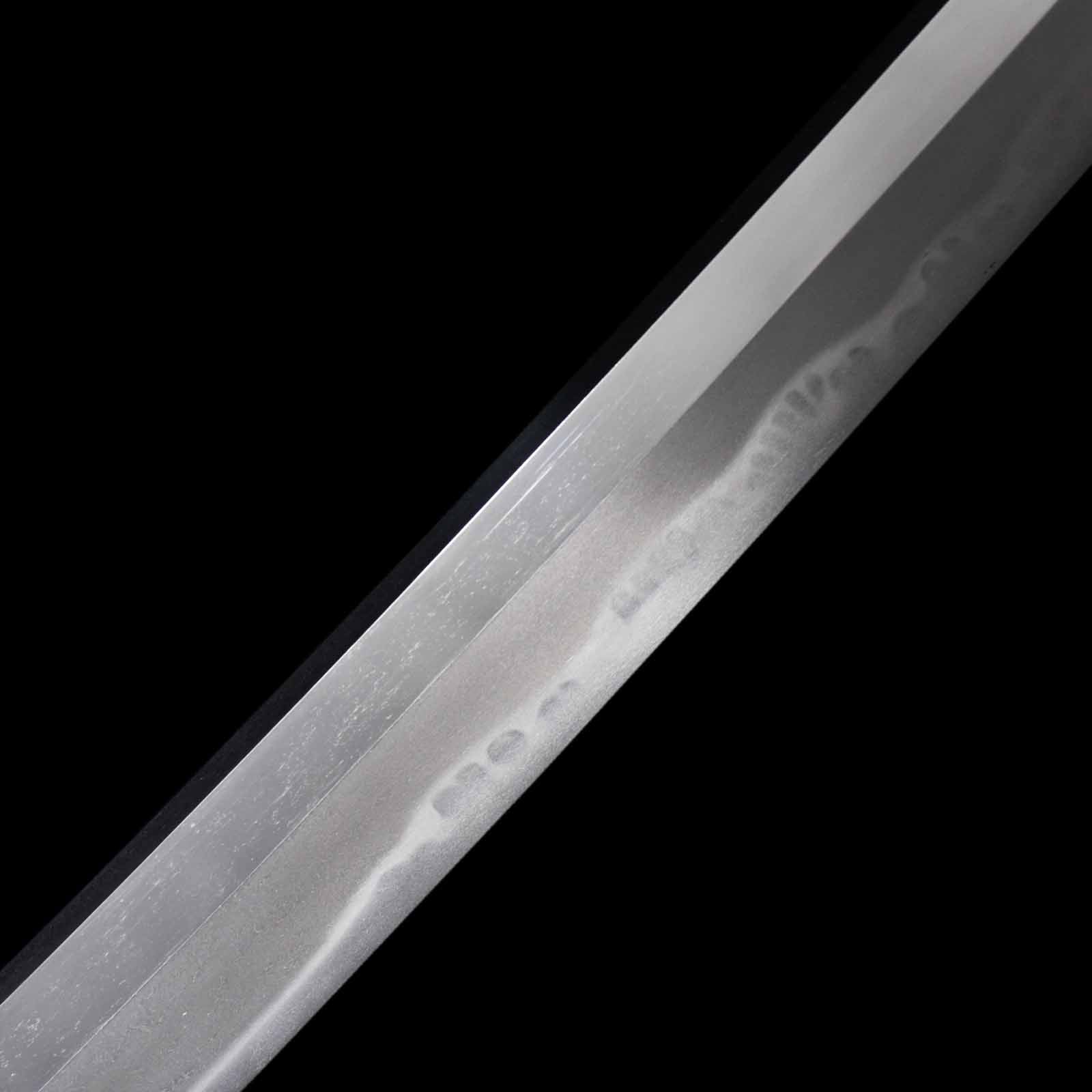
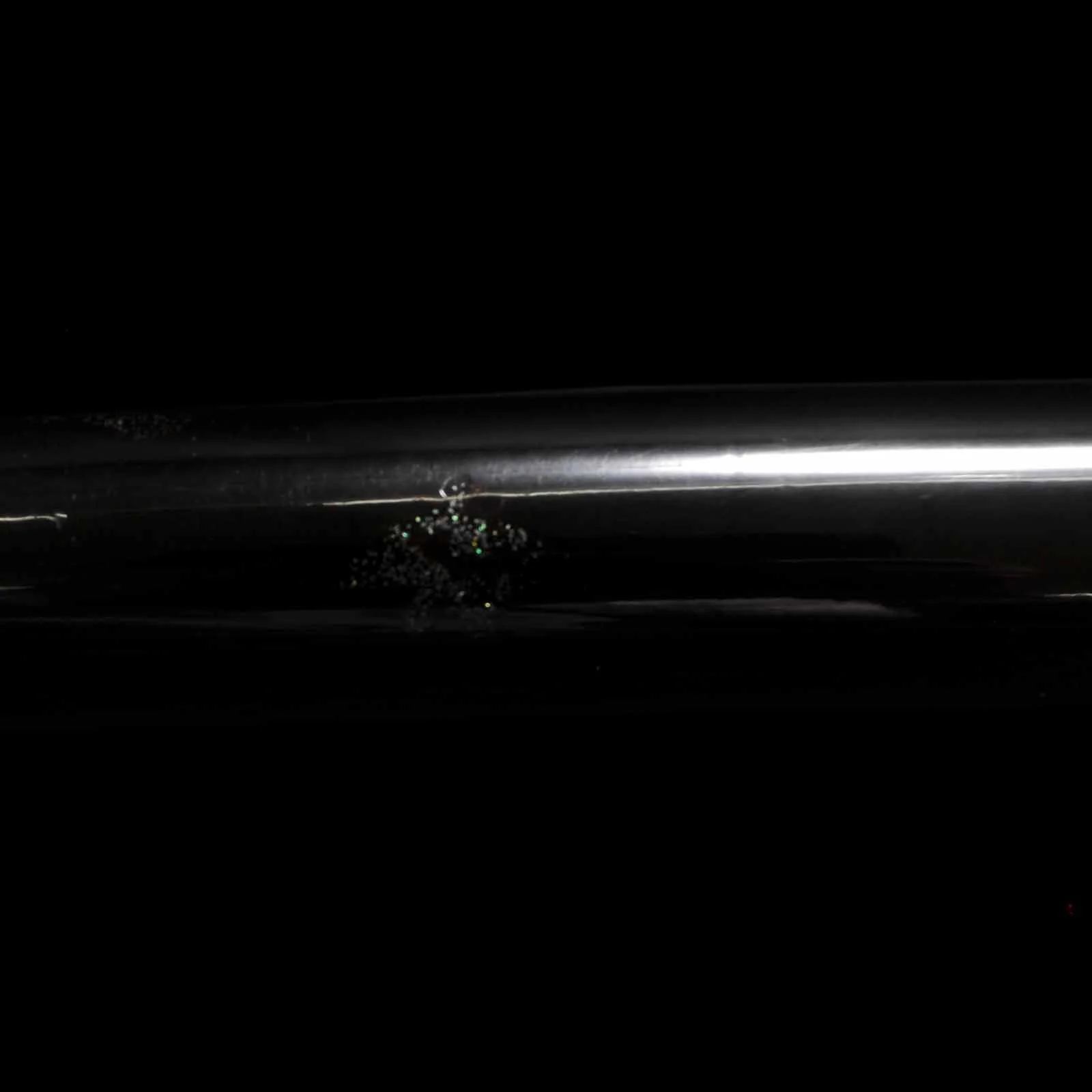
This set of katana and wakizashi was made at the same time as a daisho, in August of 1818. Both the katana and wakizashi are in extremely well-preserved condition, with no flaws, chips, or rust of any kind. The hada is a well-packed ko-itame with well visible chikei. The katana's hamon is choji-midare with active visible ashinaga choji and nie in the ha. The hamon of Wakizashi is also choji-midare, but the ashi are longer, reminiscent of a saw. The boshi of the katana is nakamaru in shape, and the boshi of the wakizashi is slightly omaru-like.
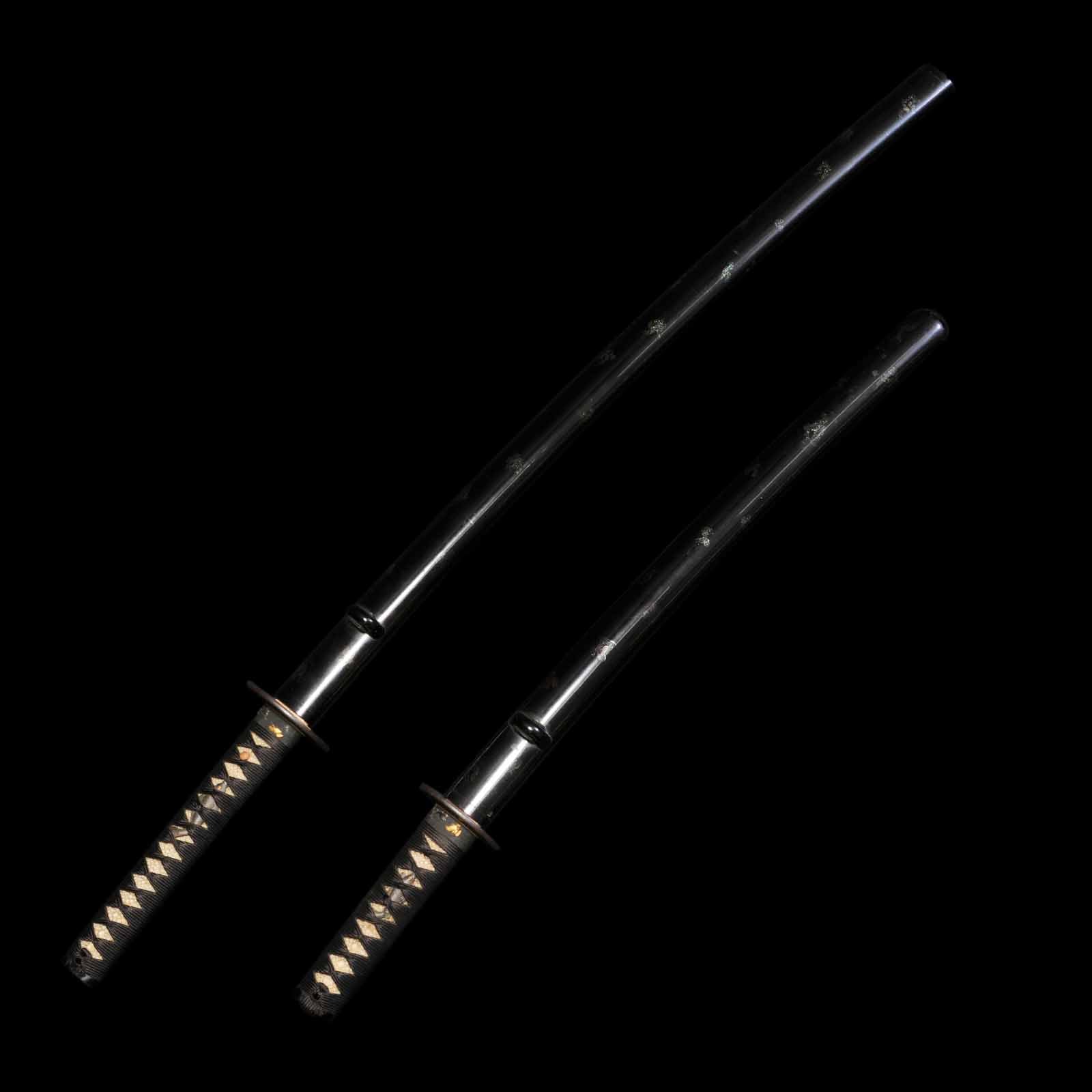
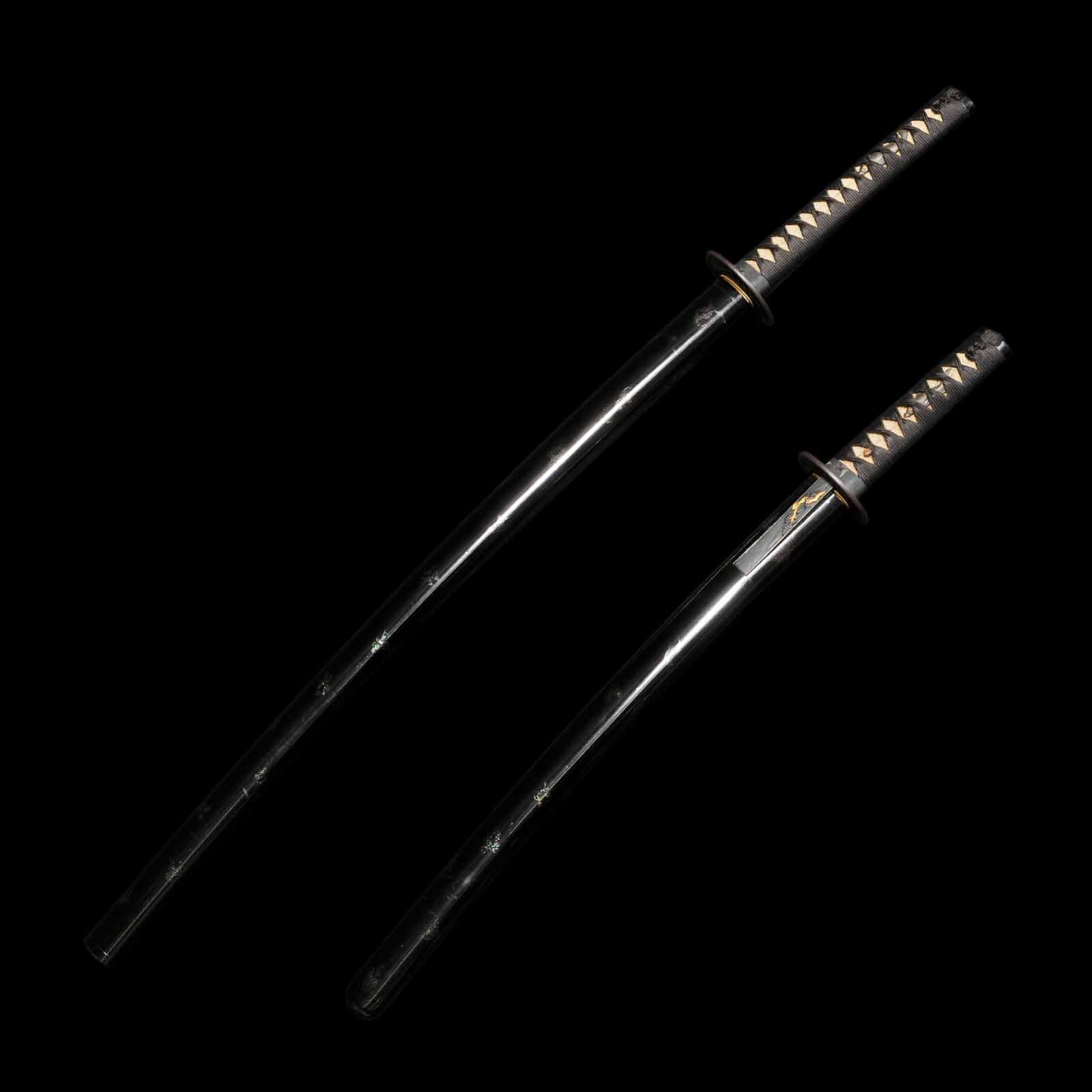
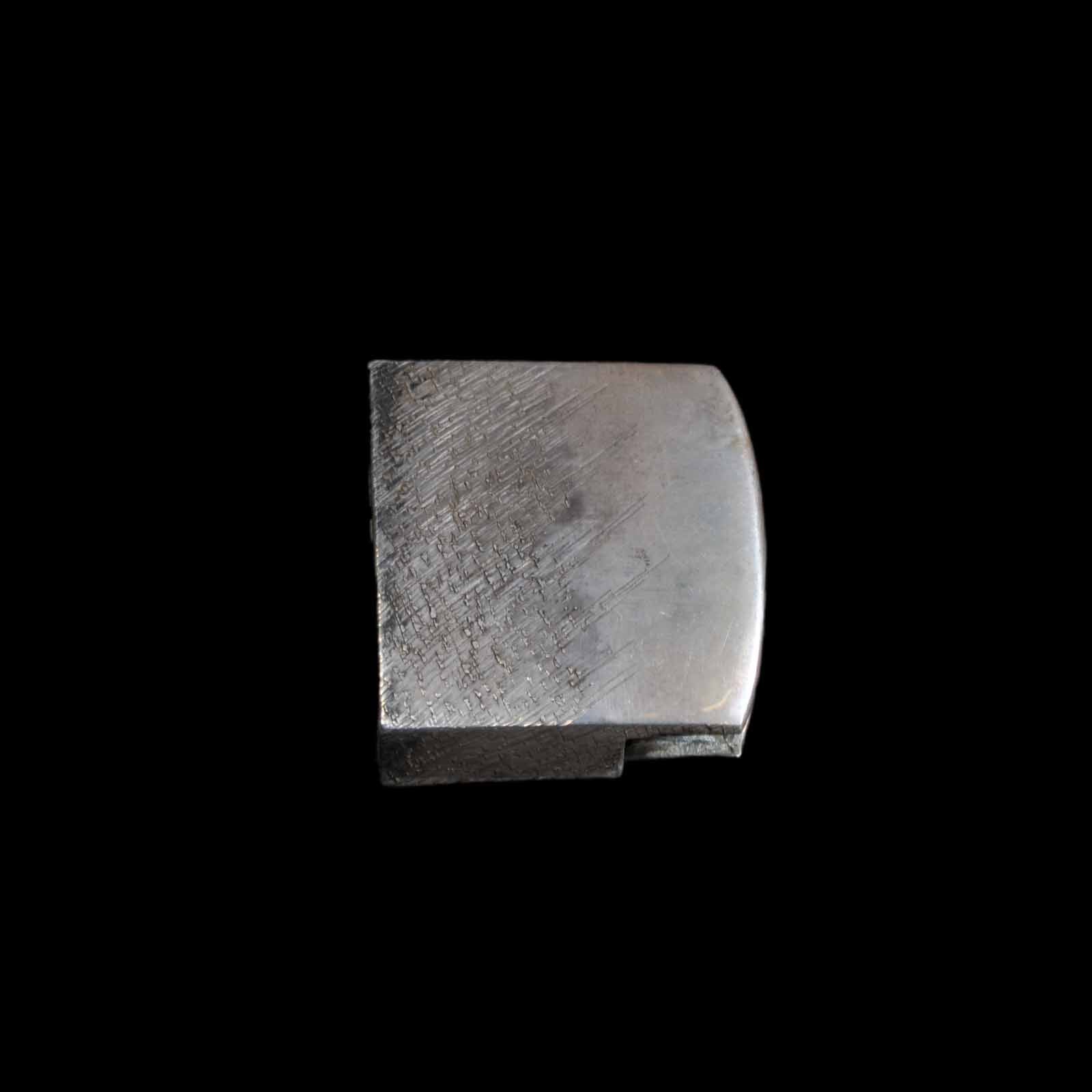
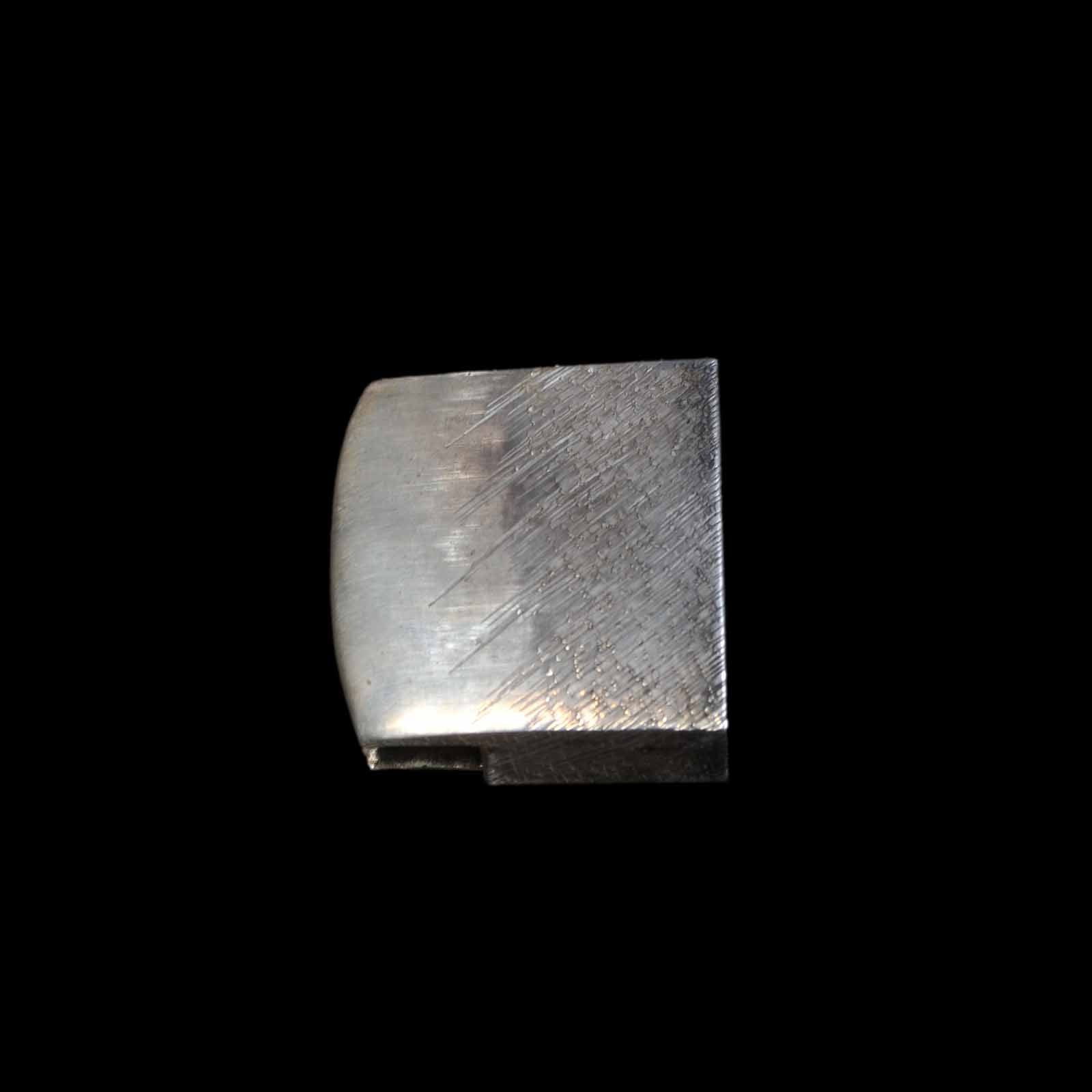
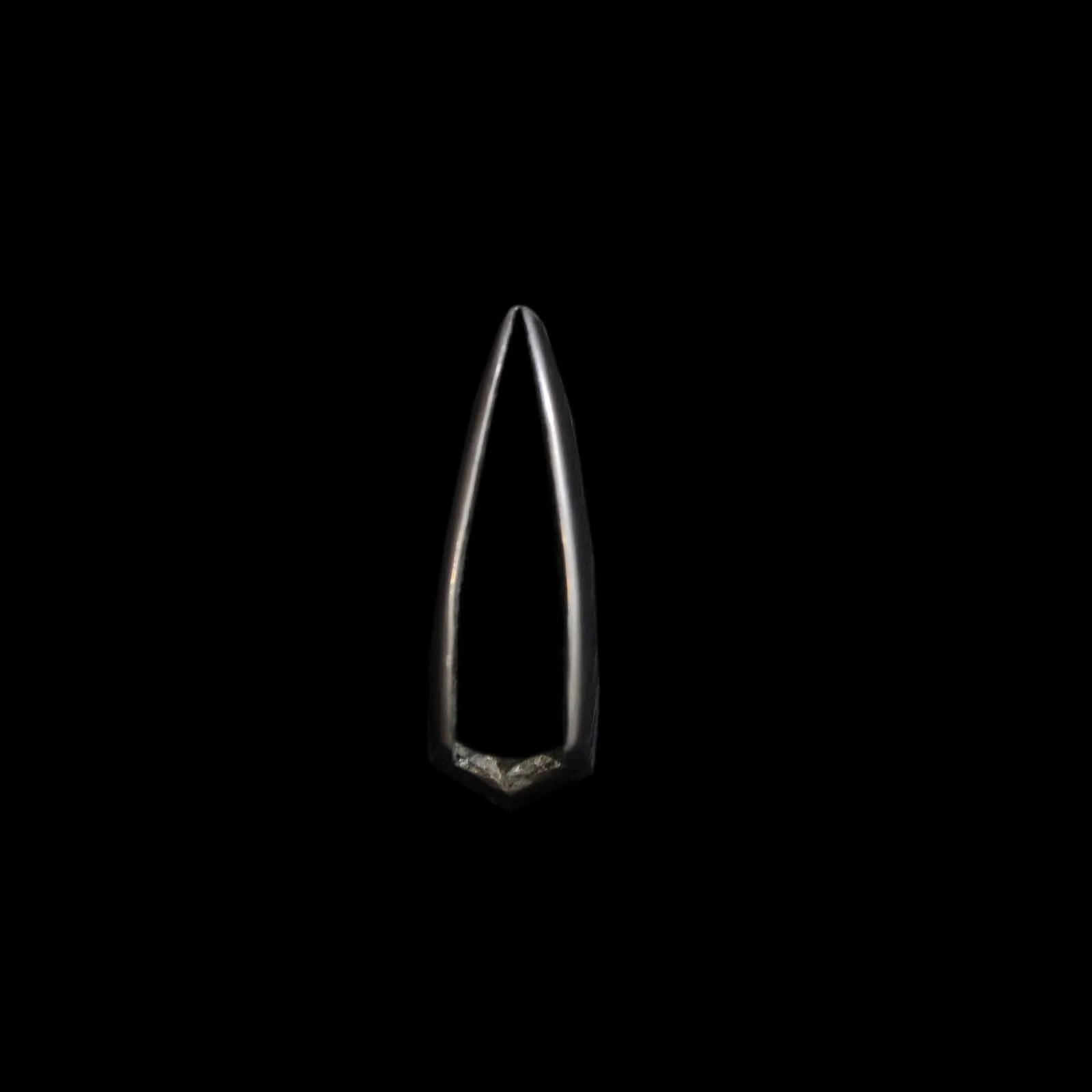
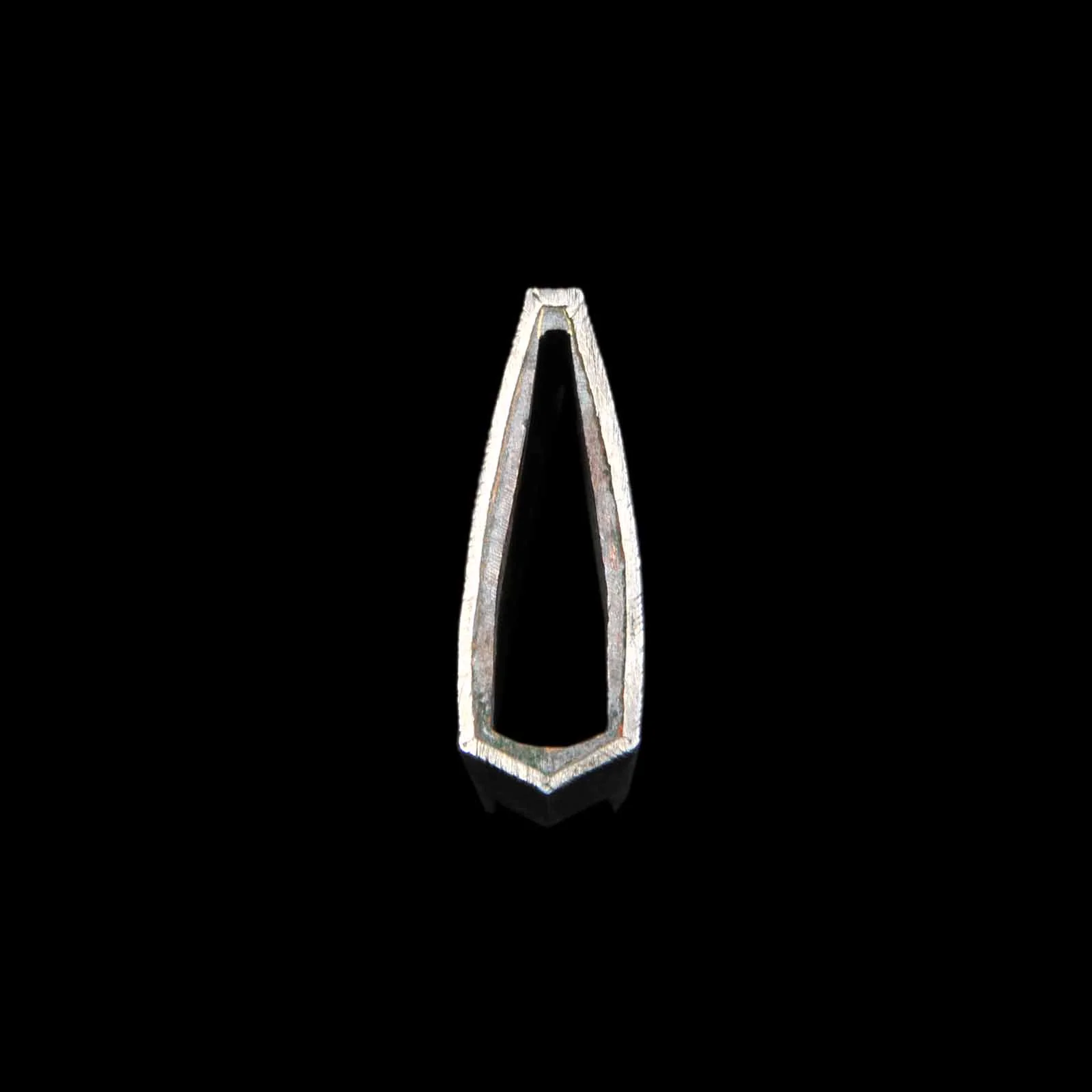
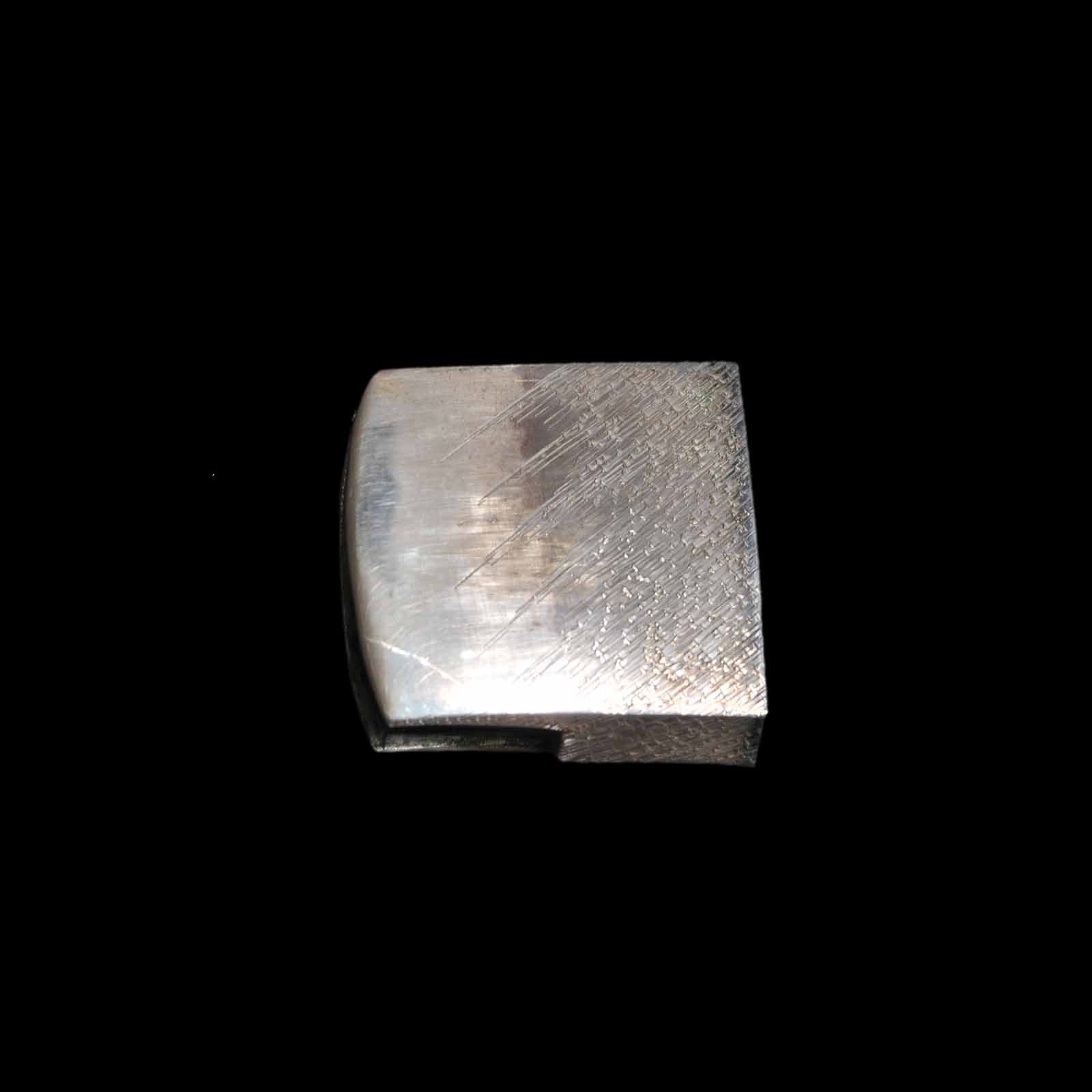
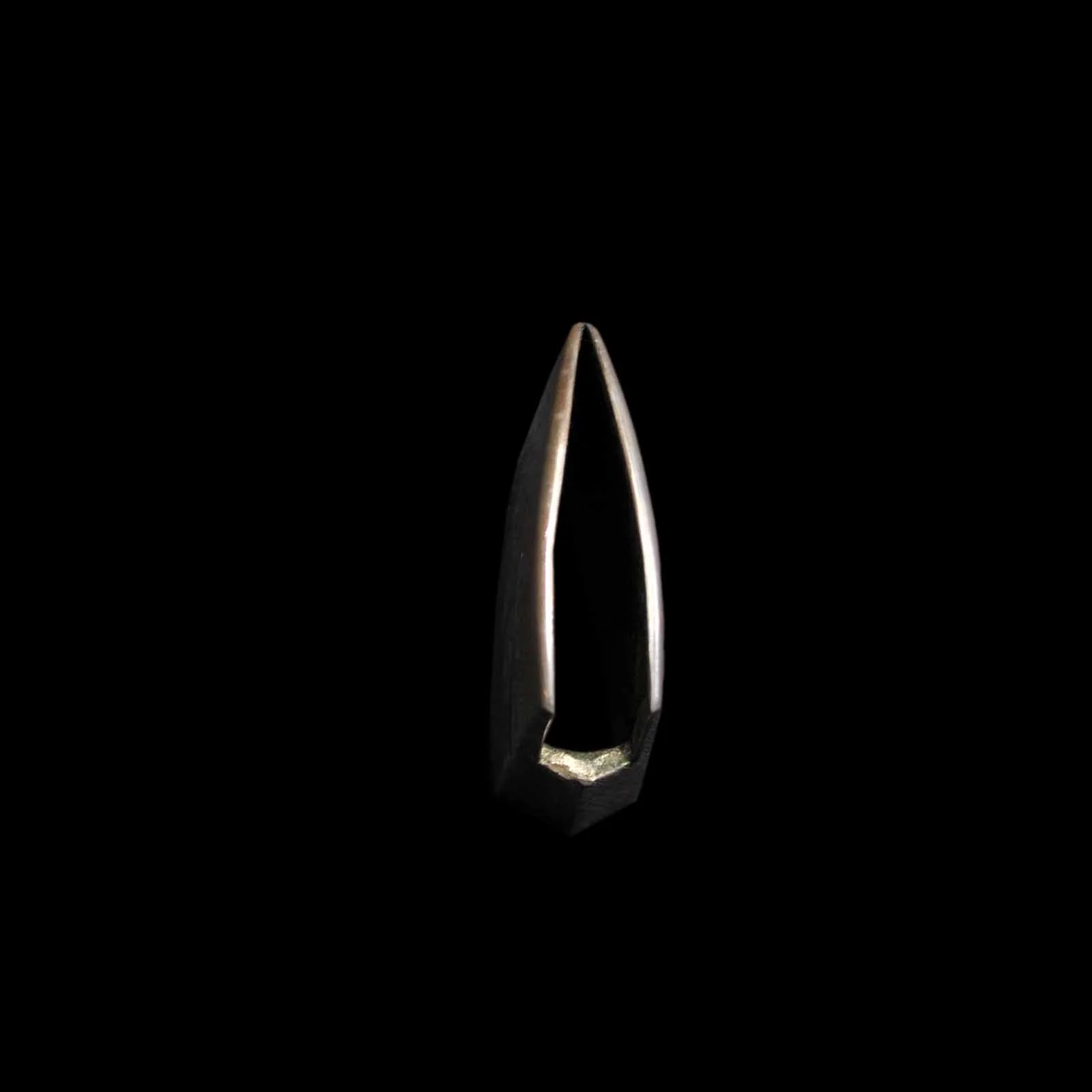
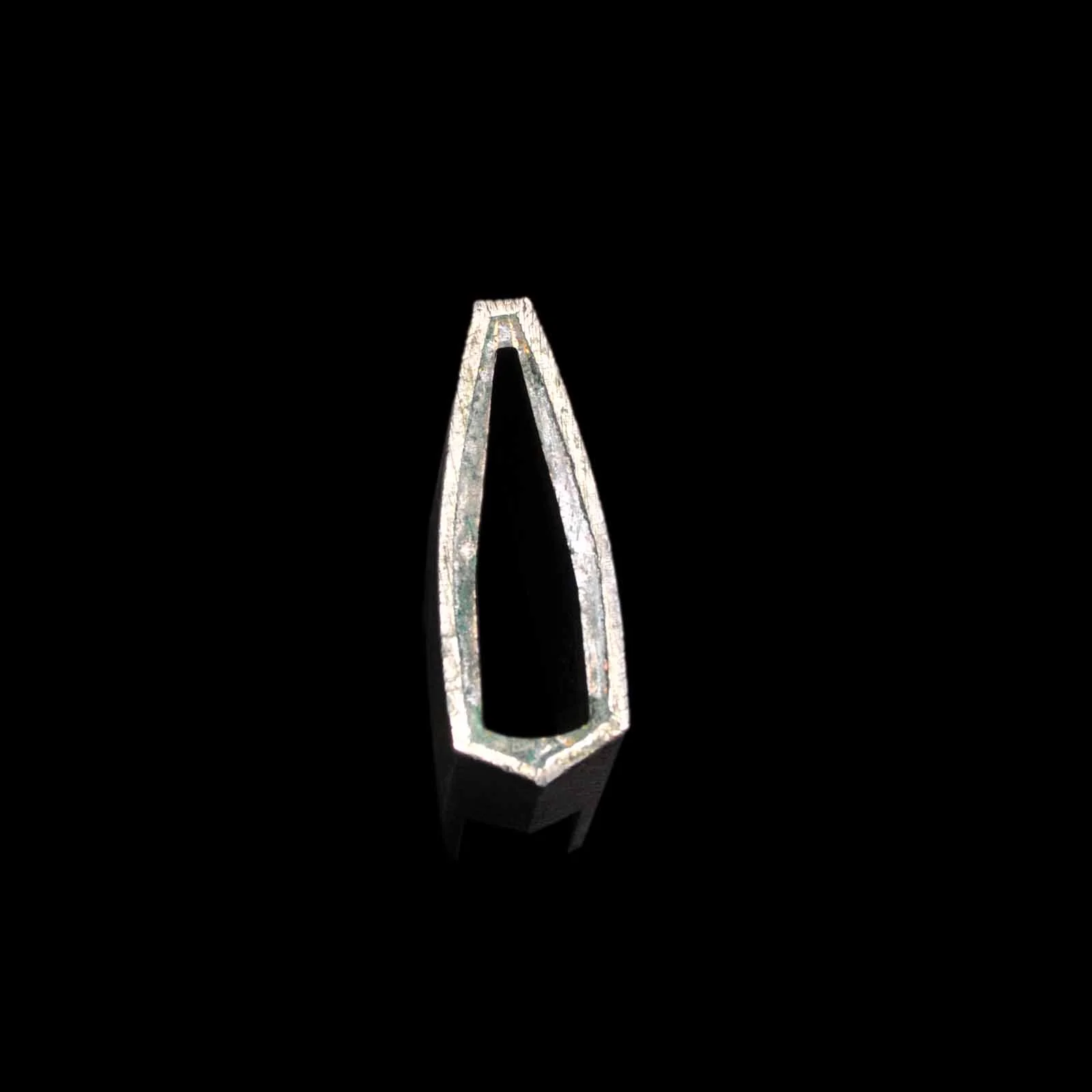
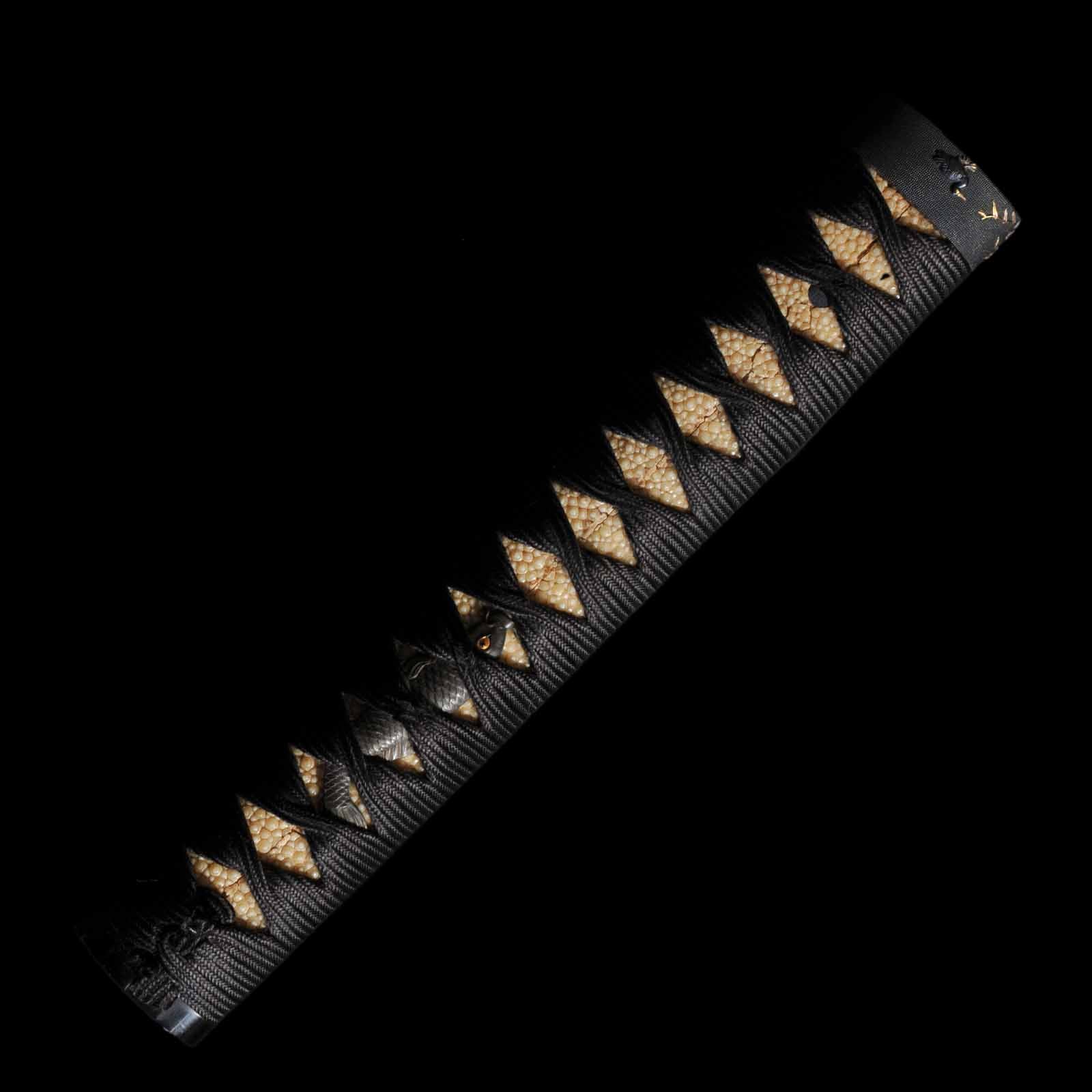
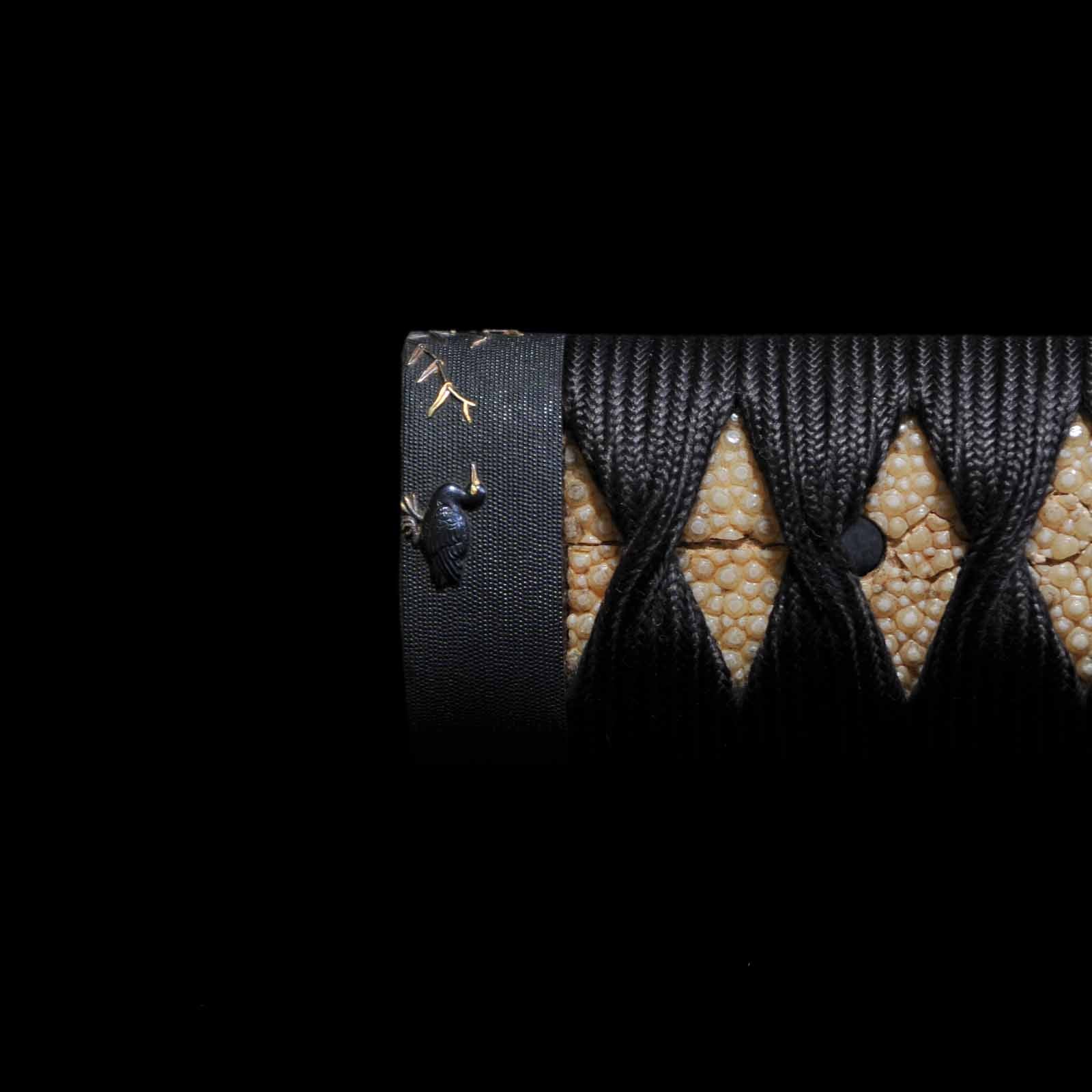
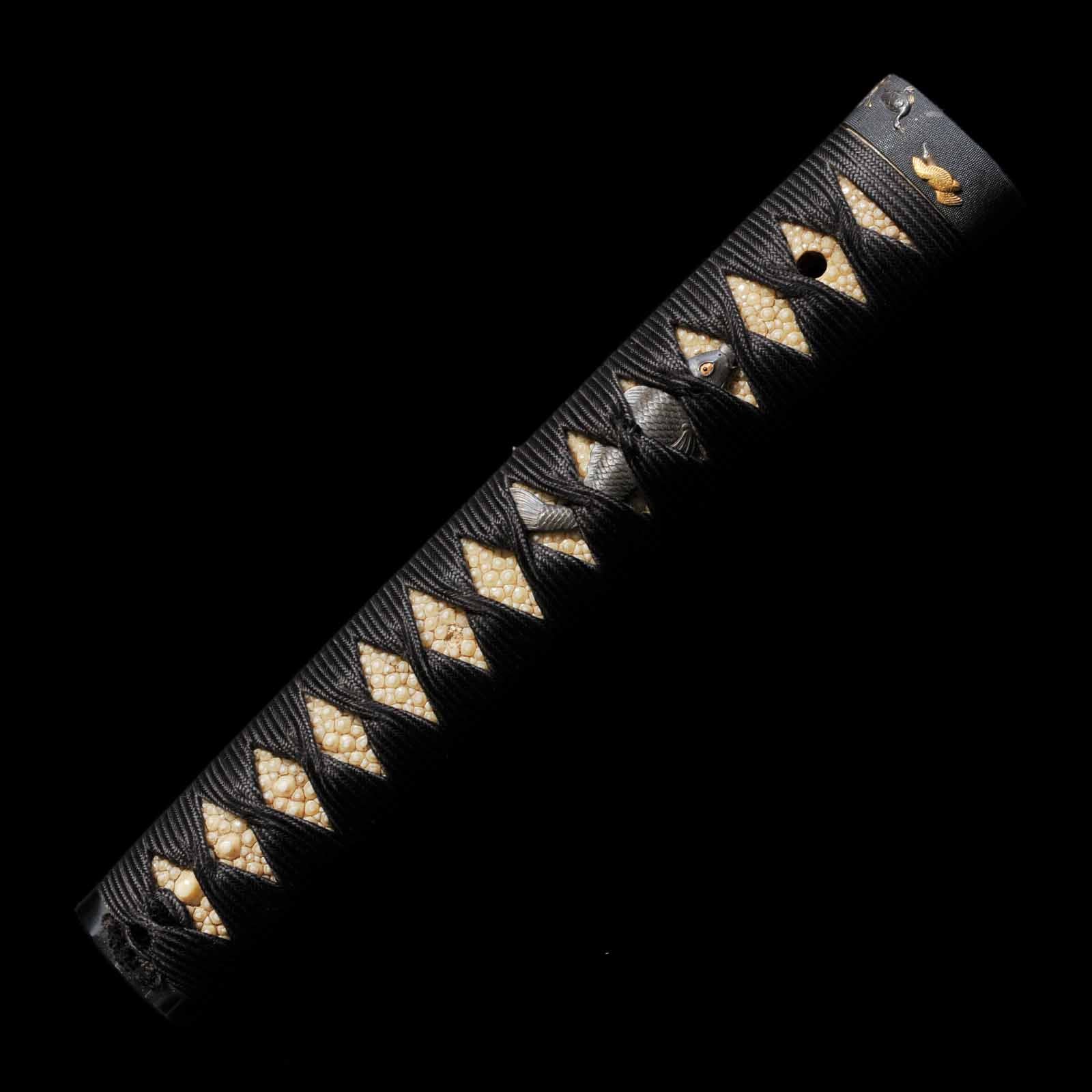
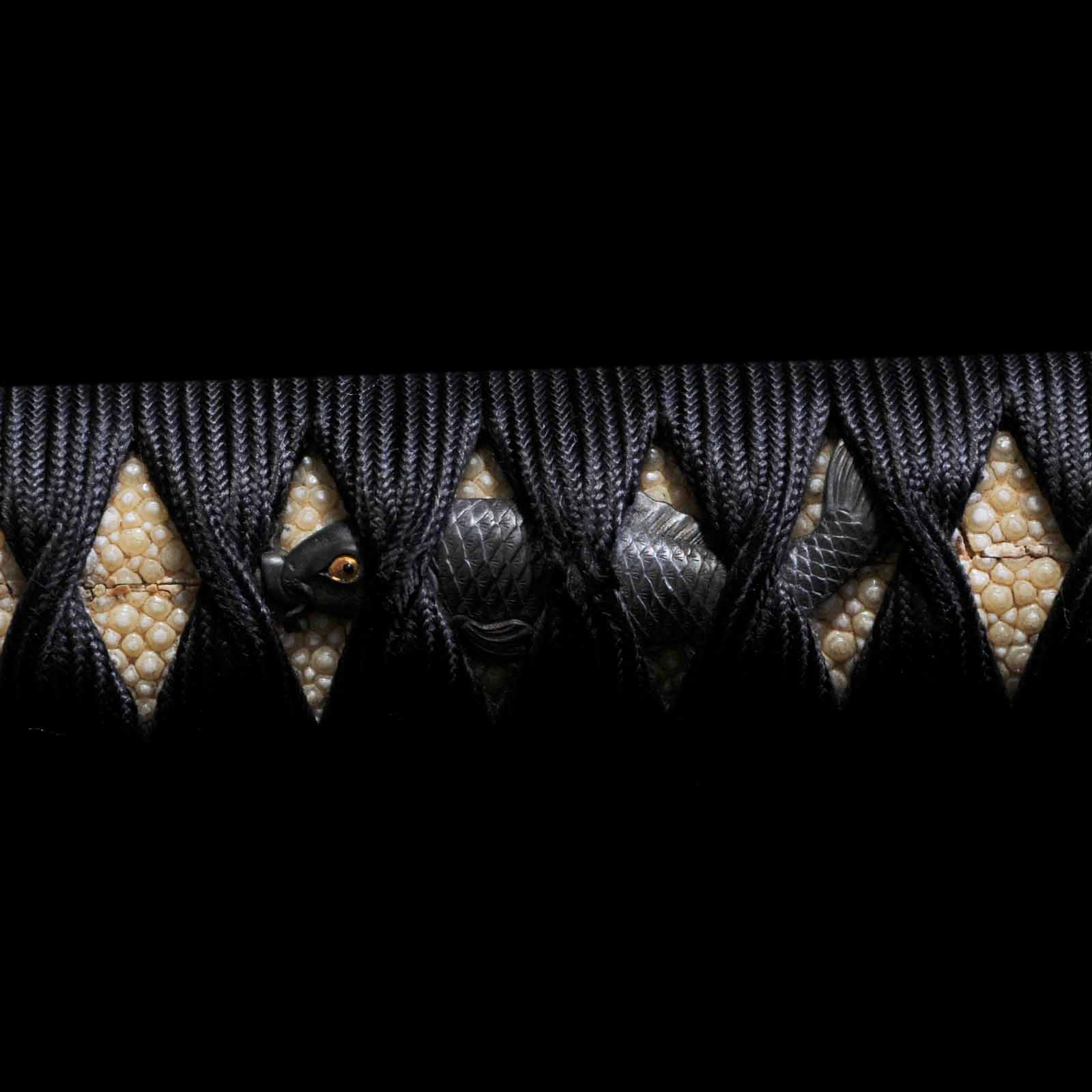
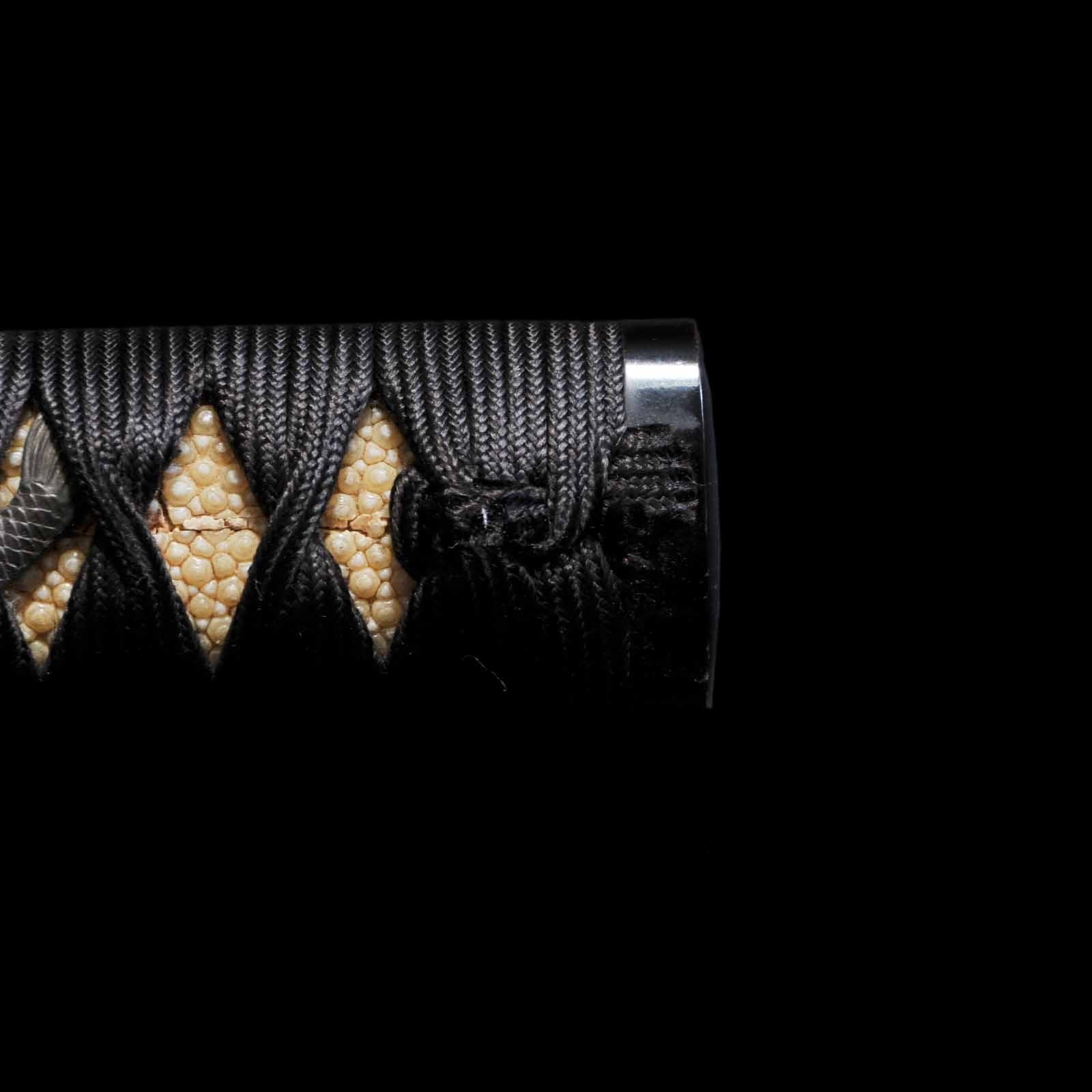
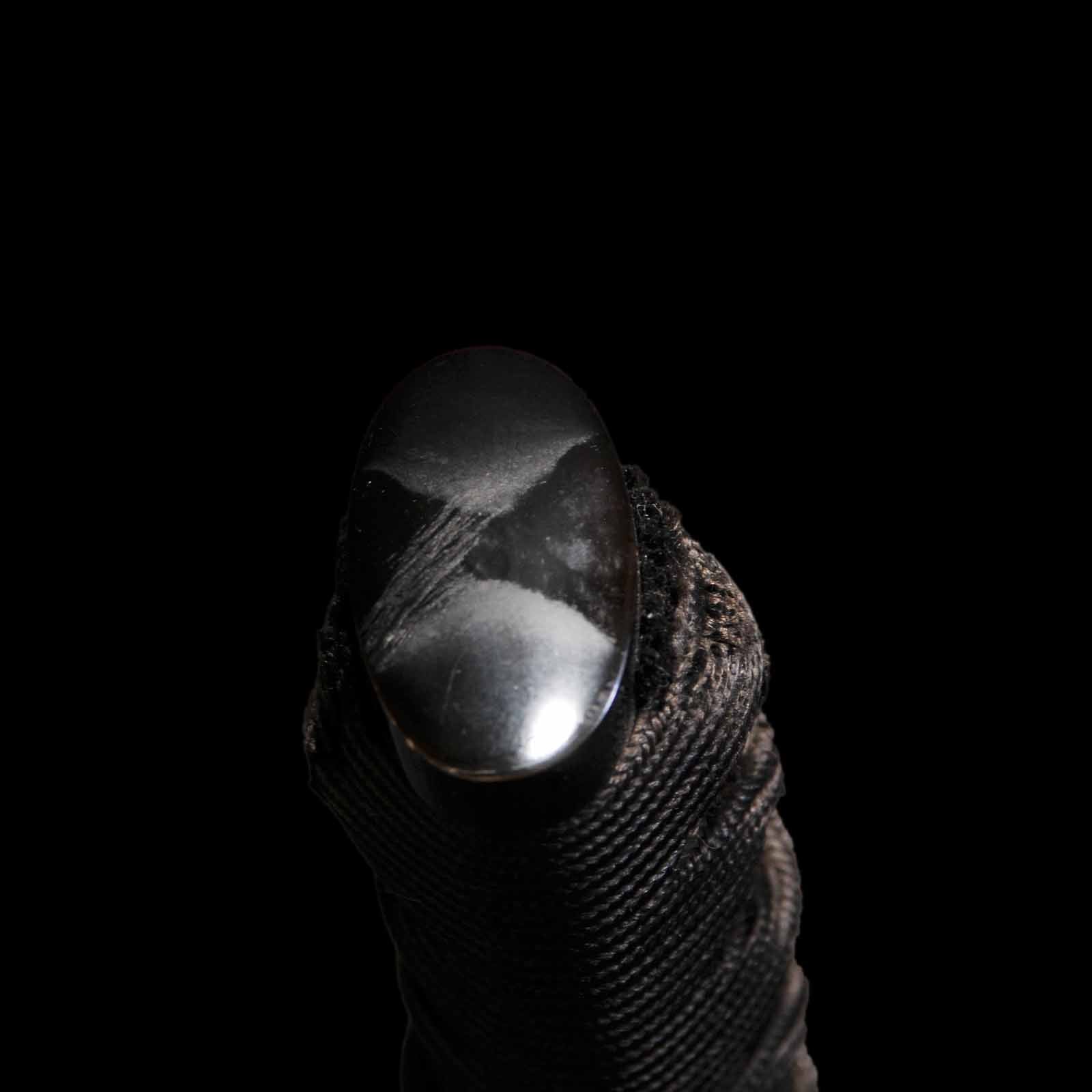
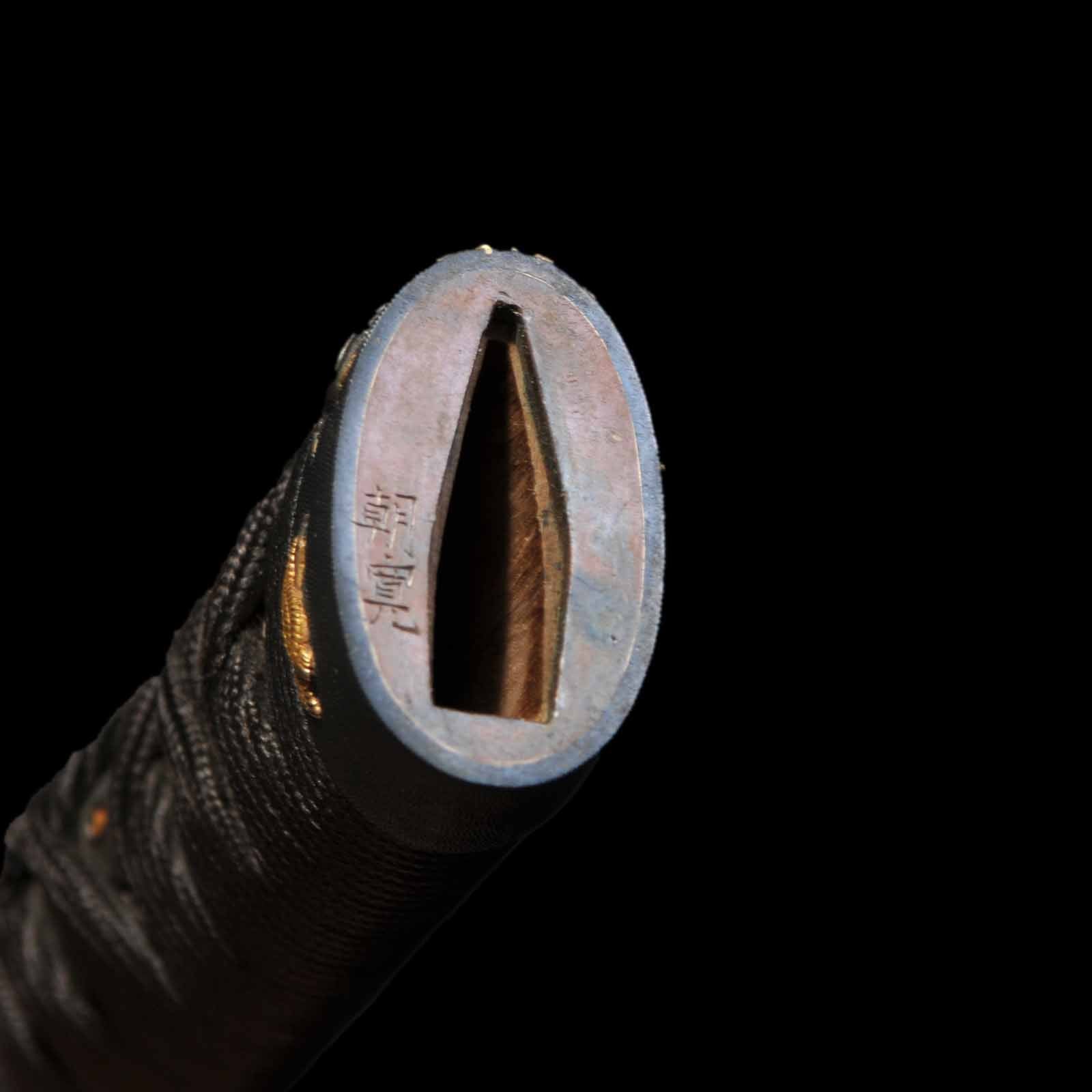
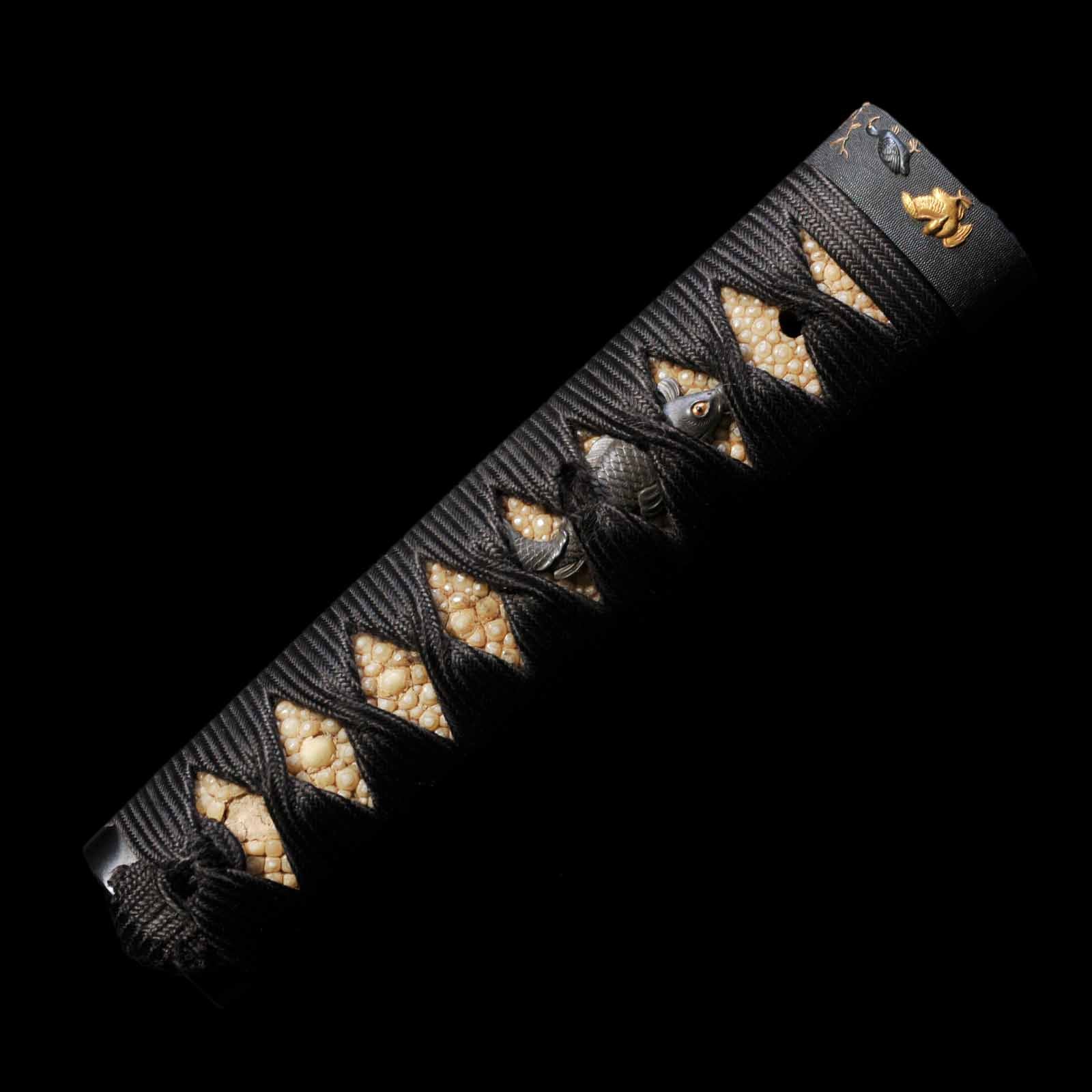
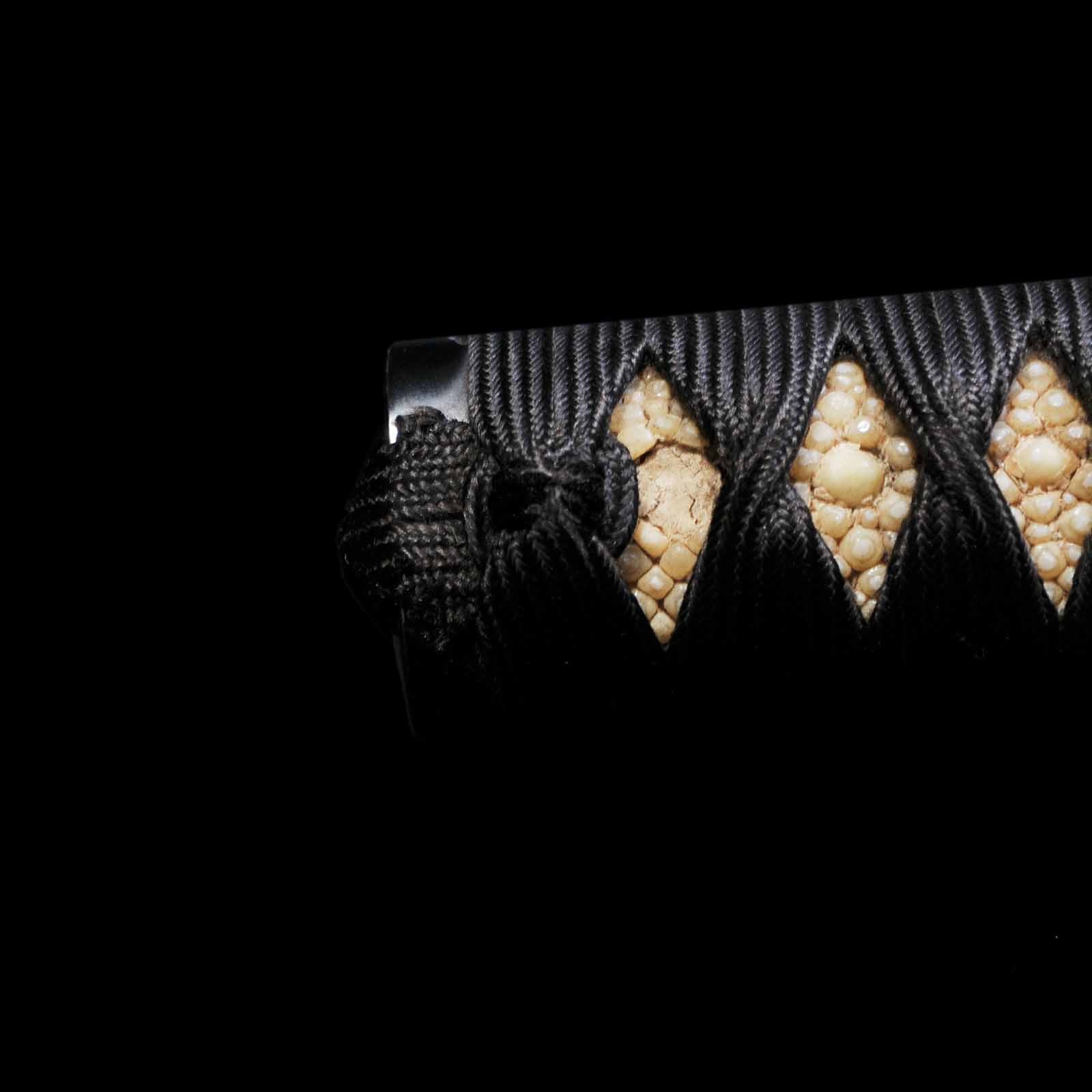
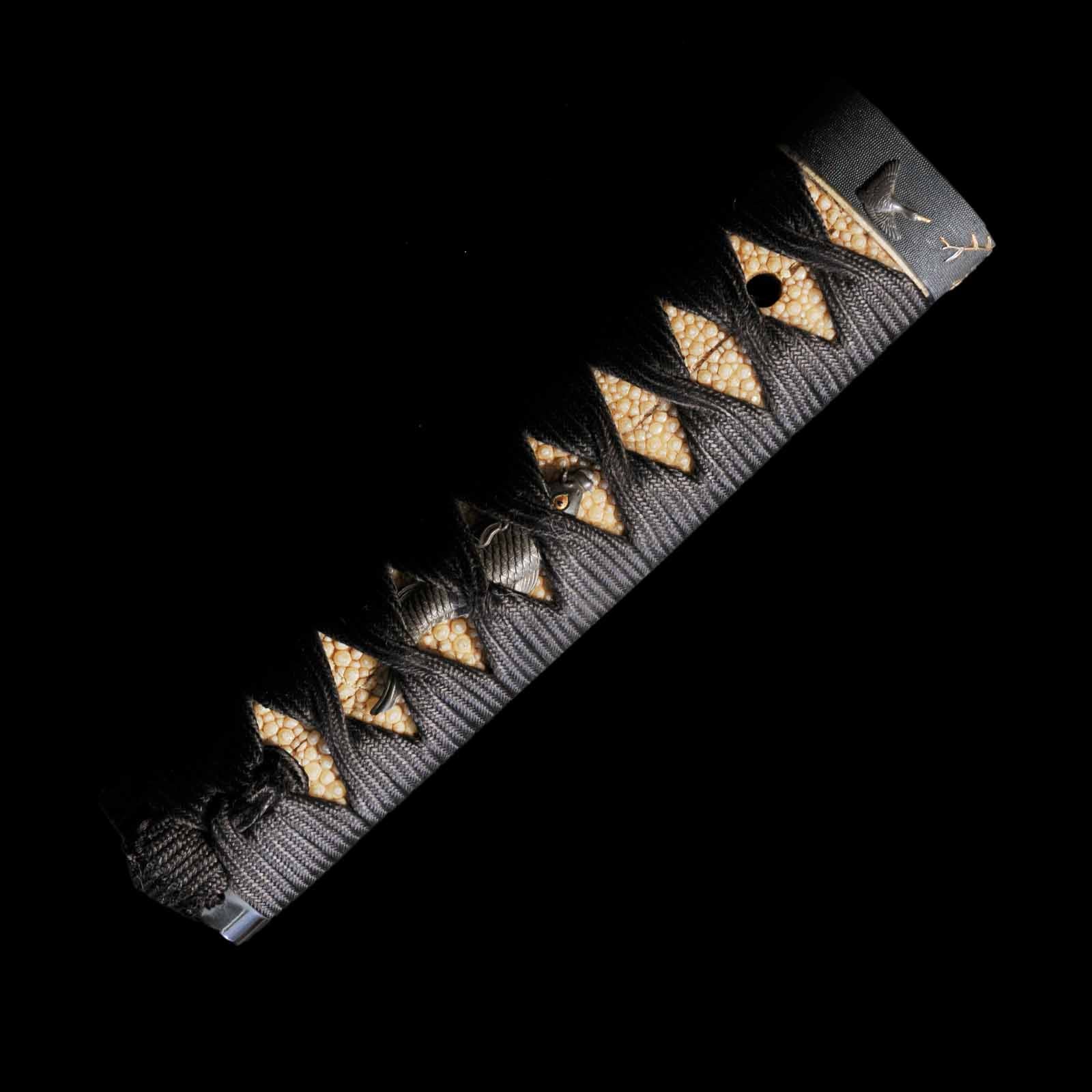
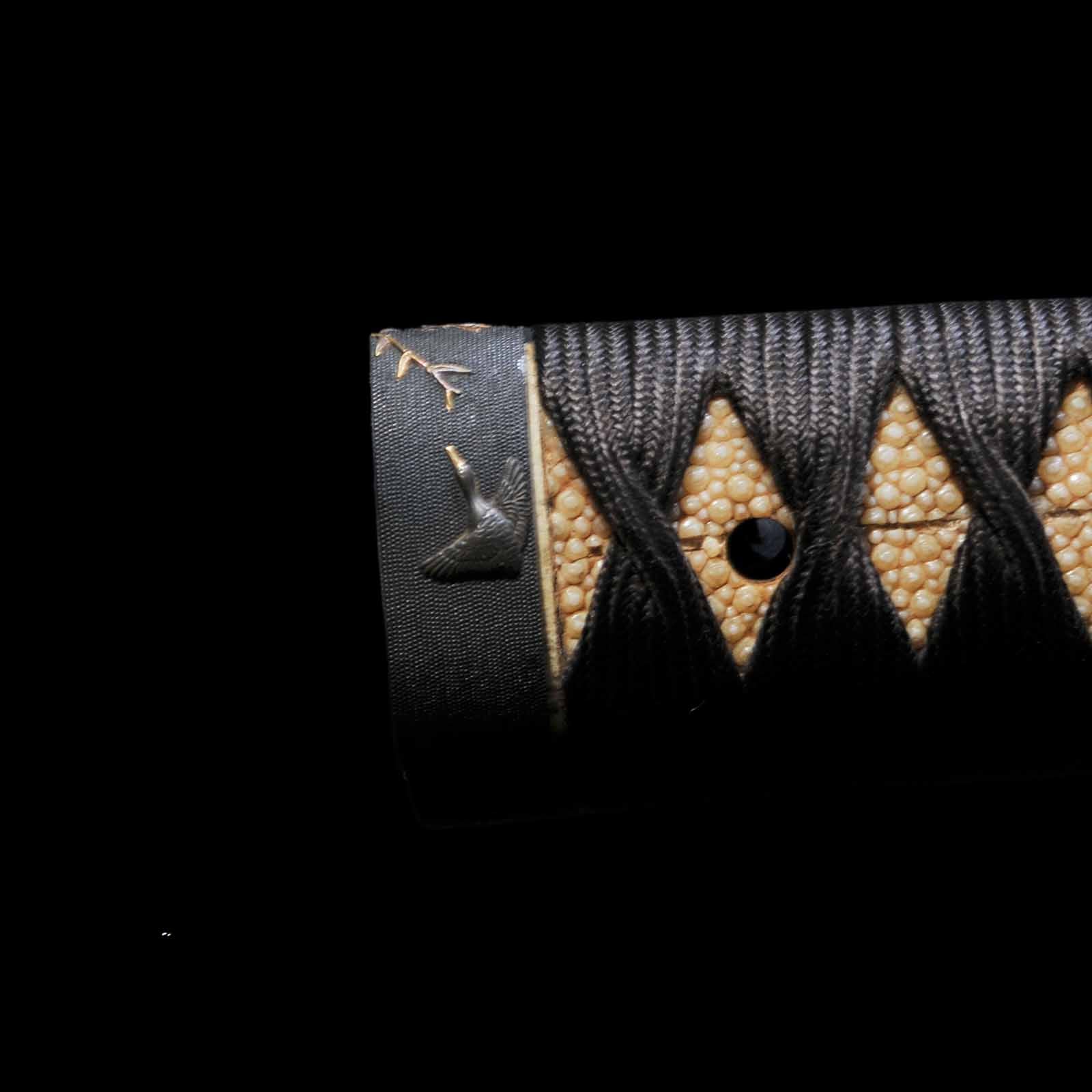
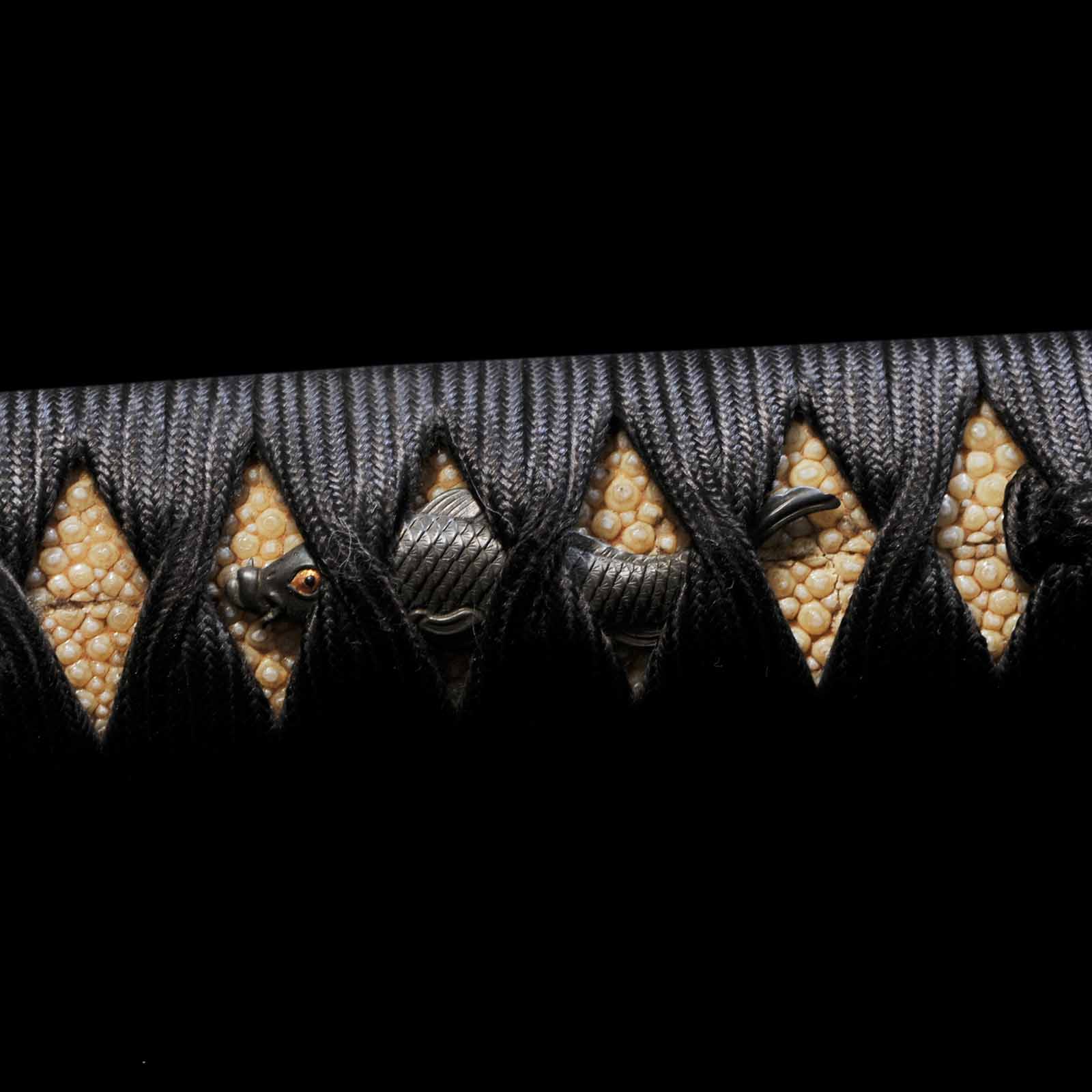
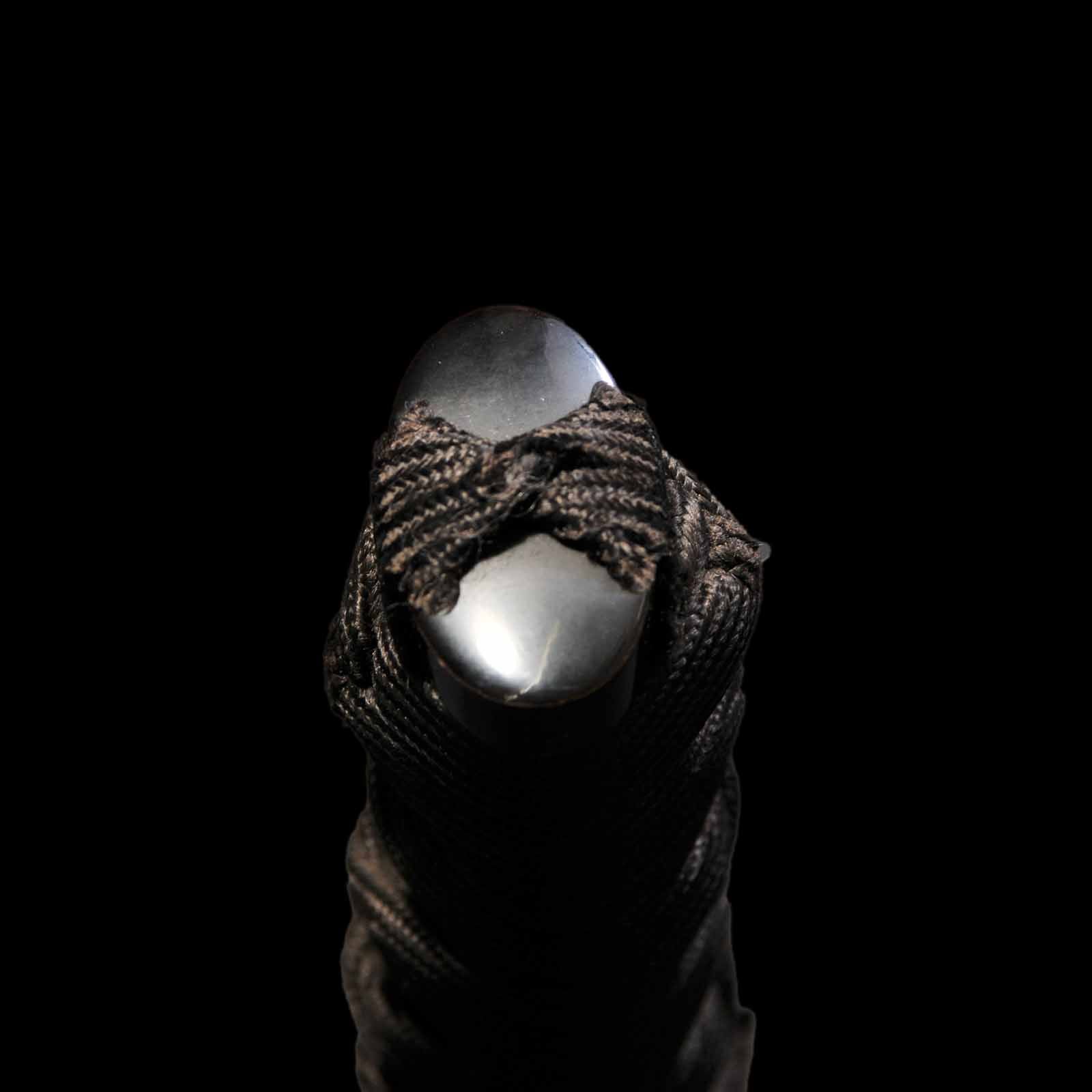
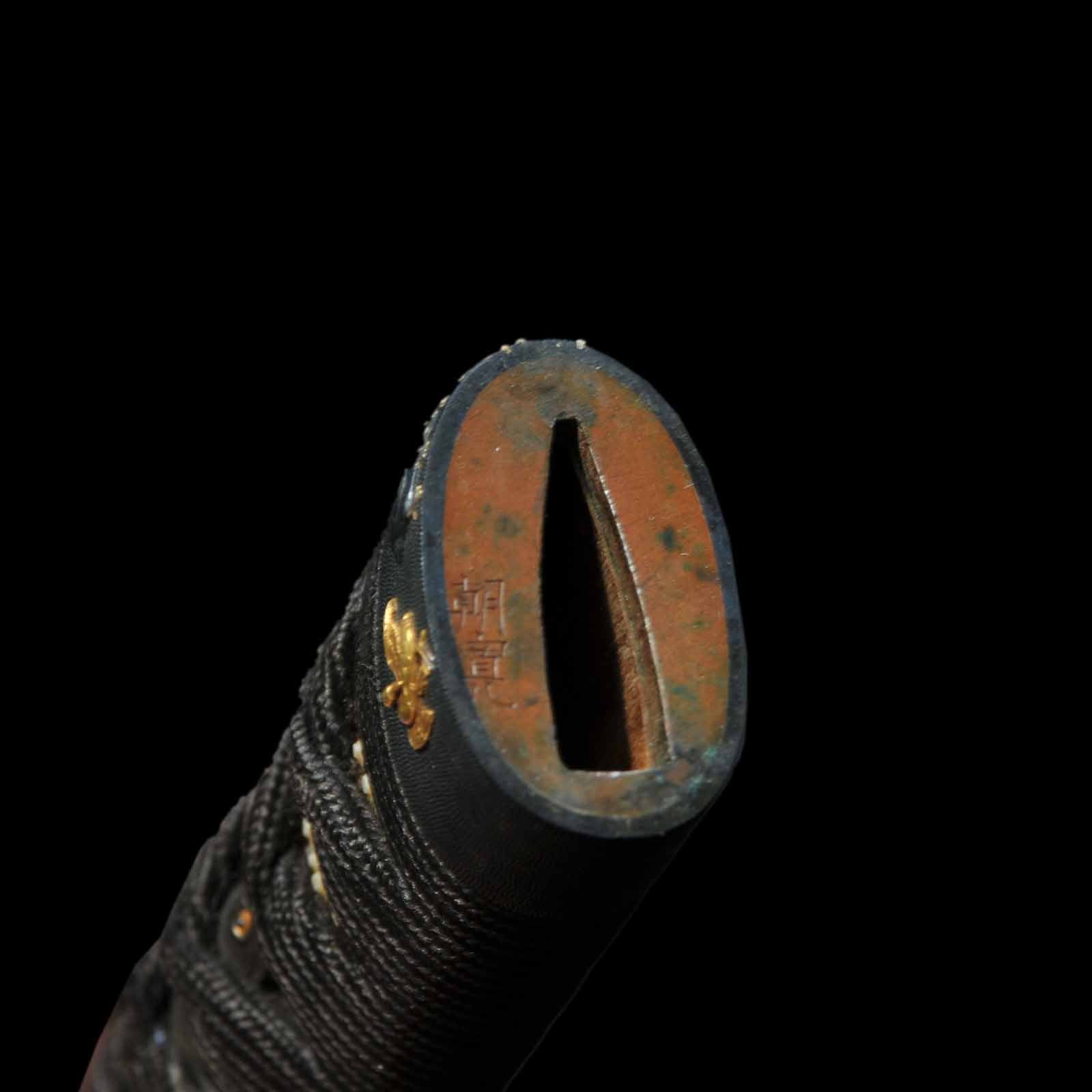
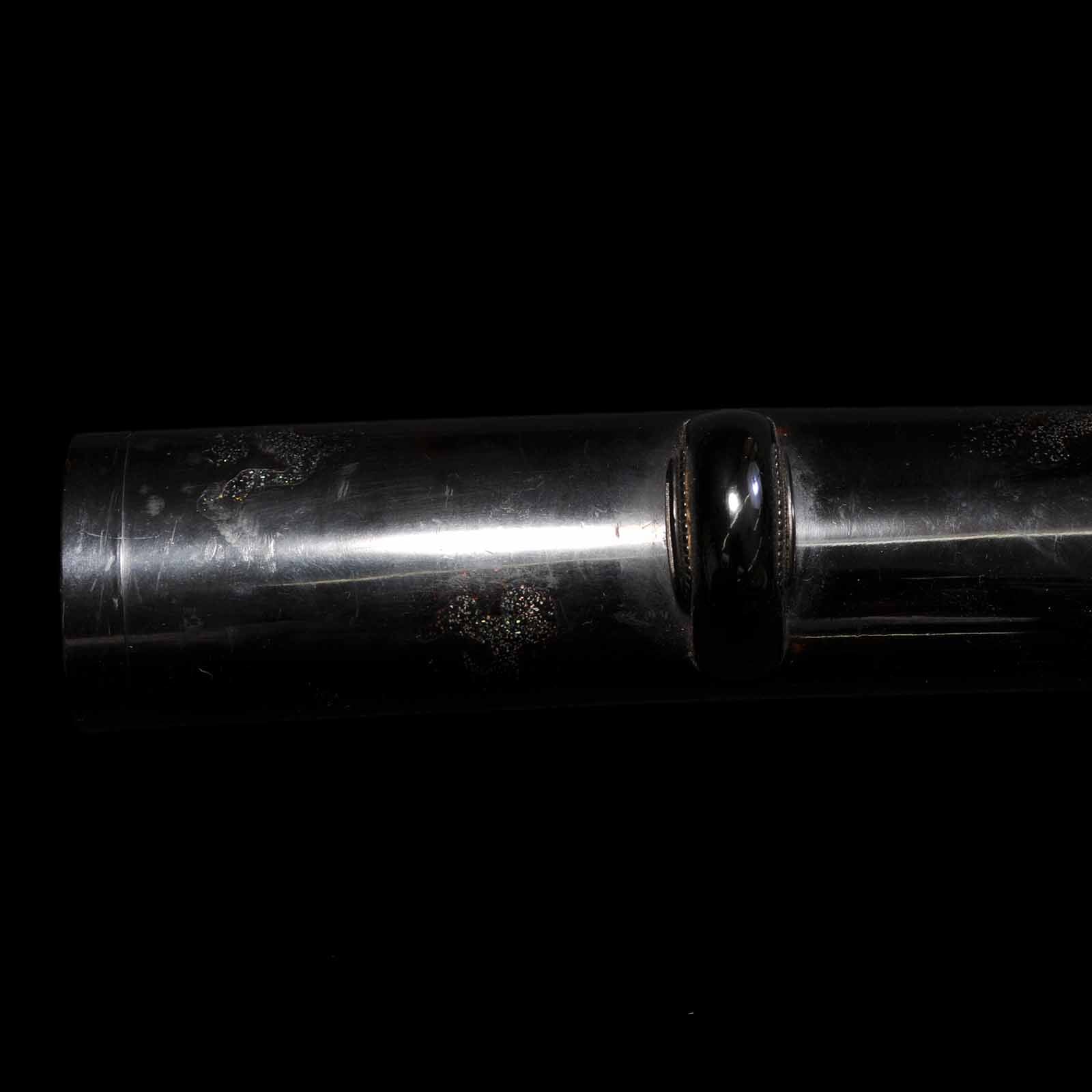
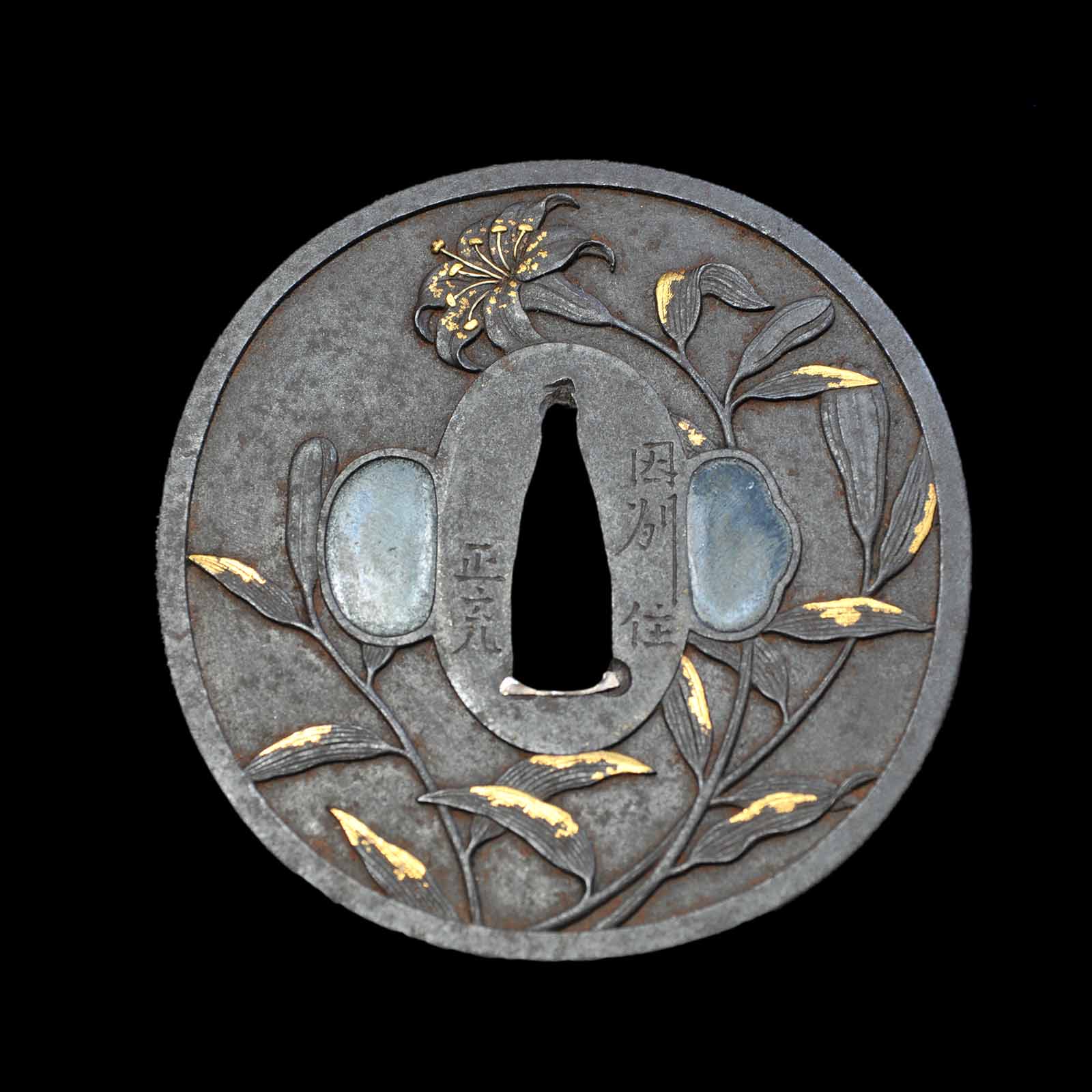
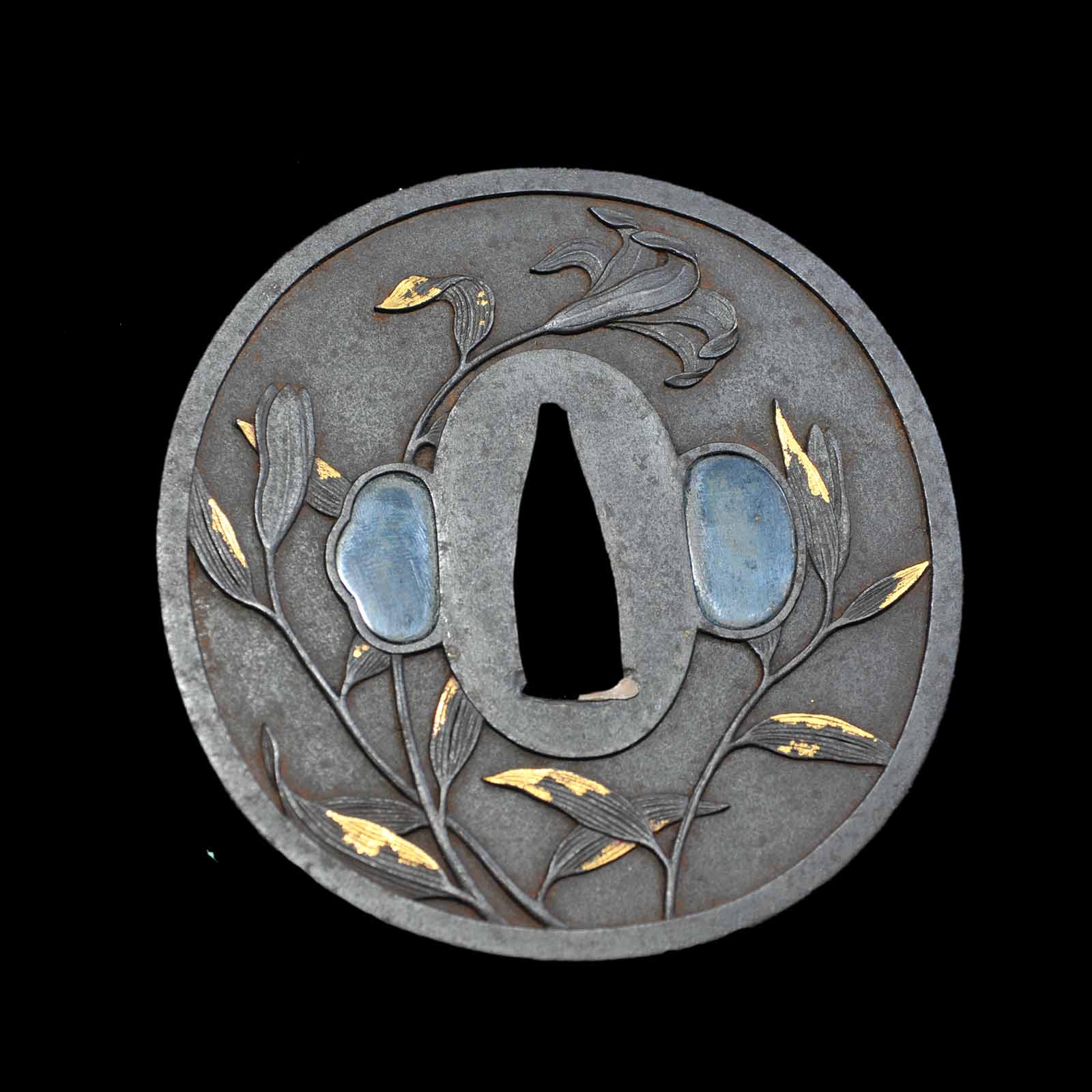
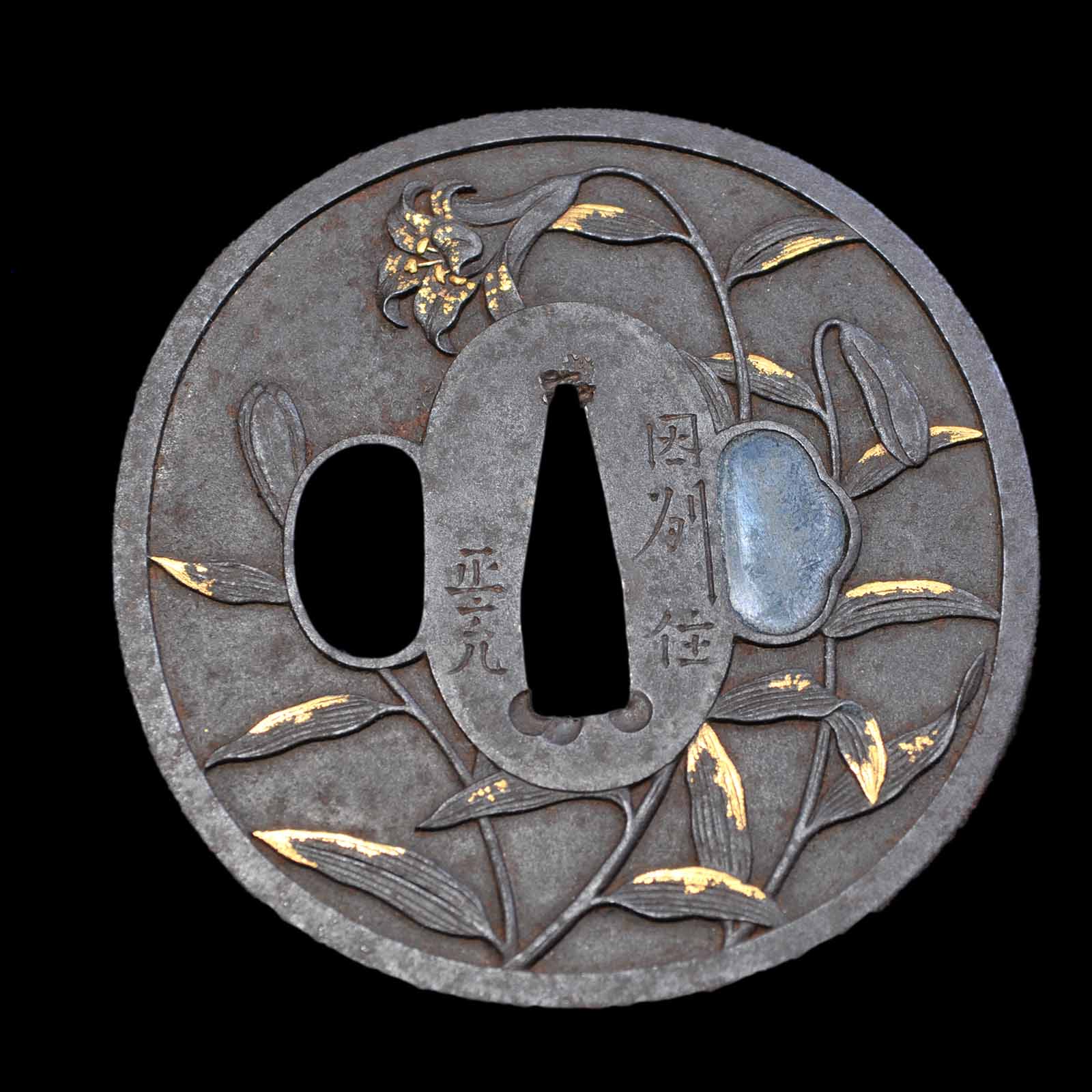
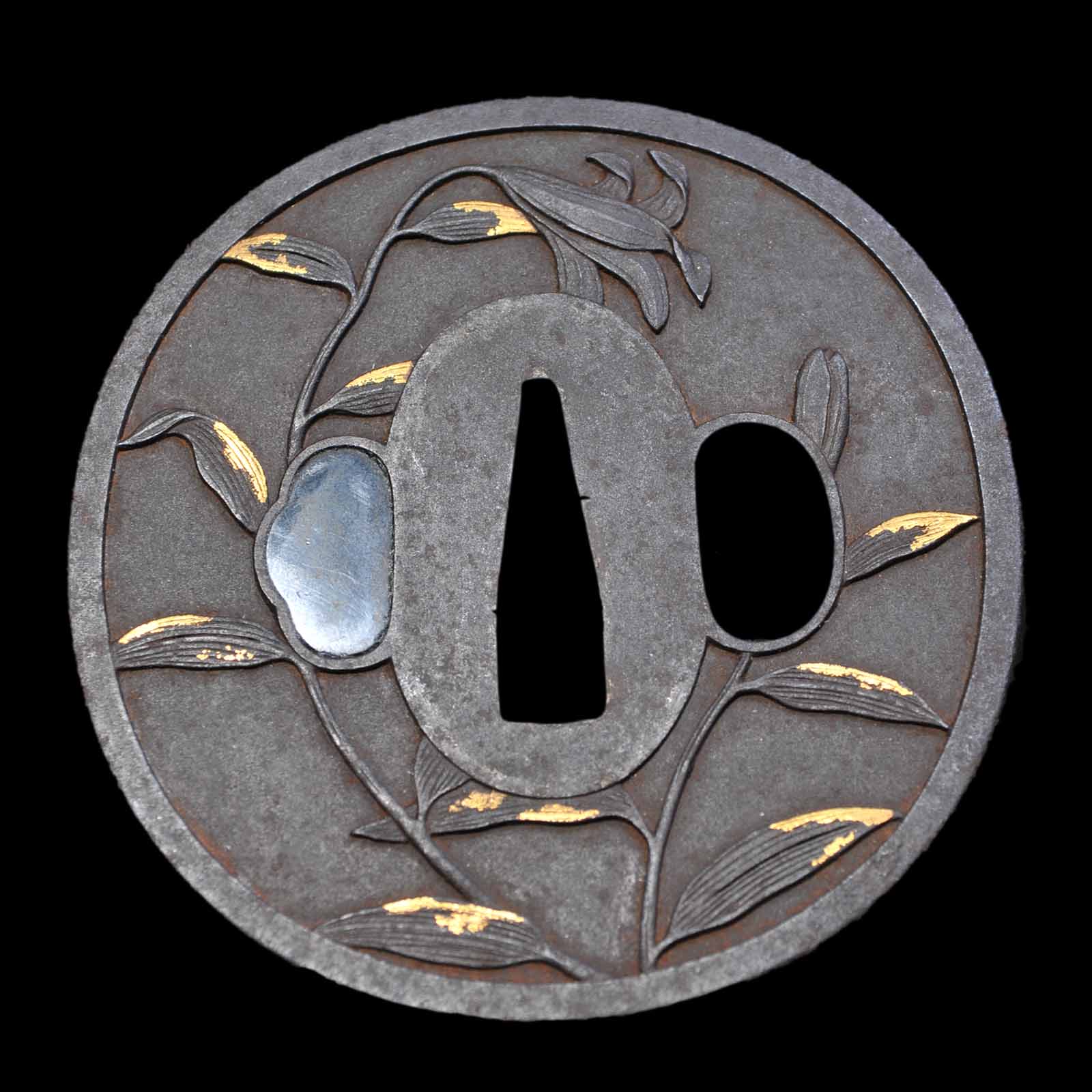
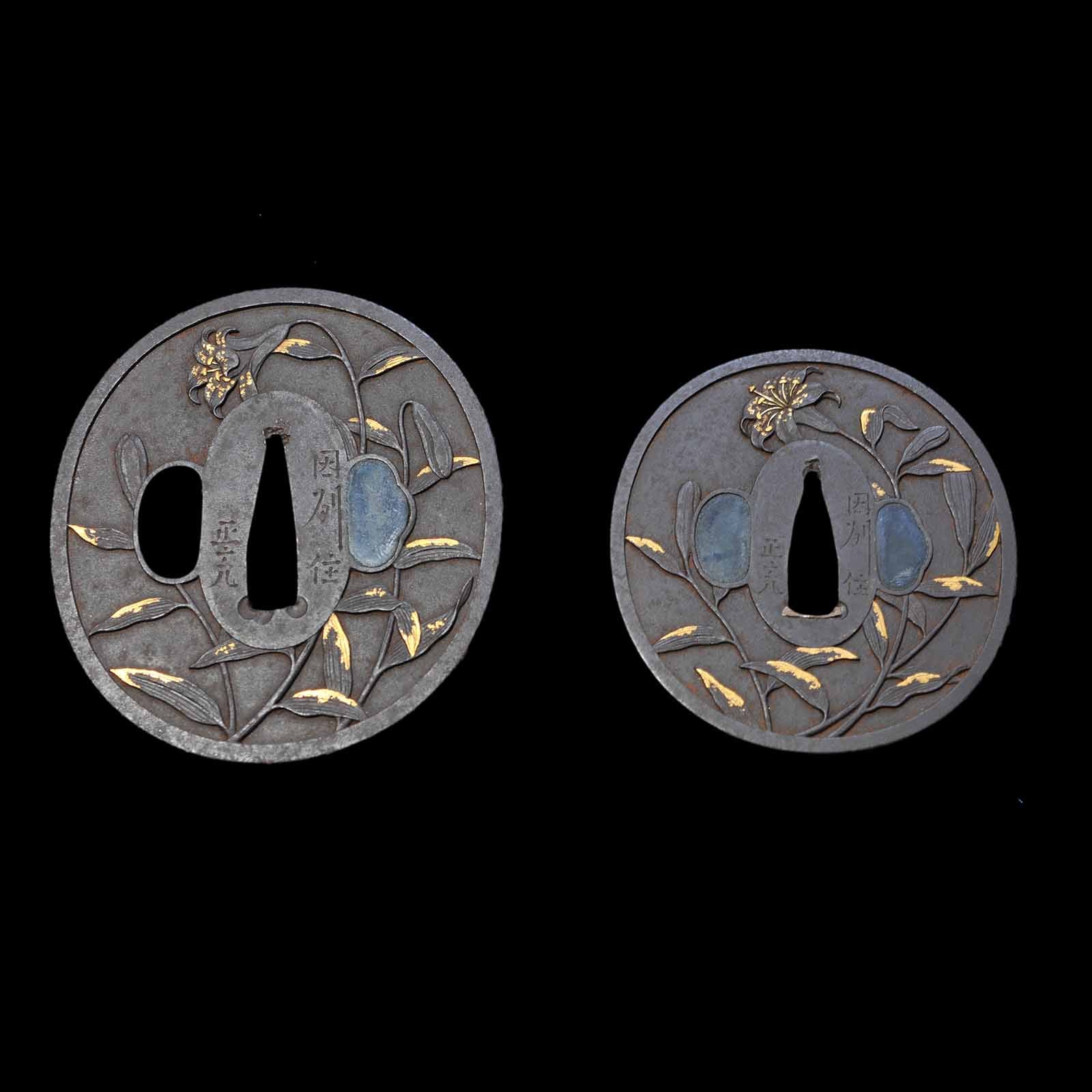
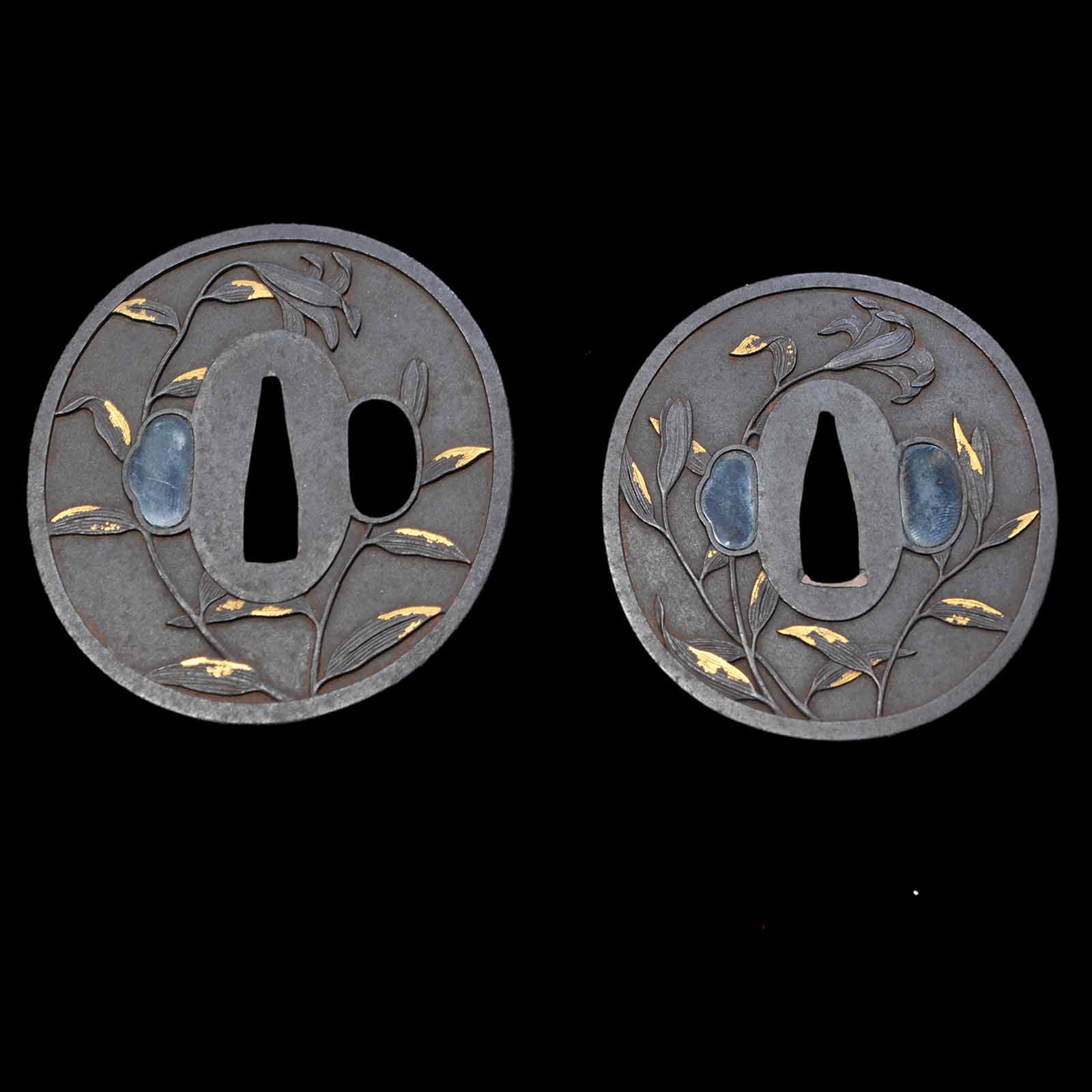
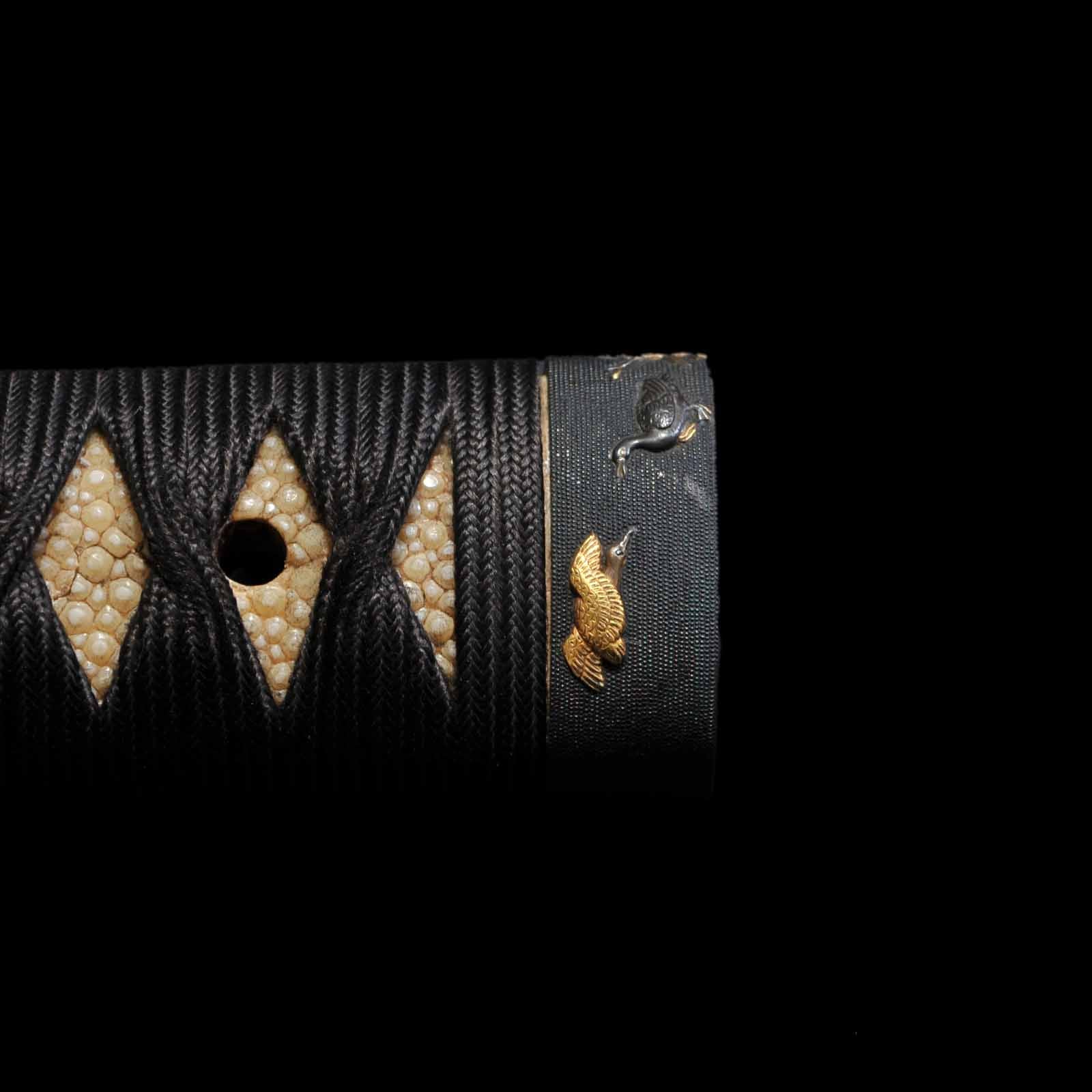
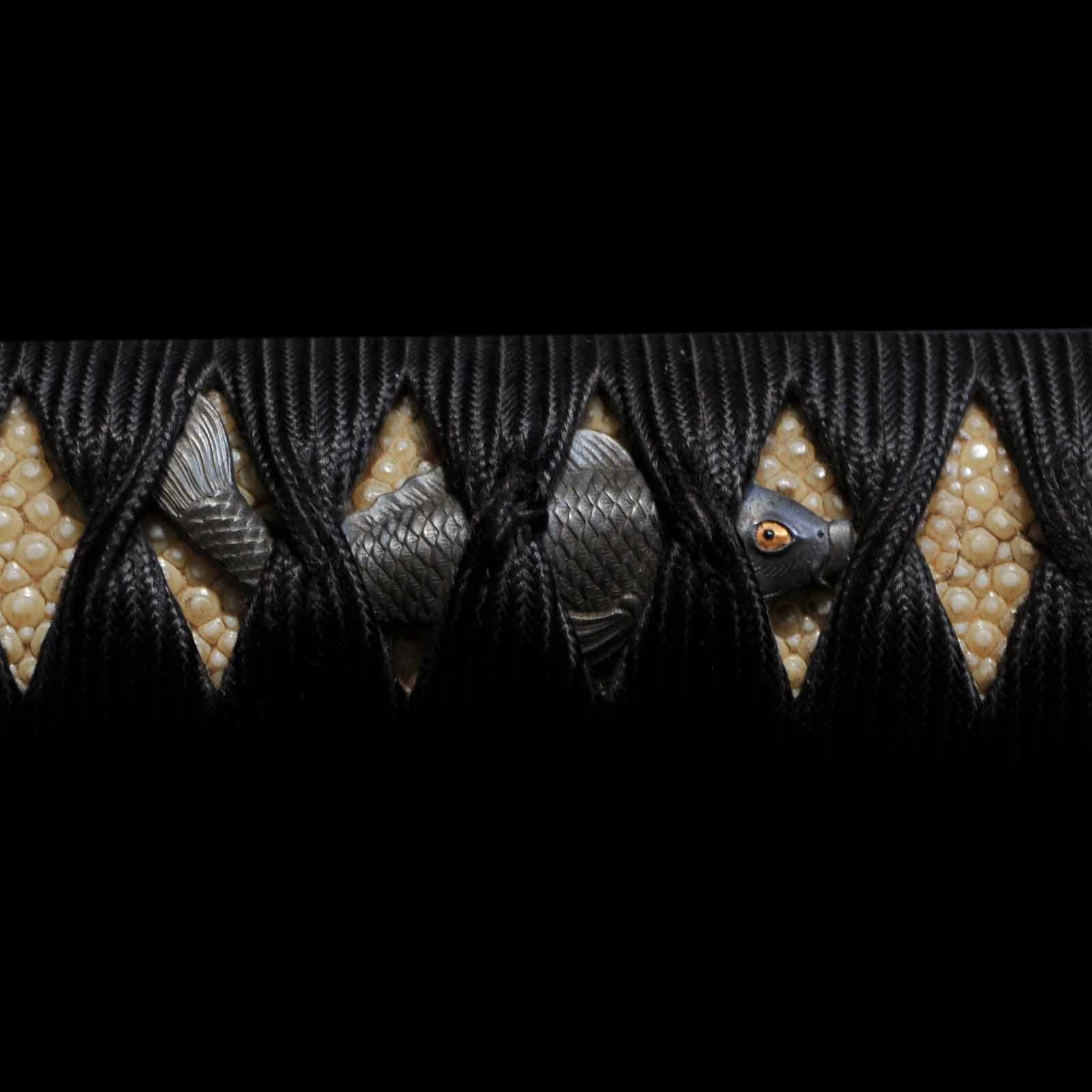
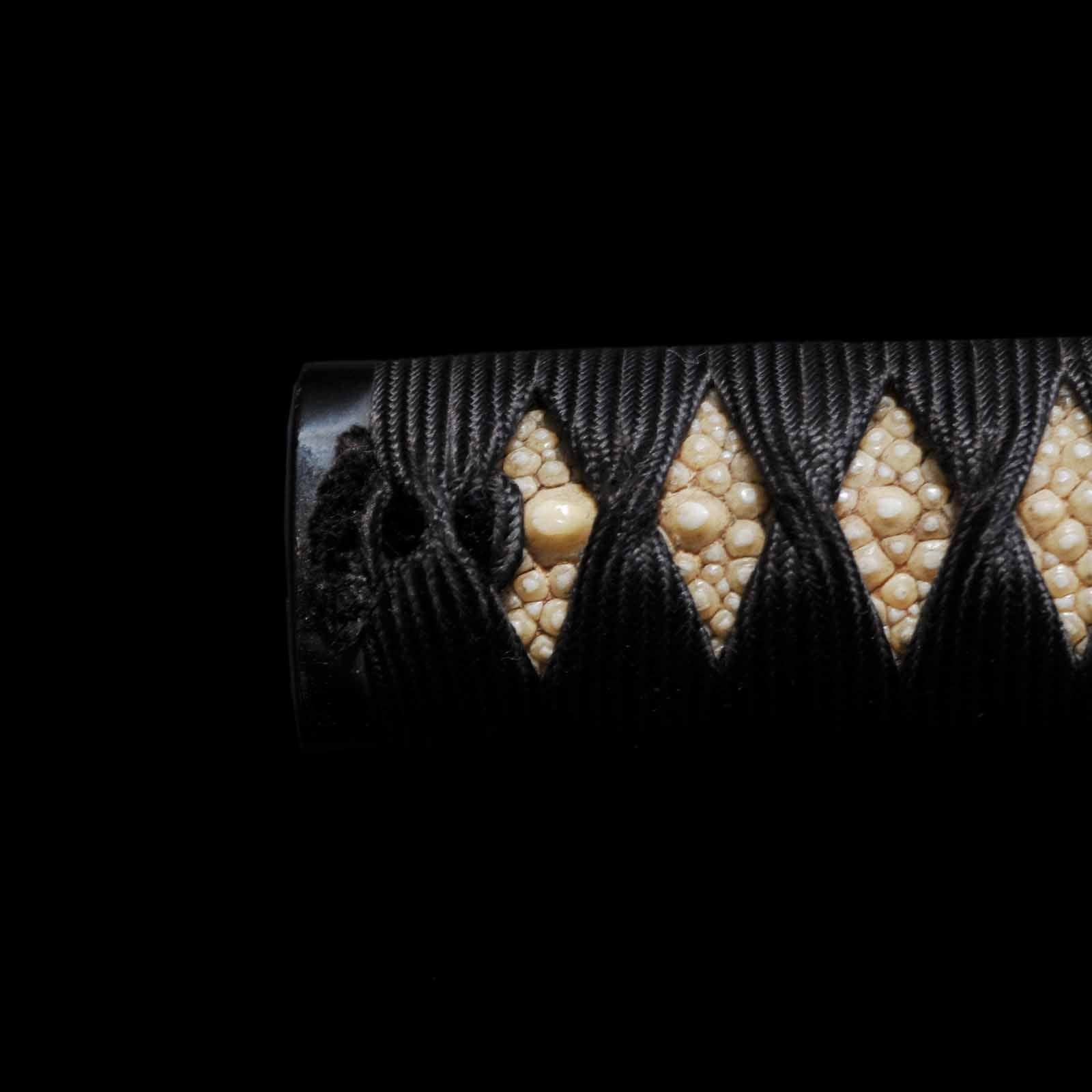
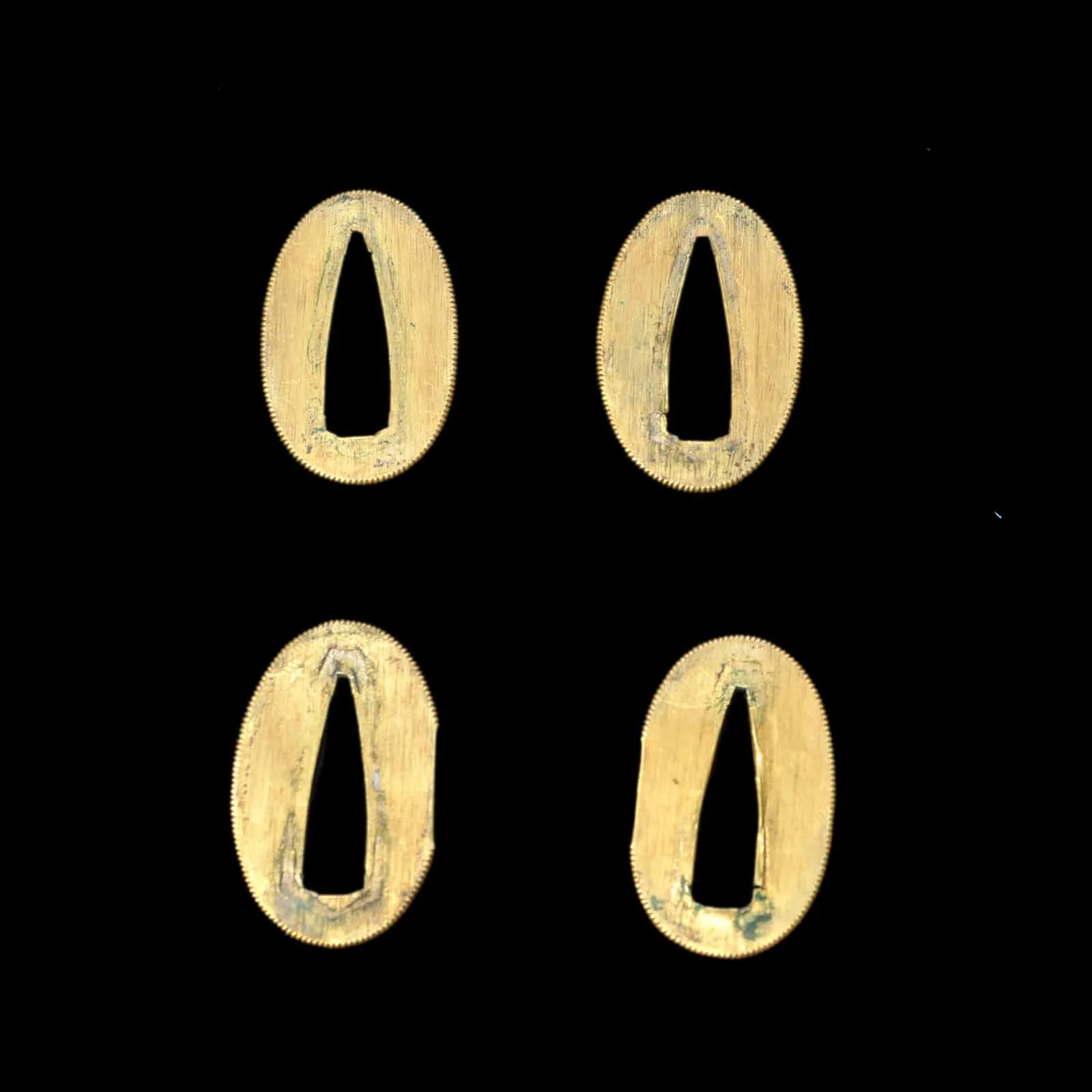
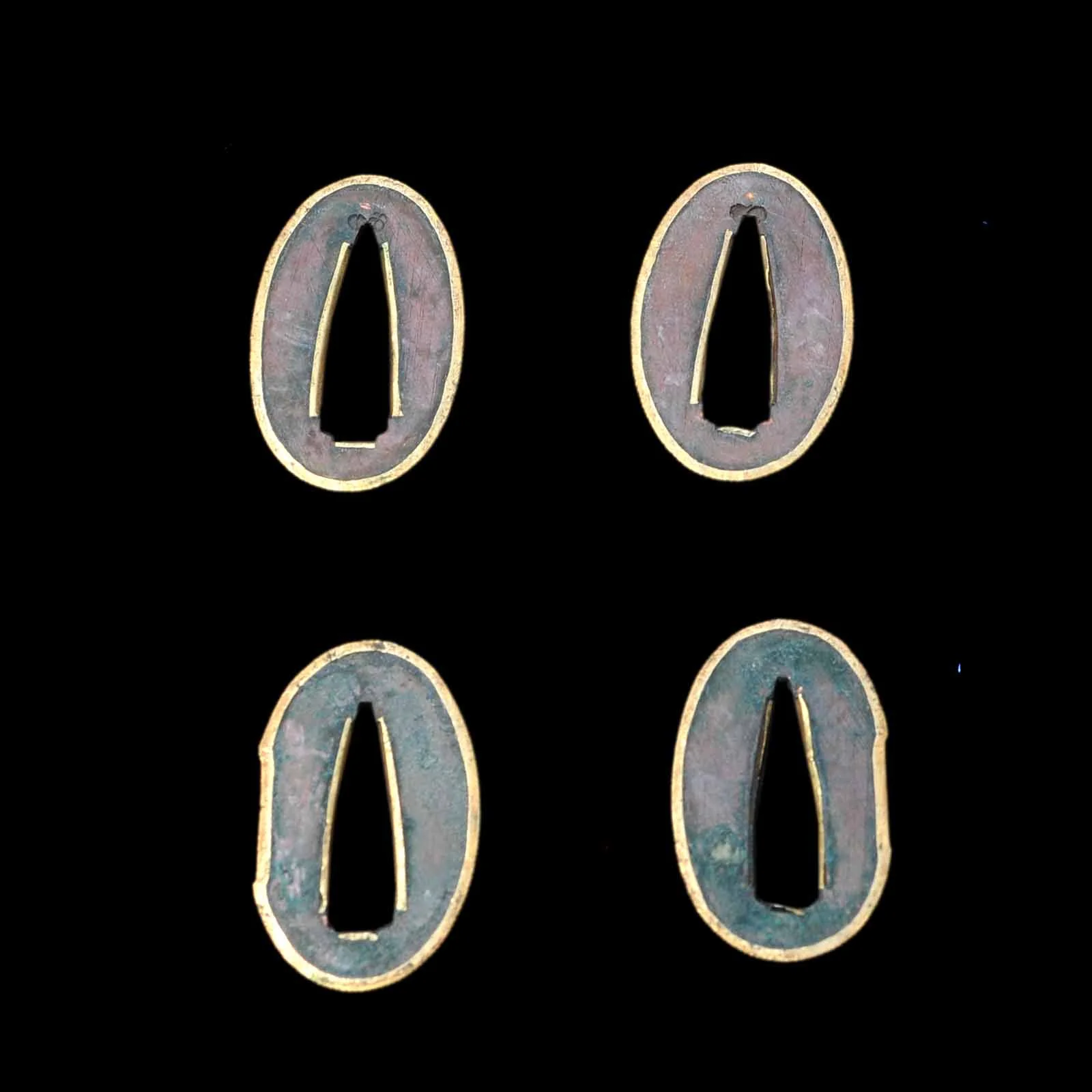
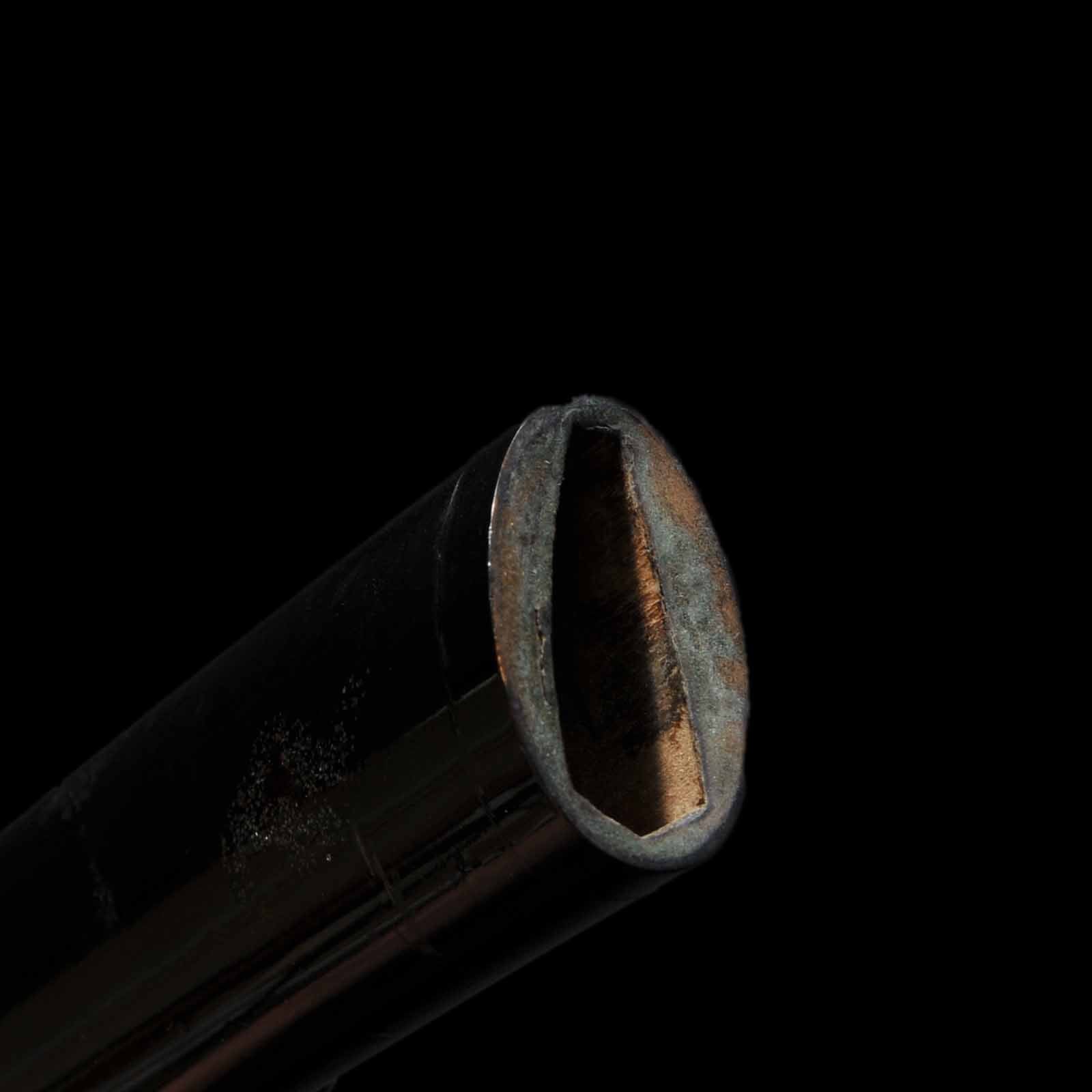
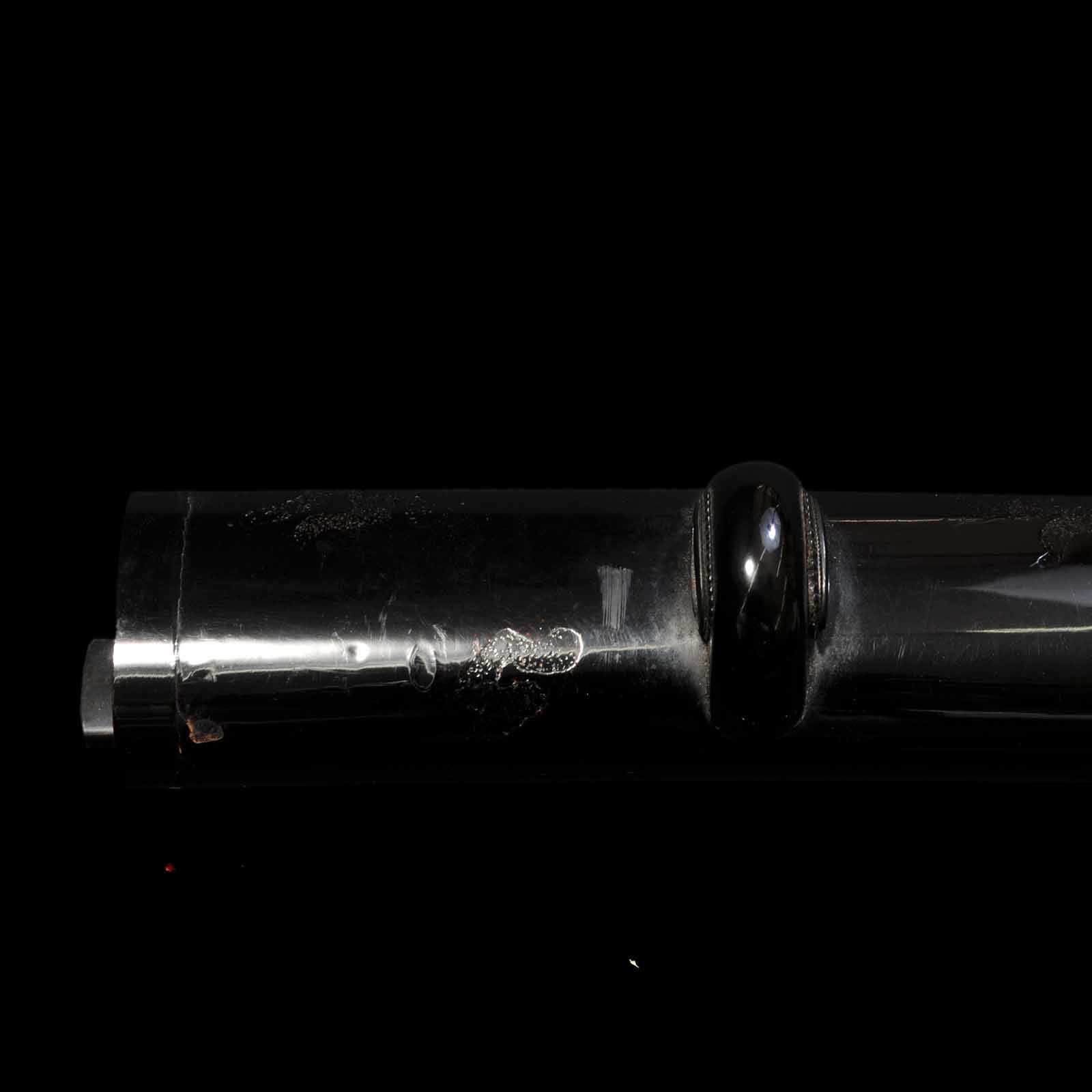
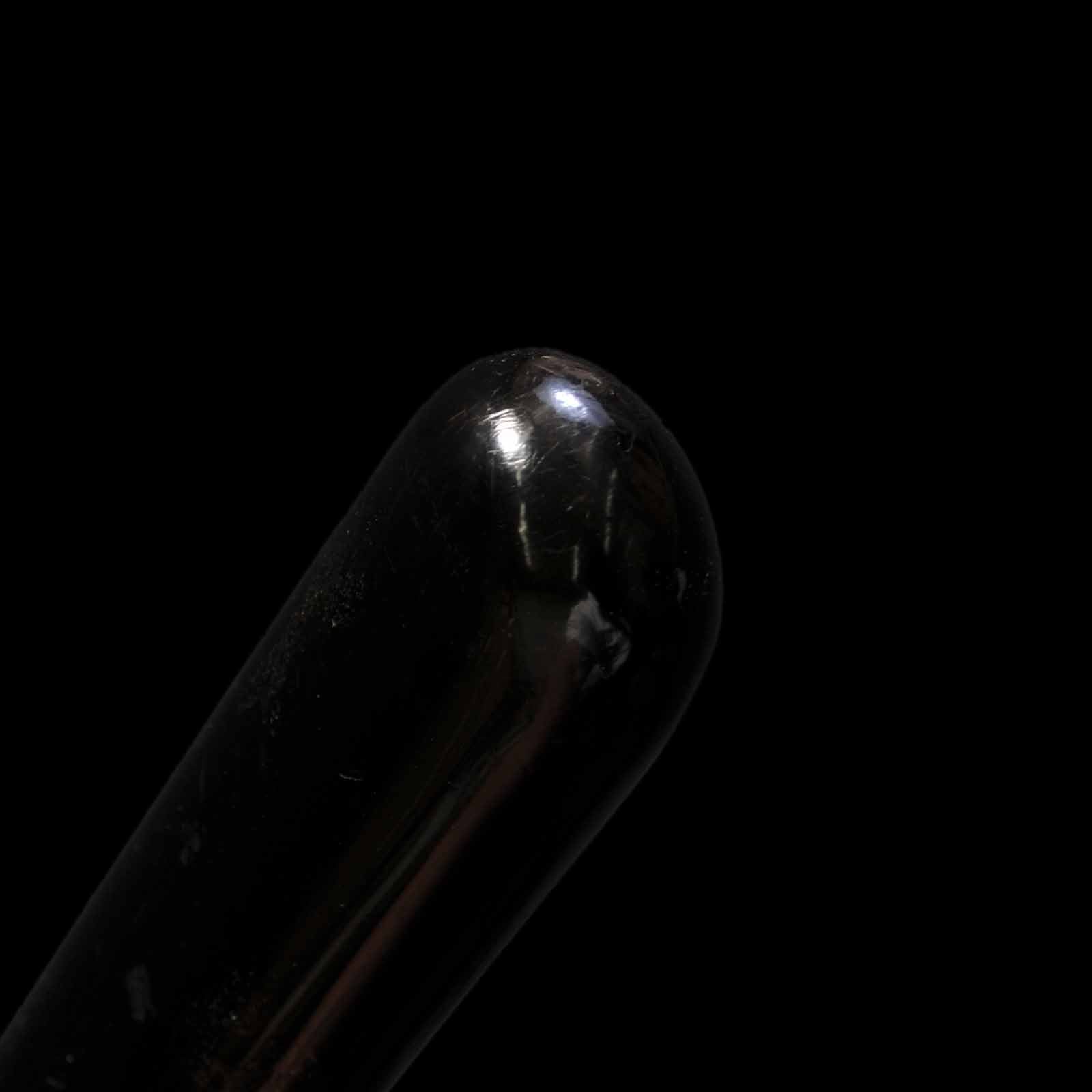
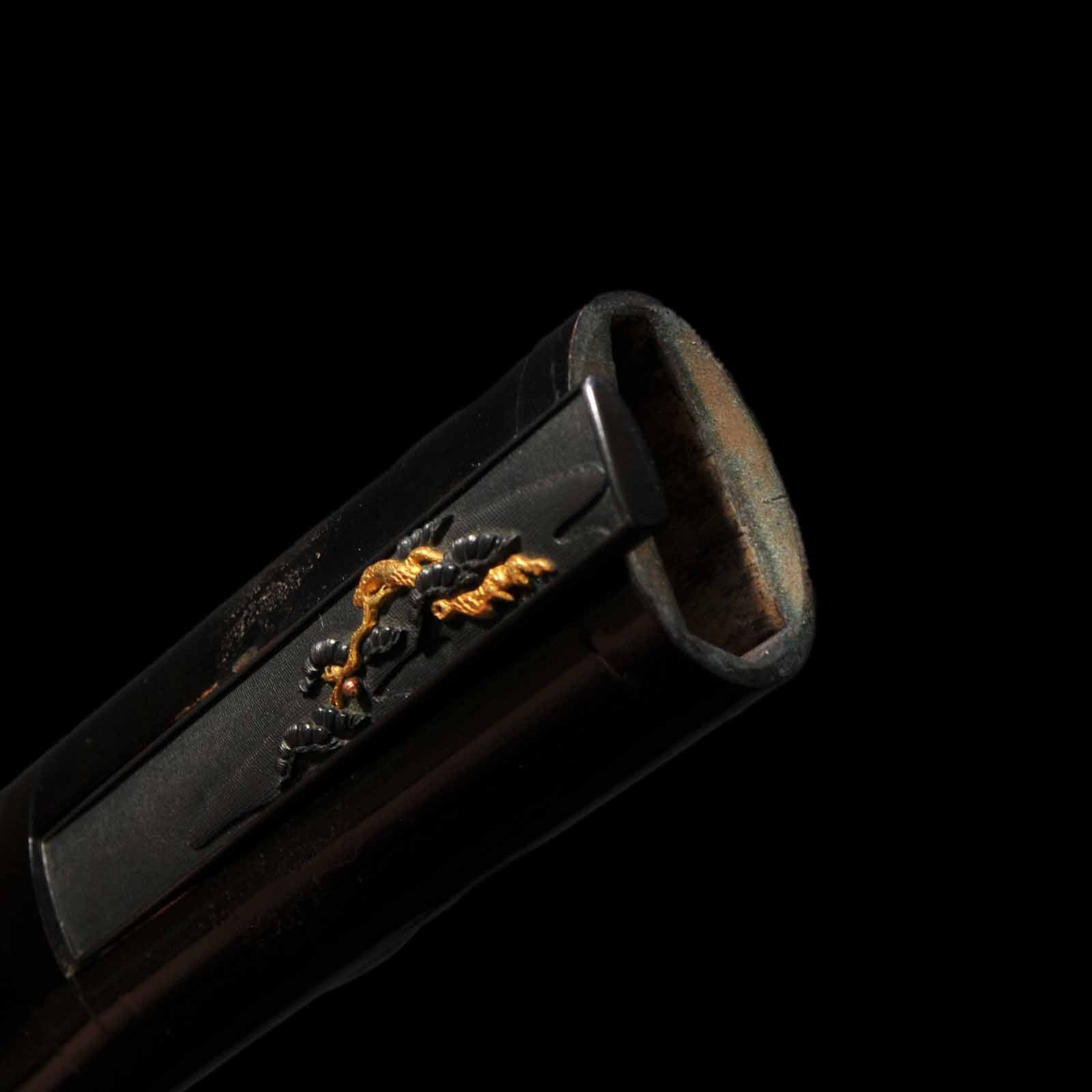
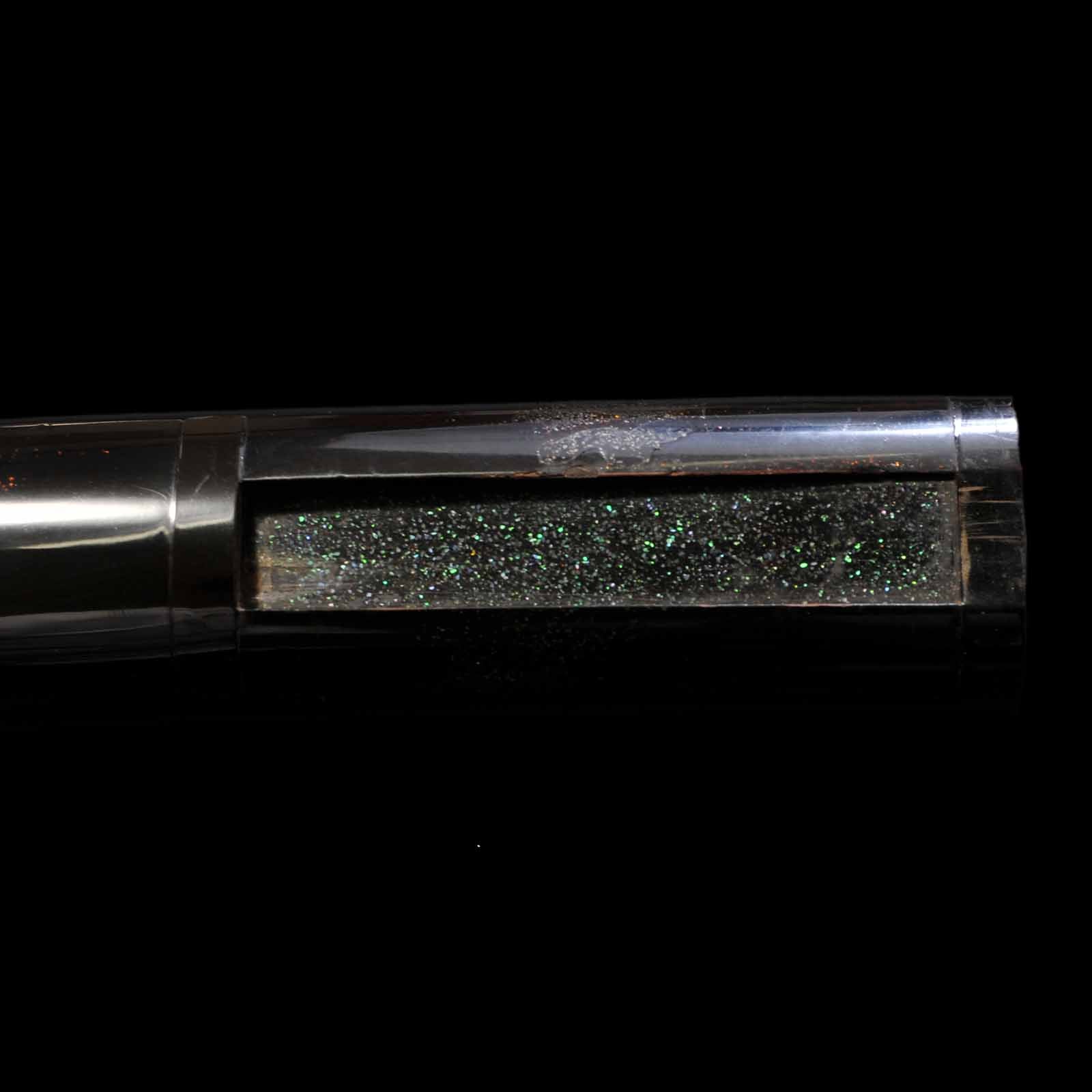
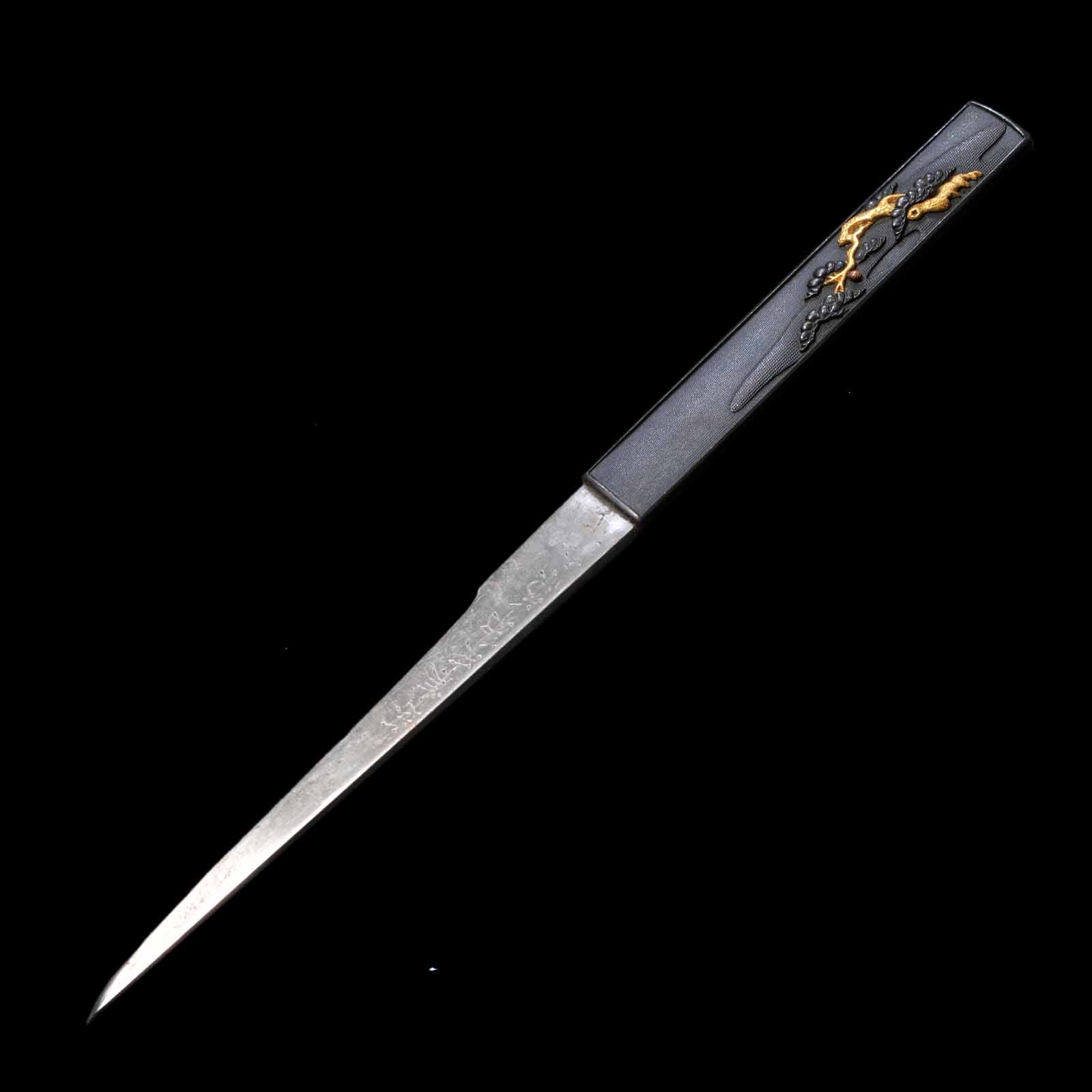
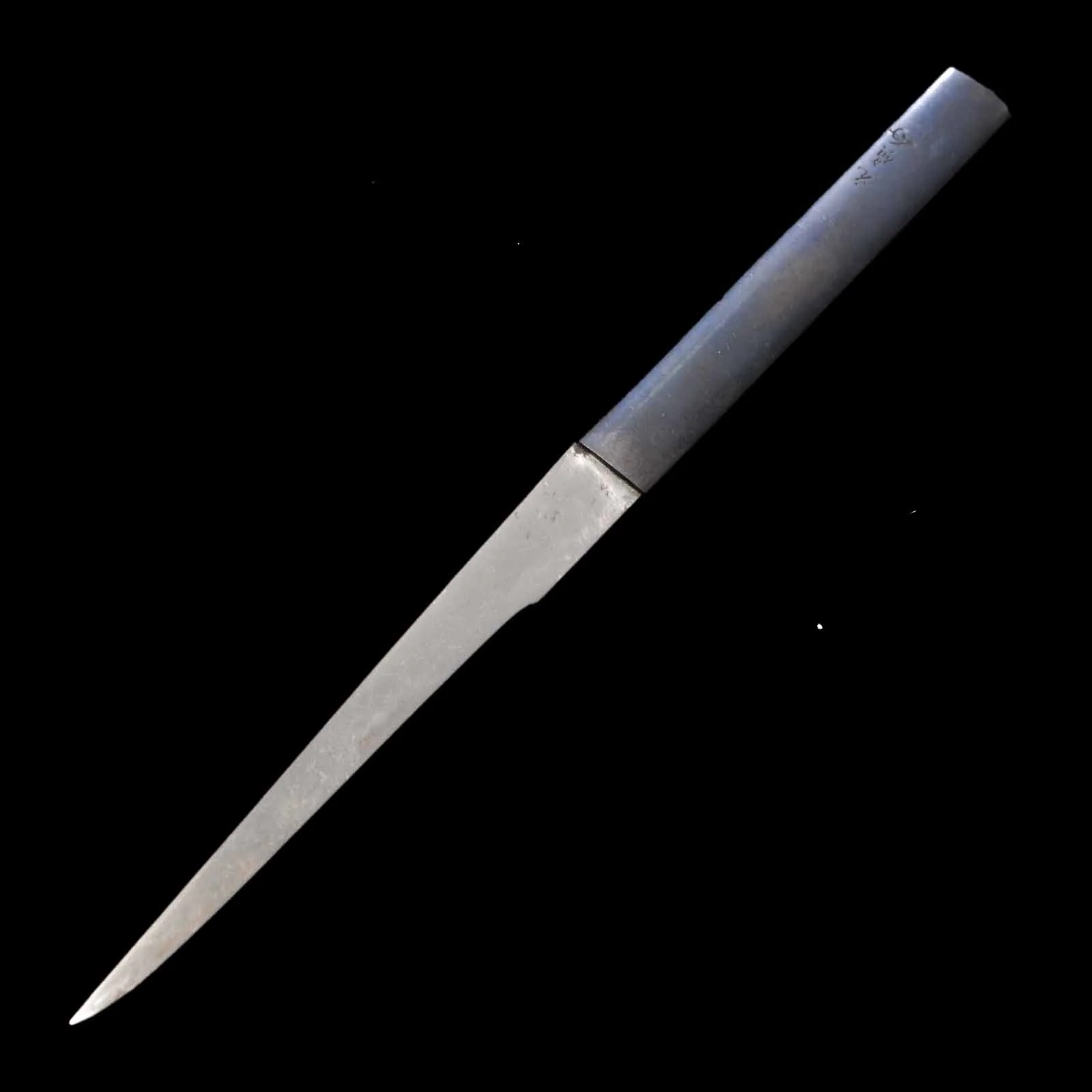
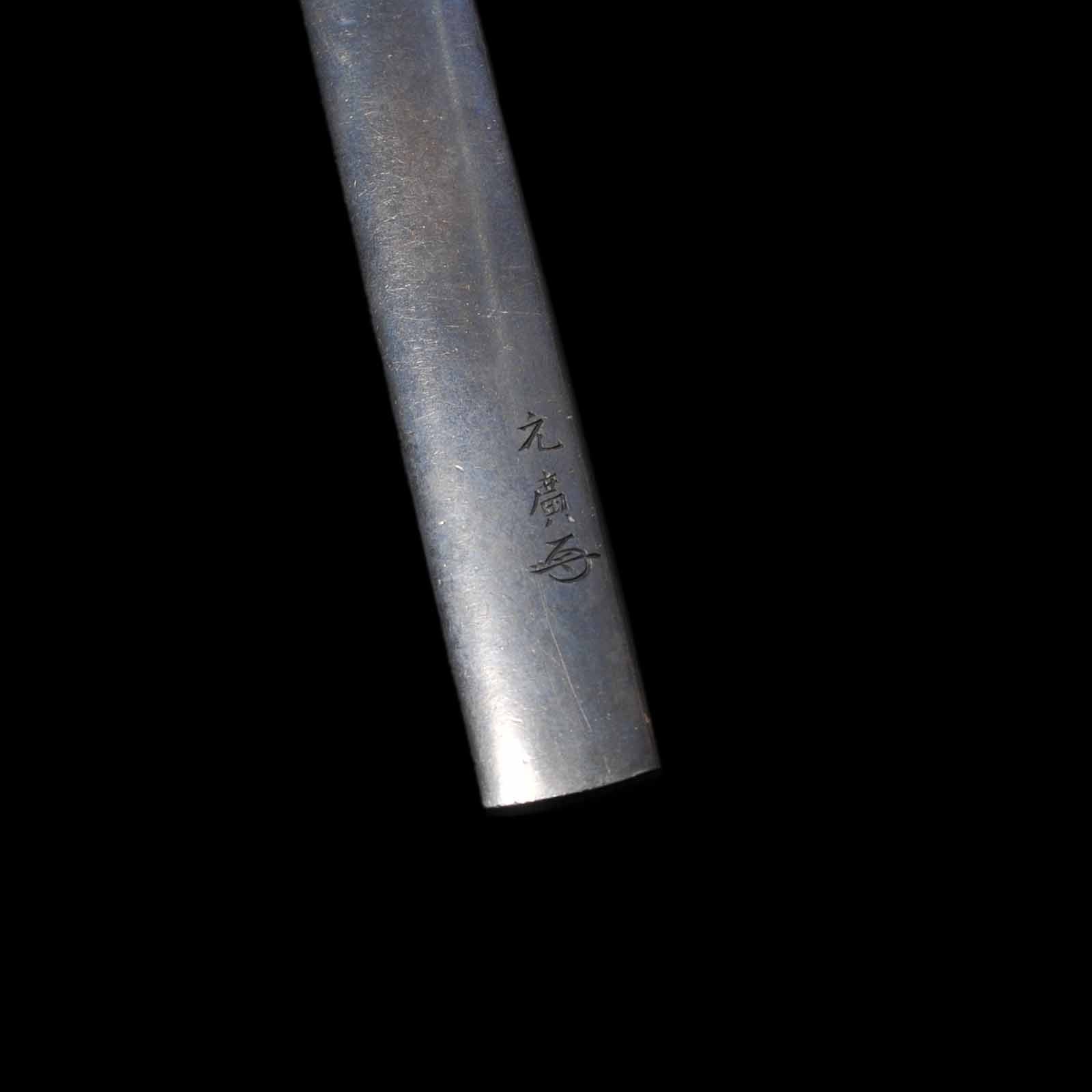
The koshirae are the same themed set for both katana and wakizashi, using the same fittings of the period. The wakizashi is also equipped with a kozuka. The tsuba is engraved with an inscription, and is the work of Masamitsu, an outstanding craftsman of the Suruga school in the Inaba region (present-day Tottori Prefecture) in the late Edo period. The tsuka-gashira is made of buffalo horn in the tensho style. Due to the passage of time, the tsukaito of the katana is frayed at the top of the tsuka-gashira. It is possible to rewrap the tsuka for an additional fee, so please contact us after purchase if you would like that option.
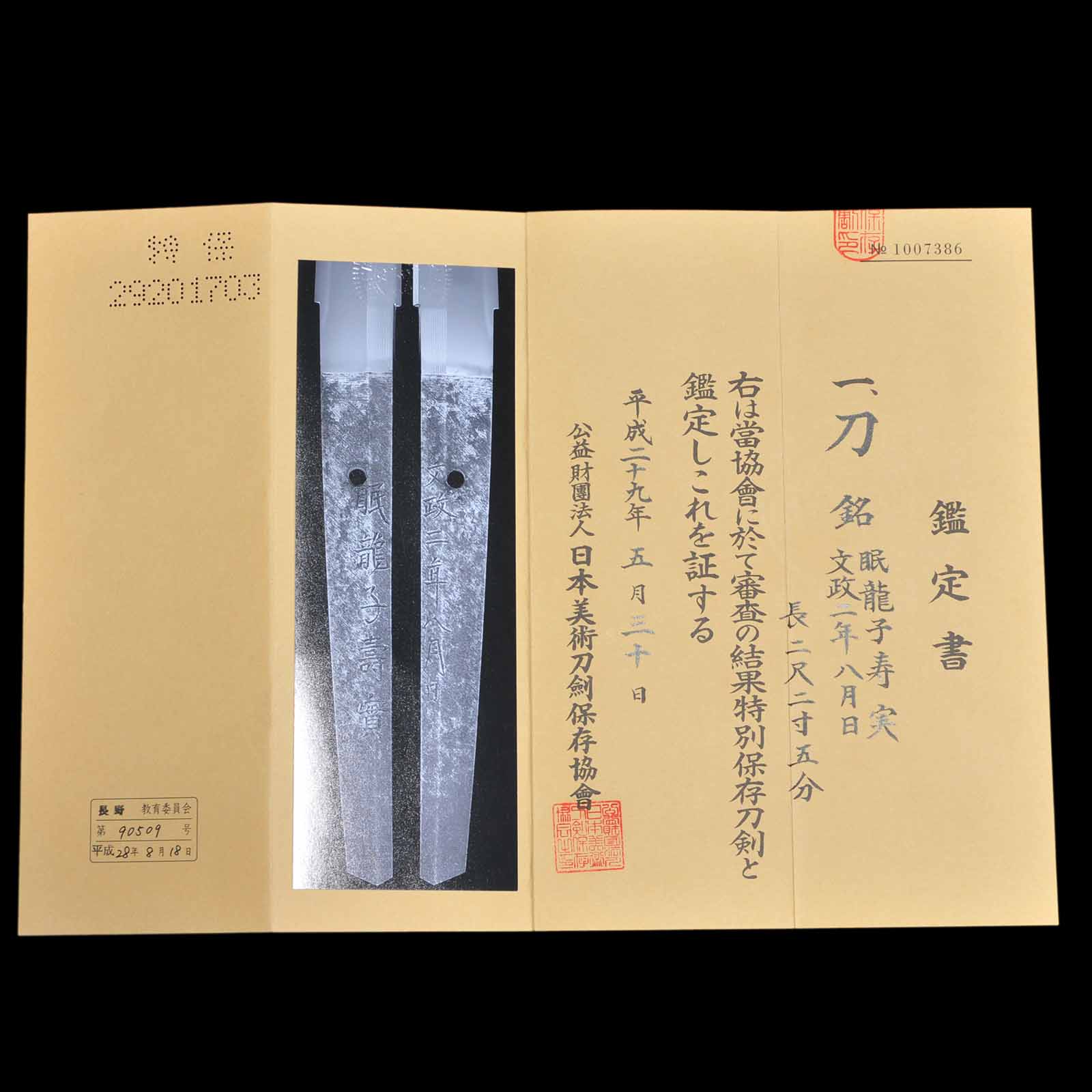
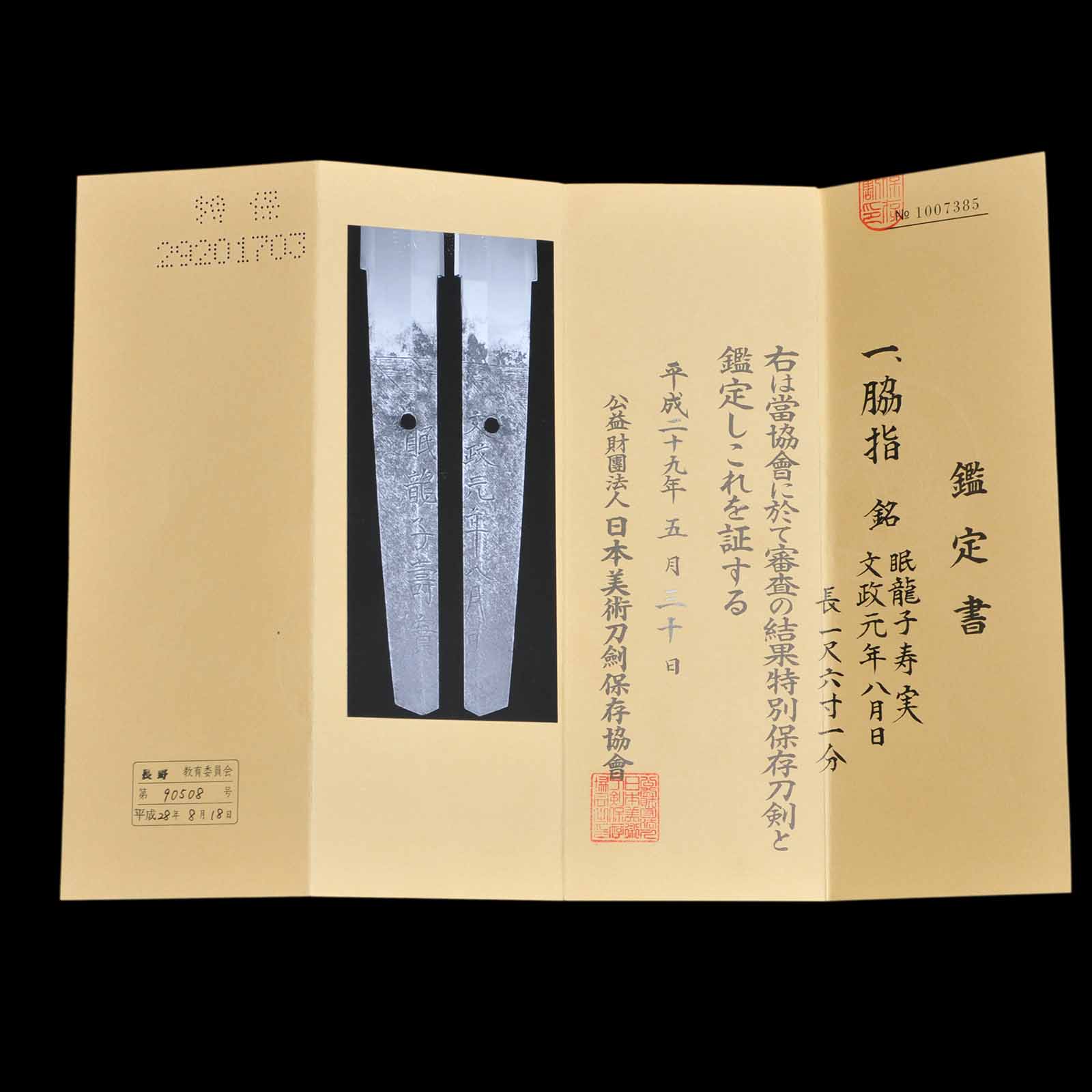
Due to the excellent state of preservation of both the katana and the wakizashi, the Society for Preservation of Japanese Art Swords has certified both the katana and the wakizashi as Tokubetsu Kicho and issued a certificate of authenticity for them as works of exceptional value to be preserved for future generations.
This is excellent news for anyone who wants a set with excellent preservation, high antique value, and a daisho for both the katana and wakizashi. You must act now before others decide to purchase.
- Blade length: 68.2 cm(Katana)/48.8 cm(Wakizashi)
- Curvature: 1.3 cm(Katana)/0.8 cm(Wakizashi)
- Number of Mekugi hole: 1(Katana)/1(Wakizashi)
- Sakihaba: 19.3 mm(Katana)/21.6 mm(Wakizashi)
- Sakikasane: 4.1 mm(Katana)/4.4 mm(Wakizashi)
- Motohaba: 30.6 mm(Katana)/30.6 mm(Wakizashi)
- Motokasane: 7.1 mm(Katana)/67 mm(Wakizashi)
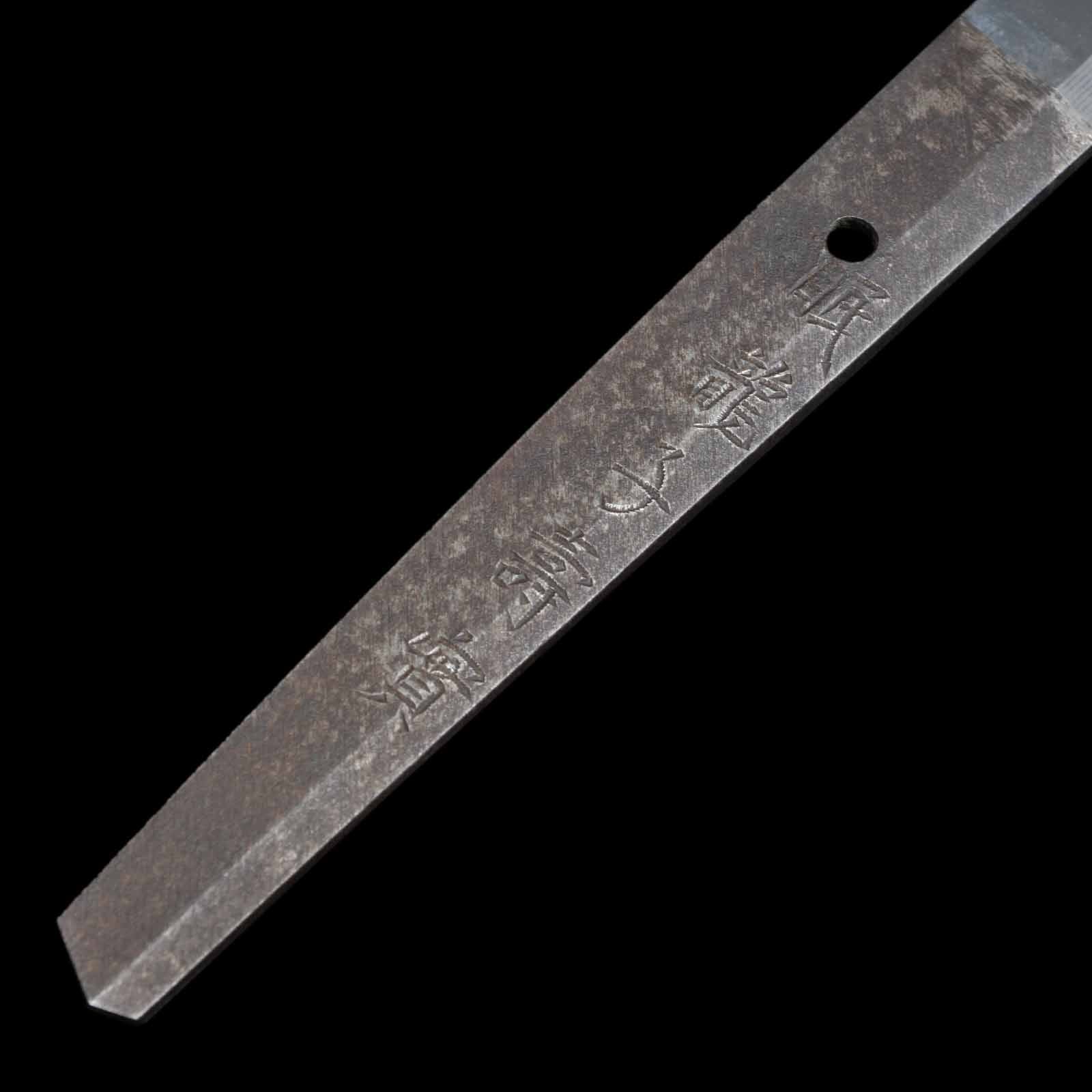
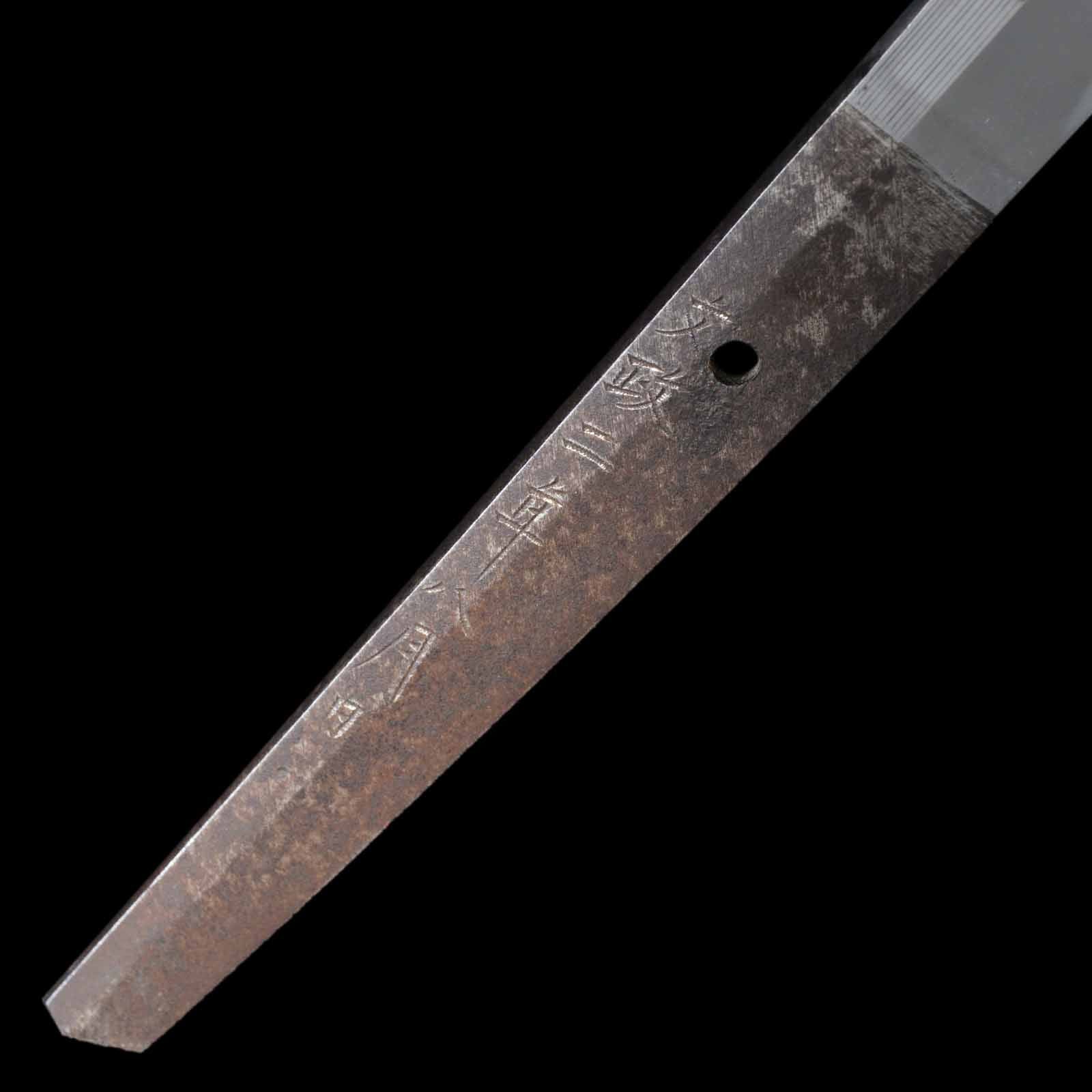
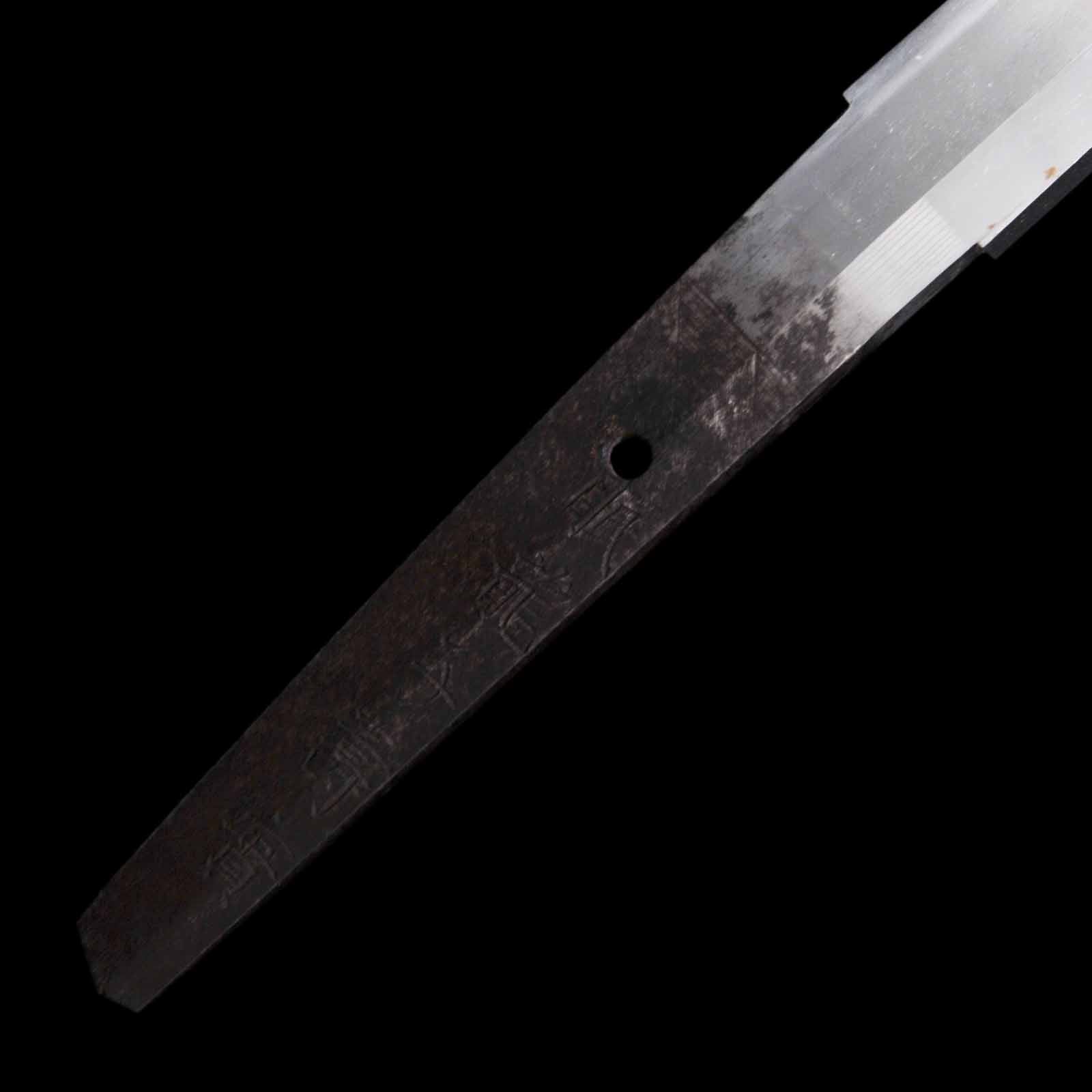
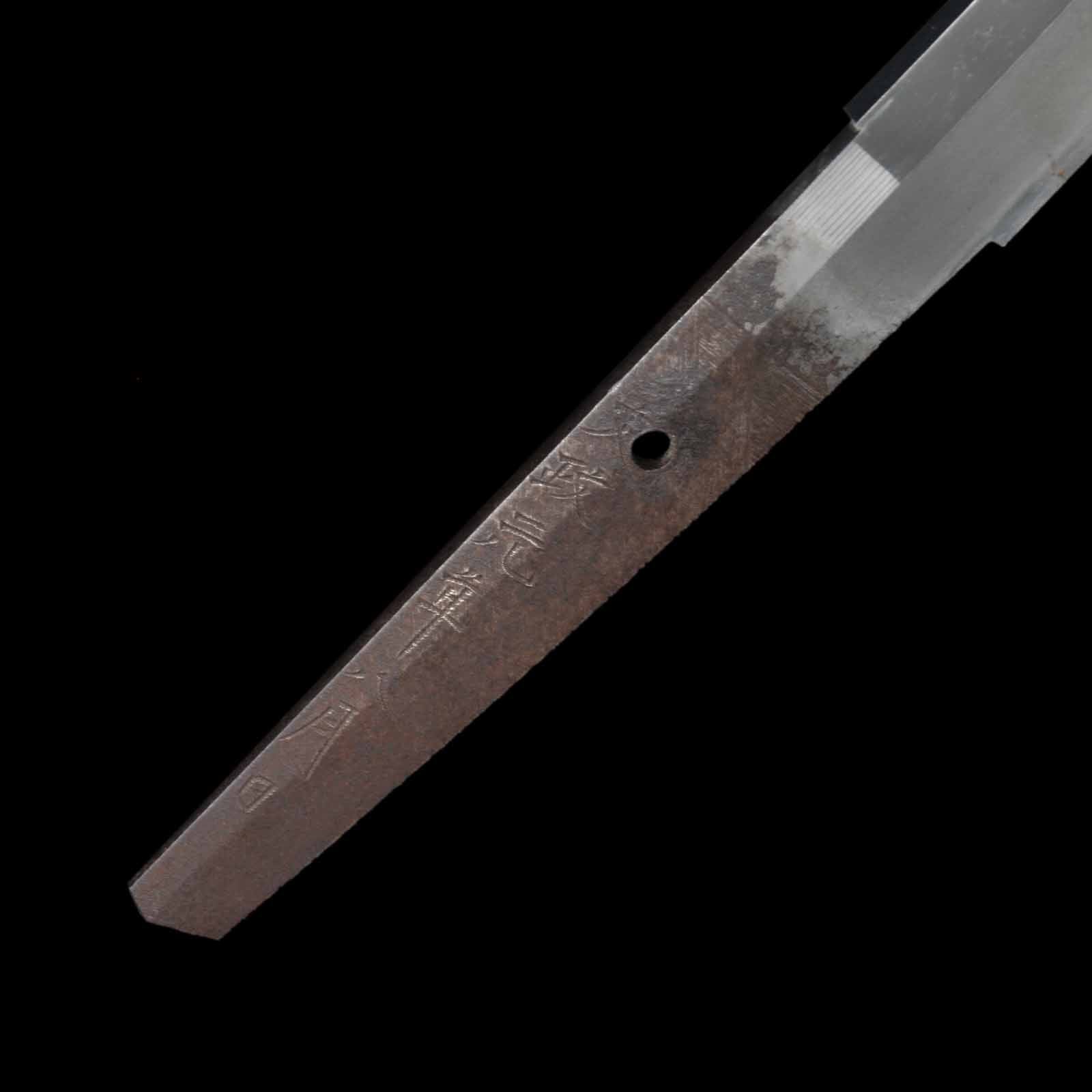
- Signature: Minryushi Toshizane(front)/Bunsei Gan'nen Hachigatu-bi(back)
- Era: Shinshinto
- Structure: Shinogi-zukuri, Iori-mune(Katana/Wakizashi)
- Jigane: Ko-Itame(Katana/Wakizashi)
- Hamon: Choji Midare(Katana/Wakizashi)
- Boshi: Nakamaru(Katana)/O-maru(Wakizashi
- Weight(Blade only): 700 g(Katana)/490 g(Wakizashi)
- Nakago: Ubu(Katana/Wakizashi)
- Original Registration No.: Nagano 90509(Katana)/Nagano 90508(Wakizashi)
Please contact us if the katana you are looking for is not listed here.
Product Information
Product Information
Shipping & Returns
Shipping & Returns
Katana/Wakizashi Daisho Set - Toshizane - NBTHK Tokubetsu Hozon Certificate - Uchigatana/Shirasaya Koshirae - Ubu Nakago - Shinshinto Era - Nagano 90508/90509
Katana/Wakizashi Daisho Set - Toshizane - NBTHK Tokubetsu Hozon Certificate - Uchigatana/Shirasaya Koshirae - Ubu Nakago - Shinshinto Era - Nagano 90508/90509
A gorgeous Daisho set by Minryushi Toshizane, a master swordsmith representing the late Edo period, including Uchigatana Koshirae, has arrived at TOZANDO. Minryushi Toshizane, whose real name was Hamabe Gihachiro, was born in 1777 in Inshu, in what is now eastern Tottori Prefecture. His father was Hamabe Toshinori, a swordsmith in the service of the Inaba clan and a famous master of the late Edo period. When he began making swords, his name was Toshikuni, but in 1797, when he was 20 years old, he changed his name to Toshizane, and four more years later, in 1801, he took the title Minryushi. With his father's inquisitive mind and excellent technique, he excelled in the very flamboyant hamon of choji, attracting a large number of students. The name of Minryushi's school, along with that of Suishinshi Masahide's school in Edo, has gained great fame and flourished. Among Minryushi's students was Kawamura Toshitaka, Minamoto Kiyomaro's master, and Toshizane's skills were passed on to Kiyomaro through Toshitaka.
This set of katana and wakizashi was made at the same time as a daisho, in August of 1818. Both the katana and wakizashi are in extremely well-preserved condition, with no flaws, chips, or rust of any kind. The hada is a well-packed ko-itame with well visible chikei. The katana's hamon is choji-midare with active visible ashinaga choji and nie in the ha. The hamon of Wakizashi is also choji-midare, but the ashi are longer, reminiscent of a saw. The boshi of the katana is nakamaru in shape, and the boshi of the wakizashi is slightly omaru-like.
The koshirae are the same themed set for both katana and wakizashi, using the same fittings of the period. The wakizashi is also equipped with a kozuka. The tsuba is engraved with an inscription, and is the work of Masamitsu, an outstanding craftsman of the Suruga school in the Inaba region (present-day Tottori Prefecture) in the late Edo period. The tsuka-gashira is made of buffalo horn in the tensho style. Due to the passage of time, the tsukaito of the katana is frayed at the top of the tsuka-gashira. It is possible to rewrap the tsuka for an additional fee, so please contact us after purchase if you would like that option.
Due to the excellent state of preservation of both the katana and the wakizashi, the Society for Preservation of Japanese Art Swords has certified both the katana and the wakizashi as Tokubetsu Kicho and issued a certificate of authenticity for them as works of exceptional value to be preserved for future generations.
This is excellent news for anyone who wants a set with excellent preservation, high antique value, and a daisho for both the katana and wakizashi. You must act now before others decide to purchase.
- Blade length: 68.2 cm(Katana)/48.8 cm(Wakizashi)
- Curvature: 1.3 cm(Katana)/0.8 cm(Wakizashi)
- Number of Mekugi hole: 1(Katana)/1(Wakizashi)
- Sakihaba: 19.3 mm(Katana)/21.6 mm(Wakizashi)
- Sakikasane: 4.1 mm(Katana)/4.4 mm(Wakizashi)
- Motohaba: 30.6 mm(Katana)/30.6 mm(Wakizashi)
- Motokasane: 7.1 mm(Katana)/67 mm(Wakizashi)
- Signature: Minryushi Toshizane(front)/Bunsei Gan'nen Hachigatu-bi(back)
- Era: Shinshinto
- Structure: Shinogi-zukuri, Iori-mune(Katana/Wakizashi)
- Jigane: Ko-Itame(Katana/Wakizashi)
- Hamon: Choji Midare(Katana/Wakizashi)
- Boshi: Nakamaru(Katana)/O-maru(Wakizashi
- Weight(Blade only): 700 g(Katana)/490 g(Wakizashi)
- Nakago: Ubu(Katana/Wakizashi)
- Original Registration No.: Nagano 90509(Katana)/Nagano 90508(Wakizashi)
Please contact us if the katana you are looking for is not listed here.
Product Information
Product Information
Shipping & Returns
Shipping & Returns
Description
A gorgeous Daisho set by Minryushi Toshizane, a master swordsmith representing the late Edo period, including Uchigatana Koshirae, has arrived at TOZANDO. Minryushi Toshizane, whose real name was Hamabe Gihachiro, was born in 1777 in Inshu, in what is now eastern Tottori Prefecture. His father was Hamabe Toshinori, a swordsmith in the service of the Inaba clan and a famous master of the late Edo period. When he began making swords, his name was Toshikuni, but in 1797, when he was 20 years old, he changed his name to Toshizane, and four more years later, in 1801, he took the title Minryushi. With his father's inquisitive mind and excellent technique, he excelled in the very flamboyant hamon of choji, attracting a large number of students. The name of Minryushi's school, along with that of Suishinshi Masahide's school in Edo, has gained great fame and flourished. Among Minryushi's students was Kawamura Toshitaka, Minamoto Kiyomaro's master, and Toshizane's skills were passed on to Kiyomaro through Toshitaka.
This set of katana and wakizashi was made at the same time as a daisho, in August of 1818. Both the katana and wakizashi are in extremely well-preserved condition, with no flaws, chips, or rust of any kind. The hada is a well-packed ko-itame with well visible chikei. The katana's hamon is choji-midare with active visible ashinaga choji and nie in the ha. The hamon of Wakizashi is also choji-midare, but the ashi are longer, reminiscent of a saw. The boshi of the katana is nakamaru in shape, and the boshi of the wakizashi is slightly omaru-like.
The koshirae are the same themed set for both katana and wakizashi, using the same fittings of the period. The wakizashi is also equipped with a kozuka. The tsuba is engraved with an inscription, and is the work of Masamitsu, an outstanding craftsman of the Suruga school in the Inaba region (present-day Tottori Prefecture) in the late Edo period. The tsuka-gashira is made of buffalo horn in the tensho style. Due to the passage of time, the tsukaito of the katana is frayed at the top of the tsuka-gashira. It is possible to rewrap the tsuka for an additional fee, so please contact us after purchase if you would like that option.
Due to the excellent state of preservation of both the katana and the wakizashi, the Society for Preservation of Japanese Art Swords has certified both the katana and the wakizashi as Tokubetsu Kicho and issued a certificate of authenticity for them as works of exceptional value to be preserved for future generations.
This is excellent news for anyone who wants a set with excellent preservation, high antique value, and a daisho for both the katana and wakizashi. You must act now before others decide to purchase.
- Blade length: 68.2 cm(Katana)/48.8 cm(Wakizashi)
- Curvature: 1.3 cm(Katana)/0.8 cm(Wakizashi)
- Number of Mekugi hole: 1(Katana)/1(Wakizashi)
- Sakihaba: 19.3 mm(Katana)/21.6 mm(Wakizashi)
- Sakikasane: 4.1 mm(Katana)/4.4 mm(Wakizashi)
- Motohaba: 30.6 mm(Katana)/30.6 mm(Wakizashi)
- Motokasane: 7.1 mm(Katana)/67 mm(Wakizashi)
- Signature: Minryushi Toshizane(front)/Bunsei Gan'nen Hachigatu-bi(back)
- Era: Shinshinto
- Structure: Shinogi-zukuri, Iori-mune(Katana/Wakizashi)
- Jigane: Ko-Itame(Katana/Wakizashi)
- Hamon: Choji Midare(Katana/Wakizashi)
- Boshi: Nakamaru(Katana)/O-maru(Wakizashi
- Weight(Blade only): 700 g(Katana)/490 g(Wakizashi)
- Nakago: Ubu(Katana/Wakizashi)
- Original Registration No.: Nagano 90509(Katana)/Nagano 90508(Wakizashi)
Please contact us if the katana you are looking for is not listed here.


